


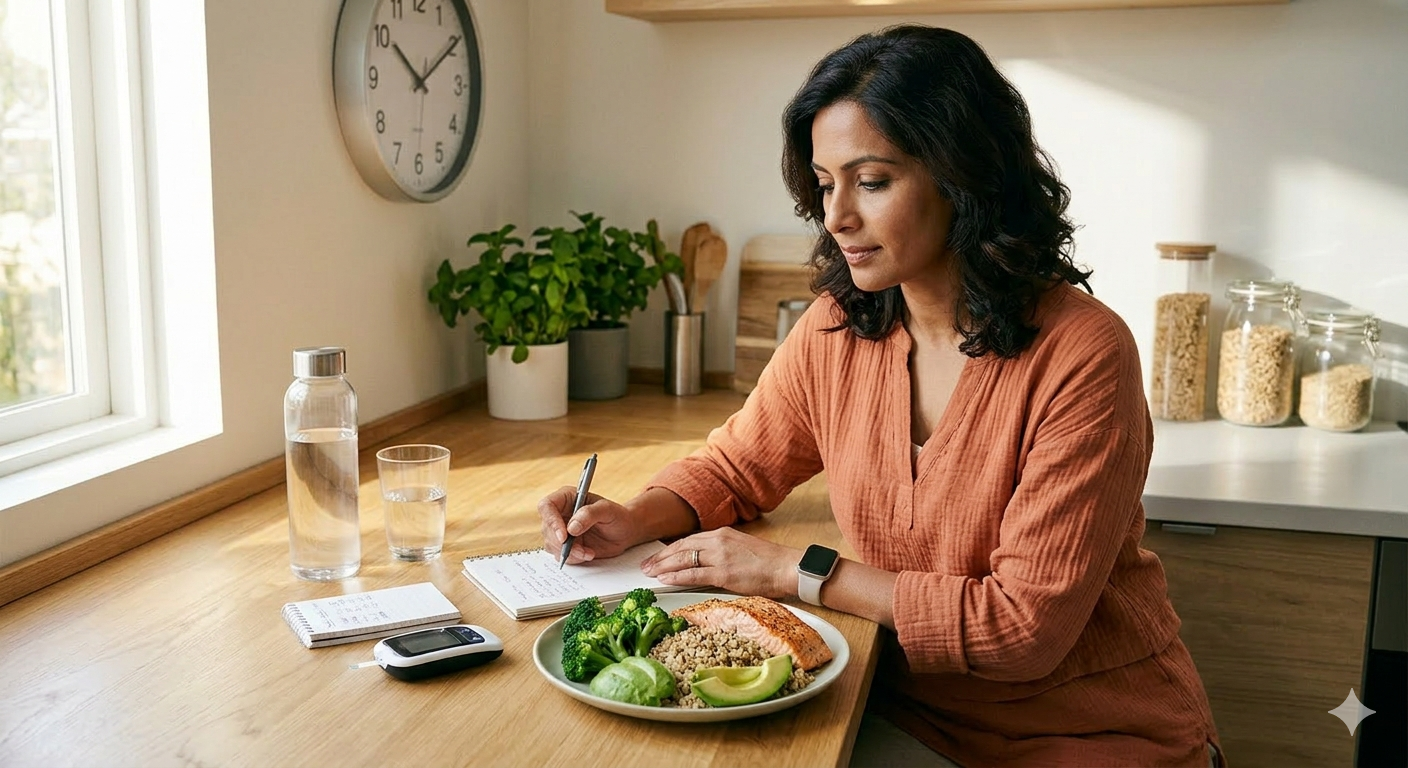
Pre-diabetes is one of the biggest warning signs your body can give before developing Type 2 diabetes. It happens when blood sugar levels become higher than normal, but not high enough to be classified as diabetes. Many people ignore this stage because symptoms are often mild or completely unnoticed. However, early intervention can make a huge difference. The encouraging news is that pre-diabetes can often be reversed naturally through proper diet, regular physical activity, stress management, and sustainable lifestyle changes.
The foundation of reversing pre-diabetes begins with improving insulin sensitivity. Insulin is the hormone responsible for moving glucose from the bloodstream into cells for energy. In pre-diabetes, the body becomes resistant to insulin, causing sugar to remain in the blood. Dietary changes play the most important role in correcting this issue naturally. Eating whole foods such as vegetables, legumes, whole grains, fruits, nuts, and lean proteins helps stabilize blood sugar levels and reduce sudden spikes. Fiber-rich foods are especially beneficial because they slow glucose absorption and improve digestion.
One of the most common misconceptions about pre-diabetes is that people must completely stop eating rice or roti. In reality, the goal is balance rather than elimination. Portion control, meal timing, and proper food combinations matter more than strict restrictions. Pairing carbohydrates with protein and fiber helps reduce rapid glucose fluctuations. Replacing refined foods such as white bread, sugary beverages, sweets, and processed snacks with healthier alternatives can dramatically improve metabolic health.
Physical activity is another powerful tool for reversing pre-diabetes naturally. Exercise helps muscles use glucose more efficiently and improves insulin sensitivity even after a single session. Brisk walking, cycling, swimming, yoga, and strength training are all effective forms of activity. Experts generally recommend at least 150 minutes of moderate exercise per week combined with resistance training. Even small changes like taking stairs, walking after meals, or stretching during work hours can positively impact blood sugar control.
Weight management also plays an important role. Excess abdominal fat is closely linked with insulin resistance and inflammation. Losing even 5–7% of body weight can significantly lower the risk of progression to diabetes. However, sustainable weight loss is more effective than crash dieting. Slow and consistent progress creates long-term improvements in metabolism and hormone balance. Recent discussions around pre-diabetes reversal have also emphasized that improving metabolic health and fat distribution may be more important than focusing only on the weighing scale.
Stress and sleep are often overlooked factors in blood sugar management. Chronic stress raises cortisol levels, which can increase blood sugar and worsen insulin resistance. Poor sleep also affects appetite hormones and metabolism, leading to cravings and fatigue. Practices such as meditation, yoga, deep breathing, and maintaining a consistent sleep schedule can support overall metabolic health. Getting 7–8 hours of quality sleep each night is essential for improving insulin sensitivity and reducing inflammation.
Pre-diabetes does not have to become diabetes. Early detection, consistent healthy habits, and proper nutritional guidance can help many individuals return their blood sugar levels to the normal range. Instead of viewing it as a lifelong condition, it should be treated as an opportunity to improve overall health and prevent future complications naturally.
10 Most Asked Questions About Prediabetes and Natural Reversal
1. Can pre-diabetes really be reversed naturally?
Yes, pre-diabetes can often be reversed naturally if detected early and managed properly. At this stage, the body is still producing insulin, but cells are not responding efficiently. This condition is known as insulin resistance. By making targeted lifestyle changes, many individuals are able to bring blood sugar levels back to the normal range without long-term medication.
The most important factor in reversing pre-diabetes is improving diet quality. Consuming whole foods rich in fiber, protein, and healthy fats helps stabilize glucose levels and reduce insulin resistance. Regular physical activity further improves the body’s ability to use glucose efficiently. Research from diabetes prevention programs has shown that lifestyle modifications can significantly reduce the risk of progression to Type 2 diabetes.
Weight management, stress reduction, and quality sleep also contribute to better metabolic health. Even modest weight loss can improve insulin sensitivity dramatically. Consistency is more important than perfection. Sustainable habits followed daily are more effective than strict diets followed temporarily.
Natural reversal does not mean ignoring medical advice. Regular monitoring of HbA1c and blood sugar levels is important throughout the process. With the right approach, many people successfully reverse pre-diabetes within a few months and reduce their long-term risk of diabetes-related complications.
2. What foods should I eat to reverse pre-diabetes naturally?
The best foods for reversing pre-diabetes are those that help stabilize blood sugar levels and improve insulin sensitivity. Whole foods should form the foundation of the diet. Vegetables, whole grains, legumes, nuts, seeds, lean proteins, and healthy fats provide steady energy without causing sudden glucose spikes.
Fiber-rich foods are especially important because they slow digestion and glucose absorption. Foods like oats, lentils, beans, leafy vegetables, and whole grains help maintain stable blood sugar levels throughout the day. Healthy fats from nuts, seeds, olive oil, and avocados also help improve satiety and reduce cravings.
Protein plays a major role in blood sugar control as well. Including eggs, fish, chicken, tofu, paneer, or dals in meals helps prevent sharp sugar fluctuations. Balanced meals containing carbohydrates, protein, and fiber are more effective than eliminating carbohydrates completely.
At the same time, processed foods, sugary drinks, sweets, refined flour products, and deep-fried foods should be reduced significantly. These foods increase insulin resistance and contribute to weight gain.
A sustainable and culturally suitable meal plan works best. Indian foods like dal, roti, vegetables, curd, sprouts, and millet-based meals can all support pre-diabetes reversal when eaten in proper portions and combinations.
3. How long does it take to reverse pre-diabetes naturally?
The time required to reverse pre-diabetes naturally varies from person to person, but many individuals begin seeing measurable improvements within 3 to 6 months of consistent lifestyle changes. The exact timeline depends on several factors including current HbA1c levels, body weight, eating habits, physical activity, stress levels, and overall metabolic health.
Initially, people often notice improvements in energy levels, reduced cravings, and better digestion within a few weeks. As insulin sensitivity improves, fasting blood sugar and HbA1c levels gradually begin to decrease. Weight reduction, especially around the abdominal area, can accelerate the reversal process.
The key is consistency rather than extreme dieting. Sustainable eating habits and regular exercise create long-term metabolic improvements. Studies referenced by diabetes prevention programs show that moderate lifestyle changes can significantly lower diabetes risk.
It is important to monitor progress regularly through blood sugar tests and medical consultations. Some individuals may require more time depending on genetic factors or existing health conditions. However, with discipline and proper guidance, many people are able to bring their blood sugar levels back to the normal range naturally and prevent progression to diabetes.
4. Do I need to stop eating rice and roti completely?
No, most people with pre-diabetes do not need to stop eating rice and roti completely. This is one of the most common myths surrounding blood sugar management. Carbohydrates are not the enemy; the problem usually lies in portion size, refined foods, inactivity, and overall dietary imbalance.
Instead of eliminating rice or roti entirely, focus should be placed on portion control and meal composition. Pairing carbohydrates with protein, vegetables, and healthy fats slows glucose absorption and reduces sugar spikes. Whole wheat roti, millets, brown rice, or portion-controlled white rice can all fit into a balanced pre-diabetes diet.
Meal timing is equally important. Eating large portions of carbohydrates late at night or consuming refined foods frequently can worsen insulin resistance. On the other hand, balanced meals eaten at regular intervals help stabilize blood sugar levels.
Completely removing staple foods often makes diets difficult to sustain. Long-term success comes from creating realistic and manageable eating habits. Indian home-cooked meals can still be enjoyed while reversing pre-diabetes naturally.
The goal is moderation, not restriction. A personalized meal plan that matches your lifestyle and metabolism is far more effective than following extreme diet trends.
5. Can walking help reverse pre-diabetes?
Yes, walking is one of the simplest and most effective exercises for reversing pre-diabetes naturally. Physical activity helps muscles use glucose more efficiently, reducing blood sugar levels and improving insulin sensitivity.
Brisk walking after meals is particularly beneficial because it helps prevent post-meal glucose spikes. Even 20–30 minutes of walking daily can improve metabolic health significantly over time. Consistent movement also supports weight loss, reduces abdominal fat, improves circulation, and lowers stress levels.
Unlike intense workout programs that may be difficult to maintain, walking is sustainable for most age groups and fitness levels. It can easily become part of daily life through small habits like taking stairs, walking during phone calls, or going for evening walks.
Experts generally recommend at least 150 minutes of moderate-intensity exercise per week. Walking combined with strength training can provide even better results because muscle tissue helps burn glucose more effectively.
The most important thing is consistency. A simple routine followed regularly is more powerful than extreme workouts done occasionally. Walking may seem basic, but it plays a major role in improving blood sugar control and supporting natural pre-diabetes reversal.
6. What are the early symptoms of pre-diabetes?
Pre-diabetes often develops silently, which is why many people remain unaware of it for years. However, the body may still show early warning signs that should not be ignored. Common symptoms include persistent fatigue, increased hunger, sugar cravings, unexplained weight gain, and feeling sleepy after meals.
Some individuals notice darkened skin patches around the neck or underarms, a condition linked with insulin resistance called acanthosis nigricans. Frequent thirst, mild blurry vision, and slow healing may also occur in certain cases.
The challenge is that symptoms are often subtle and gradual. Many people discover pre-diabetes only during routine blood tests. This is why regular screening becomes important, especially for individuals with family history of diabetes, obesity, sedentary lifestyles, or high stress levels.
Early detection is extremely valuable because this stage is still reversible. Making dietary changes and improving lifestyle habits early can prevent progression to Type 2 diabetes.
Ignoring these symptoms allows insulin resistance to worsen over time. Paying attention to the body’s signals and seeking medical evaluation early can help protect long-term health naturally.