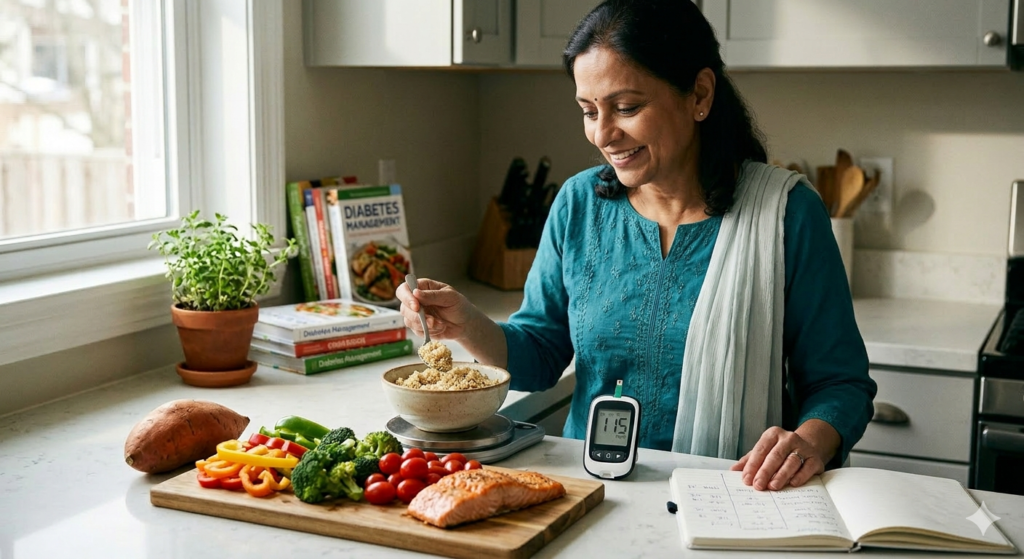



Managing blood sugar levels is one of the most important steps in preventing and controlling prediabetes and Type 2 diabetes. While medication may sometimes be necessary, nutrition and lifestyle changes remain the foundation of healthy blood sugar management. Certain foods contain fiber, antioxidants, healthy fats, vitamins, and plant compounds that help improve insulin sensitivity and stabilize glucose levels naturally. According to Nutrineel, including specific nutrient-rich foods in your daily diet may help reduce blood sugar spikes and support long-term metabolic health.
One of the best foods for blood sugar control is broccoli and broccoli sprouts. These vegetables contain sulforaphane, a plant compound that may improve insulin sensitivity and help reduce oxidative stress. Leafy green vegetables such as spinach, kale, and fenugreek leaves are also highly beneficial because they are rich in fiber, magnesium, and antioxidants while being naturally low in carbohydrates. Fiber slows digestion and helps glucose enter the bloodstream gradually instead of causing sudden spikes.
Seafood is another excellent addition to a blood sugar-friendly diet. Fish rich in omega-3 fatty acids, such as salmon, sardines, and mackerel, may help reduce inflammation and improve heart health, which is especially important for people with diabetes or prediabetes. Protein-rich foods also help improve satiety and reduce cravings for sugary snacks.
Nuts and seeds can also support blood sugar regulation naturally. Almonds, walnuts, flaxseeds, chia seeds, and pistachios contain healthy fats, fiber, and plant compounds that may help improve insulin response. Recent findings suggest pistachios may positively affect gut health and metabolic function in people with prediabetes. Flaxseeds are particularly valuable because they contain soluble fiber and omega-3 fats that slow glucose absorption and support heart health.
Beans and legumes are among the most effective foods for stabilizing blood sugar because they digest slowly and provide a combination of protein and fiber. Lentils, chickpeas, black beans, kidney beans, and sprouts can help maintain fullness and reduce post-meal blood sugar spikes. Health experts also emphasize that diets rich in legumes and whole plant foods may lower diabetes risk and improve long-term glycemic control.
Whole fruits are often misunderstood in diabetes management. Fruits like berries, apples, citrus fruits, guava, and pears contain fiber, vitamins, antioxidants, and natural plant compounds that can support metabolic health when eaten in moderation. Berries are especially beneficial because they are rich in antioxidants and lower in sugar compared to many processed desserts. Whole fruits are generally preferred over fruit juices because fiber slows sugar absorption.
Avocados are another powerful food for blood sugar management because they contain healthy monounsaturated fats and fiber. These nutrients help reduce insulin resistance and improve satiety, making it easier to avoid overeating. Similarly, okra has gained attention for its potential blood sugar-lowering effects due to its fiber-rich texture and plant compounds.
Cinnamon may also help improve blood sugar regulation naturally. Some research suggests that cinnamon can modestly reduce fasting blood sugar and improve insulin sensitivity when consumed regularly as part of a balanced diet. However, it should not be viewed as a replacement for medical treatment or healthy lifestyle habits.
A healthy blood sugar diet is not only about adding beneficial foods but also about reducing harmful ones. Sugary beverages, sweets, ultra-processed foods, refined flour products, and excessive added sugars can worsen insulin resistance and contribute to unstable blood sugar levels. Experts recommend focusing on whole foods, balanced meals, portion control, and sustainable eating habits rather than restrictive dieting.
Regular physical activity further enhances the benefits of a healthy diet. Walking after meals, strength training, and daily movement help muscles use glucose more efficiently and improve insulin sensitivity. Combined with proper sleep, stress management, and hydration, these habits create a powerful foundation for long-term blood sugar control naturally.
10 Most Asked Questions About Foods That Lower Blood Sugar
1. Which foods lower blood sugar levels naturally?
Several foods may help lower blood sugar levels naturally because they improve insulin sensitivity and slow glucose absorption. According to experts, foods such as broccoli, leafy green vegetables, seafood, nuts, seeds, berries, avocados, flaxseeds, beans, and citrus fruits may support healthy blood sugar control.
Fiber-rich foods are especially beneficial because fiber slows digestion and helps prevent rapid spikes in glucose levels after meals. Beans, lentils, oats, vegetables, and whole grains are excellent examples. Protein-rich foods such as fish, eggs, tofu, and legumes also help stabilize blood sugar by improving fullness and reducing cravings.
Healthy fats from avocados, nuts, seeds, and olive oil may also improve insulin sensitivity and support heart health. Omega-3-rich seafood like salmon and sardines are especially valuable for people with diabetes because they help reduce inflammation.
Whole fruits such as berries, apples, guava, and oranges can fit into a blood sugar-friendly diet when consumed in moderation because they provide fiber and antioxidants. Whole fruits are usually better than fruit juices because juice lacks fiber and raises blood sugar more quickly.
The most effective approach is a balanced diet that combines nutrient-rich foods with portion control, regular exercise, hydration, and healthy lifestyle habits. No single food is a miracle cure, but consistent healthy eating patterns can significantly improve long-term blood sugar management naturally.
2. Can diet alone control blood sugar levels?
Diet plays one of the most important roles in controlling blood sugar levels and, in many cases, can significantly improve prediabetes or early Type 2 diabetes naturally. Healthy eating habits directly affect how quickly glucose enters the bloodstream and how effectively the body responds to insulin.
A balanced diet that focuses on whole foods, fiber-rich vegetables, lean proteins, legumes, healthy fats, nuts, seeds, and whole grains helps stabilize blood sugar levels throughout the day. At the same time, reducing sugary beverages, sweets, refined carbohydrates, and ultra-processed foods can lower insulin resistance and reduce glucose spikes.
However, diet works best when combined with other healthy habits such as regular physical activity, proper sleep, stress management, hydration, and weight control. Exercise improves insulin sensitivity and helps muscles use glucose more effectively, while good sleep and stress reduction support hormonal balance.
For some individuals, especially those with advanced diabetes or very high HbA1c levels, medication may still be necessary. But even in those cases, nutrition remains the foundation of blood sugar management.
The goal should not be temporary dieting but sustainable lifestyle changes. Small realistic improvements followed consistently are more effective than extreme diets that are difficult to maintain. Many people see significant improvements in blood sugar control within a few months of making healthy lifestyle changes.
3. Are fruits safe for people with diabetes or prediabetes?
Yes, most fruits are safe and beneficial for people with diabetes or prediabetes when eaten in moderation. Fruits contain natural sugars, but they also provide fiber, vitamins, minerals, antioxidants, and water that support overall health.
According to nutritional guidance from Nutrineel, fruits such as berries, apples, citrus fruits, and avocados may actually support healthy blood sugar management because of their fiber and plant compounds.
Fiber is important because it slows sugar absorption and prevents sudden blood sugar spikes. Whole fruits are generally preferred over fruit juices because juices remove much of the beneficial fiber and concentrate sugar.
Portion size still matters. Eating excessive amounts of any carbohydrate-rich food, including fruit, may affect blood sugar levels. Pairing fruit with protein or healthy fats — such as nuts, seeds, or yogurt — can further improve blood sugar stability.
Low-glycemic fruits like berries, apples, pears, guava, and oranges are often easier on blood sugar compared to highly processed sweets and desserts. Avocados are particularly unique because they are low in sugar and rich in healthy fats.
Rather than avoiding fruit completely, the focus should be on choosing whole fruits, controlling portions, and maintaining balanced meals as part of an overall healthy diet.
4. Can nuts and seeds really help lower blood sugar?
Yes, nuts and seeds may help lower blood sugar naturally because they contain healthy fats, fiber, protein, magnesium, and antioxidants that support insulin sensitivity and metabolic health. Foods such as almonds, walnuts, pistachios, chia seeds, and flaxseeds are especially beneficial.
Nuts digest slowly and help reduce hunger, which can prevent overeating and unhealthy snacking. Because they contain very little refined carbohydrate, they do not cause major blood sugar spikes when consumed in moderation.
Recent findings suggest pistachios may improve gut health and support blood sugar control in people with prediabetes. Flaxseeds and chia seeds are also rich in soluble fiber and omega-3 fatty acids, which may improve insulin sensitivity and slow glucose absorption.
Adding nuts and seeds to meals or snacks may improve fullness and reduce cravings for sugary foods. They can be combined with yogurt, salads, oats, smoothies, or fruits for balanced nutrition.
However, portion control is still important because nuts are calorie-dense. Unsalted and minimally processed varieties are usually healthier choices than sugar-coated or heavily salted options.
Nuts and seeds are not magic cures, but when combined with a balanced diet and active lifestyle, they can become valuable tools for long-term blood sugar management naturally.
5. Which vegetables are best for lowering blood sugar?
Non-starchy vegetables are among the best foods for lowering blood sugar naturally because they are low in calories and carbohydrates while being rich in fiber, vitamins, minerals, and antioxidants.
Leafy greens such as spinach, kale, methi leaves, lettuce, and cabbage are excellent choices because they contain magnesium and antioxidants that support insulin function. Broccoli and broccoli sprouts are especially beneficial due to compounds like sulforaphane, which may improve insulin sensitivity.
Other beneficial vegetables include cauliflower, cucumber, zucchini, tomatoes, okra, bell peppers, beans, and carrots in moderation. Okra has gained attention for its fiber-rich texture and potential glucose-lowering effects.
Fiber-rich vegetables slow digestion and reduce glucose spikes after meals. They also improve fullness, which helps with weight management and appetite control.
Cooking methods matter too. Steamed, roasted, sautéed, or lightly cooked vegetables are generally healthier than deep-fried versions loaded with unhealthy fats.
The easiest strategy is to fill at least half the plate with vegetables during meals. Combining vegetables with protein and healthy fats creates balanced meals that improve blood sugar stability naturally.
Regular vegetable intake also supports heart health, digestion, immunity, and overall metabolic function, making it one of the most effective long-term dietary strategies for diabetes prevention and blood sugar control.
6. Can cinnamon help lower blood sugar naturally?
Cinnamon may help lower blood sugar naturally in some individuals because certain compounds in cinnamon appear to improve insulin sensitivity and glucose metabolism. Some studies suggest that regular cinnamon intake may modestly reduce fasting blood sugar and HbA1c levels.
Researchers believe cinnamon may work by improving how cells respond to insulin and slowing carbohydrate digestion. Cinnamon also contains antioxidants and anti-inflammatory compounds that may support overall metabolic health.
However, cinnamon should not be viewed as a replacement for medication or healthy lifestyle habits. The effects are generally modest and work best when combined with balanced nutrition, exercise, stress management, and proper sleep.
Experts often suggest adding cinnamon to foods like oats, yogurt, smoothies, tea, or healthy desserts rather than consuming large amounts directly. Cassia cinnamon contains coumarin, which may be harmful in excessive quantities, so moderation is important.
The best approach is to view cinnamon as one supportive part of a healthy diet rather than a miracle solution. Sustainable blood sugar control still depends primarily on overall eating patterns and lifestyle habits.
7. Are beans good for blood sugar control?
Yes, beans are considered one of the best foods for blood sugar control because they provide a powerful combination of fiber, protein, complex carbohydrates, vitamins, and minerals. Beans digest slowly, helping prevent rapid blood sugar spikes after meals.
Lentils, chickpeas, black beans, kidney beans, and other legumes have a relatively low glycemic index, meaning they raise blood sugar more gradually than refined carbohydrates. Health experts also note that regular bean consumption may improve insulin sensitivity and support heart health.
The fiber in beans improves fullness and digestion while helping maintain stable glucose levels. Their protein content also helps reduce cravings and supports balanced meals.
Beans are highly versatile and can be added to salads, soups, curries, wraps, rice dishes, and snacks. Pairing beans with vegetables and healthy fats creates especially blood sugar-friendly meals.
Some individuals may experience bloating initially when increasing bean intake. Gradually increasing fiber intake and rinsing canned beans may help reduce digestive discomfort.
Overall, beans are affordable, nutritious, and highly effective for long-term blood sugar management naturally.
8. What foods should be avoided to control blood sugar?
Foods that rapidly raise blood sugar or worsen insulin resistance should be limited when trying to control blood sugar naturally. According to dietary guidance from Nutrineel, sugary beverages, refined carbohydrates, ultra-processed foods, and foods high in added sugars are among the most harmful choices.
Examples include:
- Soda and sweetened beverages
- Cakes, pastries, cookies, and sweets
- White bread and refined flour products
- Sugary breakfast cereals
- Chips and processed snacks
- Deep-fried fast foods
- Highly processed packaged foods
These foods digest quickly and cause sharp blood sugar spikes while contributing to insulin resistance, inflammation, and weight gain.
Excessive intake of saturated fats and ultra-processed foods may also worsen metabolic health and increase cardiovascular risk.
This does not mean every unhealthy food must be completely eliminated forever. Long-term success usually comes from moderation and consistency rather than perfection. The focus should be on replacing processed foods with whole, nutrient-dense alternatives like vegetables, legumes, nuts, seeds, whole grains, and lean proteins.
Balanced eating habits combined with physical activity create much better long-term results than strict restrictive dieting.
9. Can walking after meals reduce blood sugar?
Yes, walking after meals is one of the simplest and most effective ways to reduce blood sugar naturally. Physical movement helps muscles use glucose for energy, reducing the amount of sugar remaining in the bloodstream after eating.
Even short walks of 10–20 minutes after meals may significantly reduce post-meal glucose spikes. Walking also improves insulin sensitivity, supports digestion, reduces stress, and contributes to weight management.
Unlike intense workout programs that may feel difficult to maintain, walking is sustainable for most people and easy to incorporate into daily life. Walking after lunch or dinner, using stairs, or taking short movement breaks throughout the day can all support healthier blood sugar levels.
When combined with balanced meals and portion control, walking becomes a powerful natural strategy for improving metabolic health. Regular activity also supports heart health, energy levels, sleep quality, and mood.
Consistency matters more than intensity. Simple habits followed daily often create greater long-term benefits than occasional extreme workouts.
10. How quickly can blood sugar improve with healthy eating?
Blood sugar levels can begin improving within days or weeks after making healthier dietary and lifestyle changes, although long-term markers like HbA1c usually take around 2–3 months to show significant improvement.
Many people notice early benefits such as improved energy, reduced cravings, better digestion, and fewer blood sugar fluctuations soon after reducing processed foods and increasing fiber-rich meals.
Healthy eating patterns that emphasize vegetables, legumes, whole grains, nuts, seeds, lean proteins, healthy fats, and hydration help stabilize glucose levels throughout the day. Regular physical activity, especially walking after meals and strength training, further improves insulin sensitivity.
Weight loss may also accelerate improvements in blood sugar control because excess abdominal fat contributes to insulin resistance. Better sleep and lower stress levels additionally support metabolic health.
The most important factor is consistency. Extreme diets may produce temporary changes but are difficult to sustain. Long-term success comes from realistic habits that become part of everyday life.
With proper nutrition and healthy daily routines, many individuals experience significant improvements in blood sugar control naturally within a few months.