

Pre-Diabetes Management
Natural way to Reverse Pre-Diabetes — Act before it becomes Diabetes
Rising blood sugar levels is not good.
Pre-diabetes is not considered as a disease — it’s a WARNING.
However, with administered diet plan and guided lifestyle changes, it can be REVERSED.
At NutriNeel, we build your Diet plan and assist in reducing your blood sugar levels. We offer personalized Indian spcific diet plans instead of strict dieting. Its a disciplined approach but surely better than lifelong medicines.
✔ No starvation diets
✔ No giving up roti or rice
✔ No confusion — just a clear plan
👉So, either Take control of your health today, or get dependent on medicines later
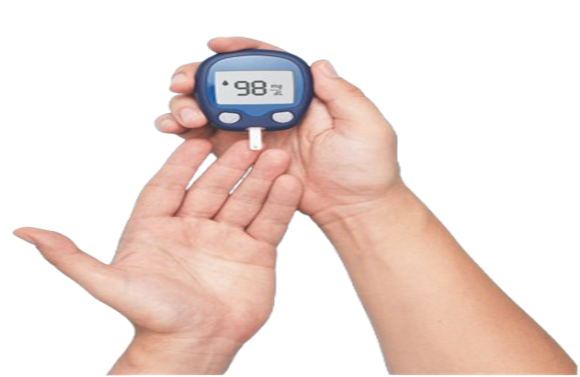
PROBLEM SECTION: WHAT IS PRE-DIABETES?
Pre-diabetes is a condition where your blood sugar levels are higher than normal but not yet in the diabetes range.
Diagnostic Ranges:
Fasting Blood Sugar: 100–125 mg/dL
HbA1c: 5.7% – 6.4%
This stage is critical because:
👉Your body is already developing insulin resistance
👉Your metabolism is slowing down
👉Your risk of diabetes is increasing every day
The biggest mistake?
Most people ignore it because symptoms are mild or invisible.
EARLY WARNING SIGNS YOU SHOULD NOT IGNORE
You may already be pre-diabetic if you experience:
- Constant fatigue or low energy
- Frequent sugar cravings
- Belly fat that won’t reduce
- Feeling sleepy after meals
- Dark patches around neck (insulin resistance sign)
- Sudden weight gain
⚠️ Pre-diabetes is often called a “silent condition” — but your body gives signals.
Pre-Diabetes Management – How NUTRINEEL helps you reverse Pre-diabetes
At NutriNeel, for Pre-diabetes management, we focus on root-cause correction, not temporary fixes.
We design a customized nutrition strategy based on your:
-
Eating habits
-
Lifestyle
-
Medical reports
-
Daily routine
✔ WHAT YOU GET IN THE PRE-DIABETES MANGEMENT PROGRAM
- Personalized Diet Plan
No generic charts. Your plan is tailored to your body and lifestyle.
- Indian Home-Food Approach
Eat normal food — roti, sabzi, dal — in the right way.
- Weekly Monitoring & Adjustments
Your plan evolves based on your progress.
- Blood Report Analysis
We track HbA1c, sugar levels, and metabolic markers.
- Habit Correction System
Fix sleep, meal timing, and cravings — the real root causes.
- Direct WhatsApp Support
Get quick answers and ongoing guidance.
RESULTS YOU CAN EXPECT
With consistent guidance, you can achieve:
-
Reduced HbA1c levels
-
Stable blood sugar readings
-
Weight loss and fat reduction
-
Better energy and focus
-
Reduced cravings
-
Improved metabolic health
WHO IS THIS PROGRAM FOR?
This program is ideal for:
-
Individuals with HbA1c between 5.7–6.4
-
People with family history of diabetes
-
Overweight individuals or belly fat
-
Sedentary professionals
-
People with insulin resistance or PCOS
👉 If you act early, you can avoid diabetes completely.
Frequently asked questions about Prediabetes Management through Natural food and Dieting
1. Can pre-diabetes be reversed naturally through diet?
Yes, with Prediabetes Management Program, pre-diabetes can often be reversed naturally through the right dietary and lifestyle changes, especially when detected early. At this stage, your body is still producing insulin but is not using it efficiently — a condition known as insulin resistance. The good news is that this process is reversible. In our Prediabetes Management program, by adopting a balanced diet that focuses on whole foods, controlled carbohydrate intake, and proper meal timing, you can significantly improve your body’s ability to regulate blood sugar.
A natural pre-diabetes diet typically includes fiber-rich foods like vegetables, whole grains, and legumes, along with adequate protein and healthy fats. These help slow down glucose absorption and prevent sudden spikes in blood sugar. Avoiding processed foods, sugary beverages, and refined carbohydrates is equally important, as these worsen insulin resistance.
Consistency plays a key role. In our Prediabetes Management Program, when you follow a structured and personalized diet plan, your blood sugar levels begin to stabilize within weeks, and over time, your HbA1c levels can return to the normal range. Many individuals are able to reverse pre-diabetes within 3 to 6 months without medication.
The key is early action. With the right guidance and commitment, reversing pre-diabetes naturally is not only possible but also sustainable for long-term health.
2. What is the best diet plan for pre-diabetes management in India?
The best diet plan for pre-diabetes management in India is one that is balanced, practical, and based on regular home-cooked meals rather than restrictive or foreign food patterns. Indian diets already include many nutritious elements like dal, vegetables, roti, and rice — the key is to structure them correctly to control blood sugar levels.
A well-designed pre-diabetes management diet focuses on balancing carbohydrates with protein and fiber. Instead of eliminating rice or roti, portion control and food combinations are emphasized. For example, pairing roti with dal, vegetables, and a source of protein helps slow down glucose absorption and prevents spikes.
Including foods like whole grains, green vegetables, sprouts, nuts, seeds, and low glycemic index fruits is highly beneficial. At the same time, reducing intake of refined flour (maida), sugar, fried foods, and packaged snacks is essential. Meal timing is another crucial factor — eating at consistent intervals helps maintain stable blood sugar levels.
Hydration, mindful eating, and avoiding long gaps between meals also play an important role. The best diet is not about strict restrictions but about sustainable habits that fit your lifestyle.
A personalized Indian diet plan tailored to your body type, routine, and health condition is the most effective way to reverse pre-diabetes naturally.
3. How long does it take to reverse pre-diabetes with diet oriented Prediabetes Management Program?
In our Prediabetes Management Program, reversing pre-diabetes through diet is a gradual but achievable process, and the timeline typically ranges between 3 to 6 months. However, the exact duration depends on several factors such as your current blood sugar levels, body weight, lifestyle habits, and consistency in following the diet plan.
When you begin making dietary changes, the first improvements are usually seen in daily energy levels and reduced sugar cravings within a few weeks. As your body starts responding better to insulin, blood sugar fluctuations become more stable. Over time, this leads to measurable improvements in fasting glucose levels and HbA1c.
In our Prediabetes management program, we suggest a structured diet that includes balanced meals, controlled carbohydrate intake, and high fiber content plays a critical role in speeding up this process. Additionally, maintaining regular meal timings and avoiding processed foods further enhances results.
Consistency is the most important factor. Even the best diet will not work if followed inconsistently. Small, sustainable changes followed daily are far more effective than extreme diets followed for a short period.
With proper guidance and commitment, many individuals successfully bring their HbA1c back to normal levels within a few months, effectively reversing pre-diabetes and reducing their risk of developing diabetes in the future.
4. If I opt for Prediabetes Management Program, do I need to completely stop eating rice and roti in pre-diabetes?
No, with our Prediabetes Management program, you do not need to completely stop eating rice and roti if you have pre-diabetes. This is one of the biggest misconceptions that often leads people to follow unsustainable and restrictive diets. The goal is not elimination but proper prediabetes management.
Rice and roti are sources of carbohydrates, which directly impact blood sugar levels. However, when consumed in controlled portions and combined with the right foods, they can be part of a healthy pre-diabetes diet. For example, pairing roti with dal, vegetables, and protein helps slow down the absorption of glucose and prevents sudden spikes.
Choosing better alternatives also helps. Switching to whole grains & millets instead of refined flour and opting for brown rice or portion-controlled white rice can make a difference. The timing of meals and portion size are equally important factors.
Completely removing staple foods often leads to cravings and poor adherence to the diet. In our Prediabetes Management Program, we suggest a sustainable approach focuses on balance, not restriction. By learning how to structure your meals correctly, you can continue enjoying your regular Indian diet while still improving your blood sugar levels.
The key is moderation, combination, and consistency — not complete avoidance.
5. Which foods should be avoided in pre-diabetes?
In pre-diabetes, certain foods can worsen insulin resistance and cause rapid spikes in blood sugar levels, making it important to limit or avoid them. The primary culprits are refined carbohydrates and sugary foods that are quickly digested and absorbed into the bloodstream.
Foods made with refined flour, such as white bread, biscuits, pastries, and packaged snacks, should be avoided as they lack fiber and cause sudden glucose spikes. Sugary beverages like soft drinks, fruit juices, and sweetened tea or coffee are also harmful because they provide empty calories without nutritional value.
Deep-fried foods and processed items high in trans fats can further impair insulin sensitivity and contribute to weight gain. Excessive consumption of sweets, desserts, and high-sugar fruits in large quantities can also negatively impact blood sugar control.
Instead of focusing only on what to avoid, it is equally important to include healthier alternatives such as whole grains, fresh vegetables, lean protein, and healthy fats. These help stabilize blood sugar and improve overall metabolism.
Making mindful food choices and reducing intake of high-glycemic foods is a crucial step toward reversing pre-diabetes naturally and maintaining long-term health.
6. Can weight loss help reverse or manage pre-diabetes?
Yes, weight loss plays a significant role in reversing or managing pre-diabetes, especially for individuals who are overweight or have excess abdominal fat. Even a modest weight loss of 5–10% of your body weight can lead to noticeable improvements in blood sugar control and insulin sensitivity.
Excess fat, particularly around the abdomen, is closely linked to insulin resistance. When you lose weight, your body becomes more efficient at using insulin, which helps regulate blood sugar levels more effectively. This reduces the risk of progression to Type 2 diabetes.
A balanced diet combined with portion control and regular physical activity is the most effective way to achieve sustainable weight loss. Crash diets may lead to temporary results but are not effective in the long term. Instead, focusing on gradual and consistent changes yields better outcomes.
In addition to improving blood sugar levels, weight loss also enhances energy levels, reduces inflammation, and supports overall metabolic health.
By incorporating healthy eating habits and maintaining an active lifestyle, many individuals are able to reverse pre-diabetes and prevent future complications naturally.
7. Is exercise necessary along with diet to reverse pre-diabetes?
While diet plays the most important role in managing and reversing pre-diabetes, incorporating physical activity significantly enhances the results. Exercise helps your muscles use glucose more efficiently, which improves insulin sensitivity and lowers blood sugar levels.
Even simple activities like walking for 30 minutes a day can make a big difference. Regular movement helps reduce post-meal sugar spikes and supports weight management, both of which are crucial for reversing pre-diabetes. Strength training and light resistance exercises can further improve metabolism and muscle mass, which in turn helps regulate blood sugar.
However, it is important to understand that exercise alone is not enough if dietary habits are not controlled. A combination of a balanced diet and regular physical activity provides the best outcomes.
The key is consistency rather than intensity. You do not need to follow extreme workout routines. Simple, sustainable activities integrated into your daily routine can be highly effective.
When combined with the right nutrition plan, exercise accelerates the reversal process and helps maintain long-term health.
8. What is insulin resistance and how does Prediabetes Management program or diet help fix it?
Insulin resistance is a condition where your body’s cells do not respond properly to insulin, a hormone responsible for regulating blood sugar levels. As a result, glucose remains in the bloodstream instead of being used for energy, leading to elevated blood sugar levels.
Diet plays a crucial role in improving insulin sensitivity. Consuming high-fiber foods such as vegetables, whole grains, and legumes slows down glucose absorption and prevents spikes. Including protein and healthy fats in meals further stabilizes blood sugar levels.
Reducing intake of refined carbohydrates and sugary foods is essential, as these contribute to insulin resistance. Eating balanced meals at regular intervals also helps maintain steady glucose levels throughout the day.
Over time, these dietary changes allow your body to respond better to insulin, effectively reversing insulin resistance. This is a key step in managing and reversing pre-diabetes.
By focusing on natural, whole foods and avoiding processed items, you can restore your body’s metabolic balance and improve overall health.
9. Can stress and sleep affect pre-diabetes?
Yes, stress and sleep play a significant role in blood sugar regulation and can directly impact pre-diabetes. Chronic stress triggers the release of hormones like cortisol, which can increase blood sugar levels and worsen insulin resistance.
Poor sleep quality or insufficient sleep can also disrupt hormonal balance, leading to increased hunger, cravings for unhealthy foods, and reduced insulin sensitivity. This creates a cycle that makes it harder to manage blood sugar levels effectively.
Managing stress through relaxation techniques, meditation, or simple lifestyle changes can help improve overall metabolic health. Ensuring 7–8 hours of quality sleep each night is equally important for maintaining stable blood sugar levels.
While diet remains the foundation of pre-diabetes management, addressing stress and sleep is essential for achieving optimal results. A holistic approach that includes proper nutrition, stress management, and good sleep hygiene provides the best chance of reversing pre-diabetes naturally.
10. Can pre-diabetes be prevented completely?
Yes, pre-diabetes can often be prevented completely with the right lifestyle choices. Since it develops gradually due to poor eating habits, lack of physical activity, and weight gain, making proactive changes can significantly reduce the risk.
Adopting a balanced diet that includes whole foods, controlled carbohydrate intake, and regular meal timings helps maintain stable blood sugar levels. Staying physically active and maintaining a healthy weight further reduces the risk of insulin resistance.
Regular health check-ups and monitoring blood sugar levels are also important for early detection and prevention. Small, consistent changes in daily habits can have a significant impact over time.
Prevention is always better than cure. By taking control of your diet and lifestyle early, you can avoid the progression to diabetes and maintain long-term health.
The key is awareness, consistency, and a proactive approach toward your well-being.