


How Hydration Impacts Energy Levels: The Hidden Key to Staying Active and Focused
In a world where people constantly look for ways to boost energy—through coffee, energy drinks, or supplements—one of the simplest and most effective solutions is often ignored: drinking enough water. Hydration plays a crucial role in maintaining your energy levels, yet many people underestimate how deeply it affects both physical stamina and mental performance.
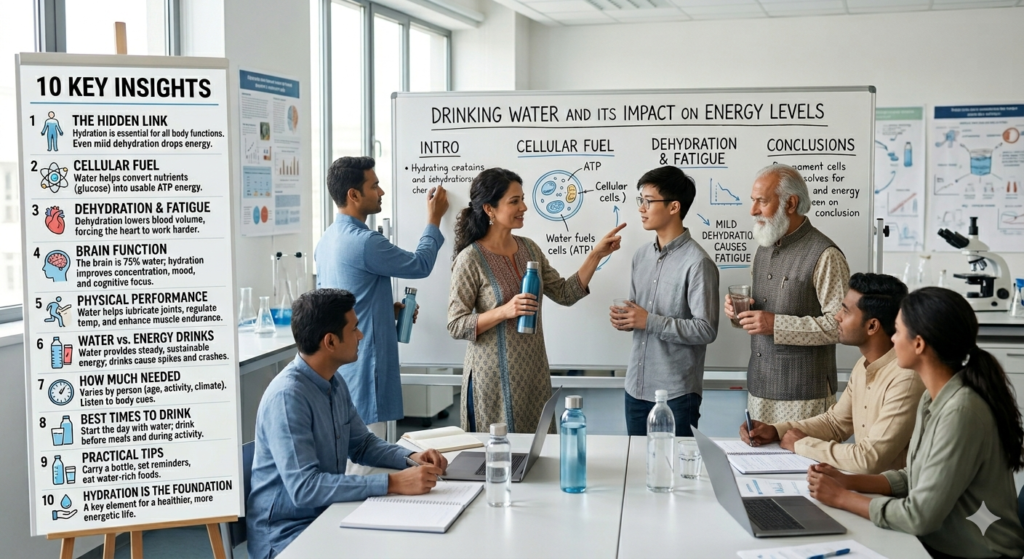
Your body relies on water for nearly every function, from circulating oxygen to regulating temperature. When you don’t drink enough water, your body struggles to perform efficiently, leading to fatigue, sluggishness, and reduced focus. The connection between hydration and energy is stronger than most people realize, and even mild dehydration can significantly impact how you feel throughout the day.
This article explores how hydration affects energy levels, why dehydration makes you feel tired, and how you can optimize your water intake for sustained energy and productivity.
💧 The Science Behind Hydration and Energy
Water is essential for cellular function. Every cell in your body uses water to maintain structure, transport nutrients, and remove waste. When you’re properly hydrated, your body can efficiently convert food into energy. However, when dehydration sets in, these processes slow down.
One of the key reasons hydration affects energy is blood volume. Water makes up a large portion of your blood. When you’re dehydrated, blood volume decreases, which means your heart has to work harder to deliver oxygen and nutrients to your muscles and brain. This extra effort leads to fatigue and reduced endurance.
Additionally, hydration helps regulate body temperature. When your body overheats due to lack of fluids, it uses more energy to cool itself down, leaving you feeling drained.
⚡ How Dehydration Causes Fatigue
Fatigue is one of the earliest signs of dehydration. Even losing a small percentage of your body’s water can lead to noticeable drops in energy levels.
Reduced Oxygen Flow
With less water in your system, blood circulation becomes less efficient. This means less oxygen reaches your muscles and brain, resulting in tiredness and lack of motivation.
Slower Metabolism
Hydration is essential for metabolic processes. When you’re dehydrated, your metabolism slows down, making it harder for your body to convert food into usable energy.
Increased Heart Rate
Your heart works harder to compensate for reduced blood volume. This can make simple tasks feel more exhausting than usual.
🧠 Hydration and Mental Energy
Energy isn’t just physical—it’s mental too. Your brain is highly sensitive to hydration levels, and even mild dehydration can affect cognitive performance.
Brain Fog and Lack of Focus
If you’ve ever struggled to concentrate or felt mentally sluggish, dehydration could be a factor. Water helps maintain the balance of electrolytes in your brain, which are essential for nerve function.
Mood Changes
Low hydration levels can lead to irritability, anxiety, and mood swings. Staying hydrated helps stabilize your mood and keeps your mind sharp.
Memory and Reaction Time
Studies have shown that dehydration can impair short-term memory and slow reaction times, affecting productivity and performance.
🏃 Hydration and Physical Performance
Whether you’re working out or simply going about your daily routine, hydration plays a major role in physical energy.
Muscle Function
Water helps maintain electrolyte balance, which is crucial for muscle contractions. Dehydration can lead to कमजोरी (weakness), cramps, and reduced strength.
Endurance and Stamina
Proper hydration allows your body to sustain activity for longer periods. Dehydration, on the other hand, leads to quicker exhaustion.
Recovery
After physical activity, water helps flush out toxins and supports muscle recovery. Without enough fluids, recovery time increases, leaving you feeling tired for longer.
🌡️ The Role of Electrolytes
Hydration isn’t just about water—it’s also about electrolytes like sodium, potassium, and magnesium. These minerals help regulate fluid balance, nerve signals, and muscle function.
When you sweat, you lose both water and electrolytes. If you only replace water without replenishing electrolytes, you may still feel low on energy. This is why balanced hydration is important, especially during intense physical activity.
☕ Why Coffee Isn’t the Solution
Many people rely on caffeine to boost energy, but this is often a temporary fix. While coffee can make you feel alert, it doesn’t address the root cause of fatigue if dehydration is involved.
In fact, excessive caffeine can contribute to dehydration, creating a cycle where you feel more tired over time. Drinking water alongside or instead of caffeinated beverages can provide more sustainable energy.
🥤 Signs Your Energy Drop Is Due to Dehydration
It’s not always easy to tell whether your fatigue is due to lack of sleep, stress, or dehydration. However, some common signs include:
- Feeling tired despite adequate sleep
- Frequent headaches
- Dry mouth or lips
- Difficulty concentrating
- Dizziness or lightheadedness
- Dark-colored urine
If you notice these symptoms, increasing your water intake may help improve your energy levels.
💡 How to Stay Hydrated for Better Energy
Improving your hydration habits can have a noticeable impact on how energetic you feel throughout the day.
Start Your Day with Water
After hours of sleep, your body is naturally dehydrated. Drinking water first thing in the morning helps kickstart your metabolism and energy levels.
Drink Consistently
Instead of drinking large amounts at once, sip water throughout the day to maintain steady hydration.
Eat Hydrating Foods
Fruits and vegetables like watermelon, cucumber, and oranges have high water content and contribute to your overall hydration.
Adjust for Activity and Climate
If you exercise regularly or live in a hot environment, your body will need more water to stay hydrated.
Listen to Your Body
Don’t wait until you feel thirsty. Make hydration a habit rather than a reaction.
⚖️ Finding the Right Balance
While staying hydrated is important, it’s also possible to overdo it. Drinking excessive amounts of water without balancing electrolytes can dilute essential minerals in your body.
The goal is to maintain a balance—drink enough to stay hydrated, but not so much that it disrupts your body’s natural equilibrium.
🌱 Long-Term Benefits of Proper Hydration
When you maintain consistent hydration, the benefits go beyond just feeling more energetic. You may notice:
- Improved physical performance
- Better mental clarity
- Enhanced mood and emotional stability
- Healthier skin
- More efficient digestion
Over time, these improvements can significantly enhance your overall quality of life.
🌟 Final Thoughts
Hydration is one of the simplest yet most powerful ways to boost your energy levels naturally. While it may not be as exciting as a new diet trend or supplement, its impact is undeniable. From supporting brain function to improving physical endurance, water plays a vital role in keeping you active, focused, and productive.
If you often feel tired, sluggish, or unfocused, take a moment to evaluate your water intake. Sometimes, the solution isn’t more caffeine or rest—it’s simply drinking more water.
By making hydration a daily priority, you can unlock consistent energy and perform at your best, both mentally and physically.