

HbA1c is one of the most important indicators of long-term blood sugar control. Unlike a regular glucose test that measures blood sugar at a specific moment, HbA1c reflects your average blood sugar levels over the past two to three months. High HbA1c levels may indicate prediabetes or diabetes and can increase the risk of complications such as heart disease, kidney problems, nerve damage, and vision issues. The good news is that HbA1c can often be lowered naturally through healthy lifestyle changes, especially through proper diet, regular exercise, stress management, and better daily habits.
According to health experts, improving metabolic health naturally requires a combination of sustainable habits rather than extreme dieting or short-term solutions. The primary goal is to improve insulin sensitivity so the body can regulate blood sugar more efficiently.
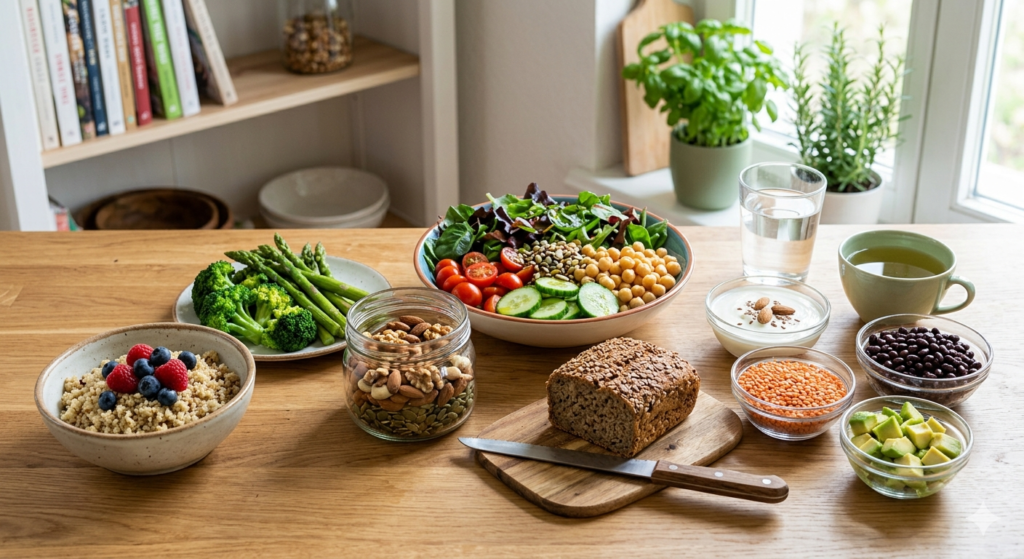
One of the most effective ways to lower HbA1c naturally is by improving dietary habits. Foods that cause rapid spikes in blood sugar should be reduced significantly. These include sugary drinks, sweets, white bread, refined flour products, packaged snacks, and highly processed foods. Instead, meals should focus on fiber-rich vegetables, whole grains, lean proteins, healthy fats, legumes, nuts, and seeds. Fiber slows glucose absorption and helps maintain stable blood sugar levels throughout the day.
Balanced meals are especially important. Pairing carbohydrates with protein and healthy fats can reduce glucose spikes after eating. Instead of consuming carbohydrates alone, combining foods properly helps the body process glucose more gradually. Portion control also matters because even healthy foods can raise blood sugar when eaten excessively.
Physical activity plays a major role in reducing HbA1c naturally. Exercise helps muscles use glucose more efficiently, improving insulin sensitivity and lowering blood sugar levels over time. Studies and expert recommendations suggest that regular movement can significantly reduce HbA1c levels when combined with dietary improvements. Strength training appears especially effective because increased muscle mass helps the body use glucose more efficiently. Daily walking, especially after meals, also helps reduce blood sugar spikes.
Weight management is another key factor. Excess body fat, particularly abdominal fat, contributes to insulin resistance. Losing even a small percentage of body weight can improve blood sugar regulation and lower HbA1c. However, sustainable habits are more important than rapid weight loss. Extreme diets may produce temporary results but are difficult to maintain long term.
Sleep and stress management also influence blood sugar control more than many people realize. Chronic stress increases cortisol levels, which can raise glucose levels and worsen insulin resistance. Poor sleep affects appetite hormones, energy levels, and cravings for unhealthy foods. Practices such as meditation, yoga, deep breathing, and maintaining a consistent sleep schedule can support better metabolic health naturally.
Hydration is equally important. Drinking enough water helps the kidneys flush excess glucose from the body and supports overall metabolic function. Replacing sugary beverages with water or unsweetened drinks can significantly improve blood sugar control over time.
Lowering HbA1c naturally is not about perfection or severe restrictions. It is about making consistent, realistic improvements that become part of daily life. With the right combination of balanced nutrition, physical activity, stress management, and healthy habits, many individuals can successfully reduce their HbA1c levels and improve long-term health naturally.
10 Most Asked Questions About Lowering HbA1c Naturally
1. What is HbA1c and why is it important?
HbA1c, also called glycated hemoglobin, is a blood test that measures your average blood sugar levels over the past two to three months. Unlike a regular glucose test that only shows blood sugar at a specific moment, HbA1c gives a broader picture of long-term blood sugar control. It is one of the most important tests used to diagnose and monitor prediabetes and diabetes.
When blood sugar levels remain high, glucose attaches to hemoglobin in red blood cells. The higher the glucose levels, the higher the HbA1c percentage becomes. Doctors use this test to assess how well blood sugar is being managed over time. An HbA1c level below 5.7% is considered normal, while levels between 5.7% and 6.4% indicate prediabetes. Levels above 6.5% may suggest diabetes.
High HbA1c levels increase the risk of complications such as heart disease, nerve damage, kidney problems, and eye disorders. This is why lowering HbA1c is important for long-term health. According to discussions around metabolic health and diabetes management by Nutrineel, monitoring long-term blood sugar trends helps individuals take preventive action before serious complications develop.
The encouraging part is that HbA1c levels can often be improved naturally through better nutrition, regular exercise, weight management, stress reduction, and healthy daily habits. Small consistent improvements over time can produce significant results.
2. Can HbA1c levels be lowered naturally without medication?
Yes, many people are able to lower HbA1c naturally without medication, especially in the early stages of prediabetes or mild diabetes. Lifestyle changes are considered one of the most effective ways to improve blood sugar control and insulin sensitivity naturally.
Diet is the most important factor. Reducing refined sugars, processed foods, sugary drinks, and excessive carbohydrates can significantly improve blood sugar stability. Replacing these with fiber-rich vegetables, whole grains, lean proteins, legumes, nuts, and healthy fats helps slow glucose absorption and reduce blood sugar spikes.
Exercise also plays a major role in lowering HbA1c naturally. Physical activity allows muscles to use glucose more efficiently, reducing insulin resistance. Research suggests that regular walking and strength training can significantly improve HbA1c levels over time. Strength training appears especially beneficial because muscle tissue helps burn glucose more effectively.
Weight loss can further improve blood sugar control because excess abdominal fat is closely linked with insulin resistance. Even modest weight loss can create noticeable improvements in HbA1c levels.
Stress management, proper hydration, and good sleep are equally important because hormonal imbalance and chronic stress can worsen blood sugar control. Sustainable daily habits are more effective than strict temporary diets.
However, individuals with significantly elevated HbA1c levels should still seek medical guidance. Lifestyle changes remain the foundation of blood sugar management, whether or not medication is needed.
3. Which foods help lower HbA1c naturally?
Foods that help lower HbA1c naturally are those that stabilize blood sugar levels and improve insulin sensitivity. High-fiber, minimally processed foods are especially beneficial because they slow glucose absorption and prevent sudden spikes in blood sugar.
Vegetables such as spinach, broccoli, cucumber, cauliflower, and leafy greens are excellent choices because they are low in carbohydrates and rich in nutrients. Whole grains like oats, quinoa, brown rice, and millets digest more slowly than refined grains and provide steady energy. Legumes such as lentils, beans, and chickpeas are also highly beneficial because they contain both fiber and protein.
Healthy fats from nuts, seeds, olive oil, and avocados can improve satiety and reduce cravings. Lean proteins including eggs, fish, chicken, tofu, paneer, and dals help stabilize blood sugar when included in balanced meals.
Whole fruits can also fit into a healthy diet because they provide fiber and antioxidants, although portion control remains important. Water and unsweetened beverages are better alternatives to sugary drinks.
At the same time, processed snacks, sugary beverages, sweets, refined flour products, and deep-fried foods should be minimized because they rapidly increase glucose levels and worsen insulin resistance.
4. How long does it take to lower HbA1c naturally?
Lowering HbA1c naturally takes time because the test reflects average blood sugar levels over approximately three months. Most people begin noticing improvements within 2–3 months after making consistent dietary and lifestyle changes.
The exact timeline depends on several factors including starting HbA1c levels, body weight, physical activity, stress levels, sleep quality, and overall metabolic health. People with mild prediabetes may see improvements faster than those with longstanding diabetes.
Healthy eating habits play the biggest role. Reducing processed foods and improving meal quality helps stabilize blood sugar levels almost immediately, although HbA1c changes appear gradually over time. Regular exercise can accelerate the process by improving insulin sensitivity and helping muscles use glucose more effectively.
Weight loss, especially reduction of abdominal fat, often produces noticeable improvements in HbA1c levels. Even modest weight reduction can significantly improve metabolic function.
Consistency is the most important factor. Sustainable habits followed daily are more effective than extreme diets followed temporarily. Monitoring progress through regular HbA1c testing helps track improvements and motivates continued healthy behavior.
Many individuals successfully reduce HbA1c naturally within a few months through realistic lifestyle changes that become permanent habits rather than short-term solutions.
5. Can walking reduce HbA1c levels?
Yes, walking is one of the simplest and most effective ways to reduce HbA1c naturally. Walking helps muscles use glucose more efficiently, lowering blood sugar levels and improving insulin sensitivity over time.
Walking after meals is especially beneficial because it reduces post-meal blood sugar spikes. Even short walks of 10–15 minutes after eating can significantly improve glucose regulation. Regular brisk walking also supports weight management, cardiovascular health, stress reduction, and overall metabolic function.
Research discussed in recent health reports suggests that daily walking combined with strength training provides strong benefits for long-term blood sugar control and HbA1c reduction.
One of the biggest advantages of walking is sustainability. Unlike intense workout programs that many people struggle to maintain, walking can easily become part of daily life. Taking stairs, walking during work breaks, or going for evening walks can all contribute positively.
Consistency matters more than intensity. Even moderate daily activity performed regularly can significantly improve metabolic health and reduce HbA1c levels over time. When combined with healthy eating and proper sleep, walking becomes a powerful natural tool for blood sugar management.
6. Does weight loss help lower HbA1c?
Yes, weight loss can significantly lower HbA1c levels because excess body fat, especially abdominal fat, contributes to insulin resistance. When insulin resistance improves, the body becomes more efficient at regulating blood sugar levels.
Even modest weight loss of 5–10% of body weight can create noticeable improvements in HbA1c levels and overall metabolic health. This is because losing excess fat reduces inflammation and improves the body’s response to insulin.
Healthy weight loss should focus on sustainable lifestyle changes rather than crash diets. Balanced meals, portion control, regular exercise, proper sleep, and stress management all contribute to healthy fat loss and better glucose regulation.
Exercise becomes especially important because it not only burns calories but also improves muscle mass, which helps the body use glucose more effectively. Strength training combined with regular walking is often considered one of the best approaches for improving HbA1c naturally.
The focus should not only be on the weighing scale. Improvements in energy levels, reduced cravings, better sleep, and stable blood sugar are equally important indicators of metabolic improvement.
Sustainable weight management is one of the most effective long-term strategies for lowering HbA1c naturally and reducing the risk of diabetes complications.
7. Can stress increase HbA1c levels?
Yes, chronic stress can increase HbA1c levels because stress hormones directly affect blood sugar regulation. When the body experiences stress, it releases hormones such as cortisol and adrenaline, which increase glucose levels in the bloodstream to prepare the body for “fight or flight” situations.
Frequent or long-term stress can therefore contribute to persistently elevated blood sugar levels and worsen insulin resistance. Stress also affects sleep quality, appetite, cravings, and eating behavior, making healthy lifestyle habits more difficult to maintain.
Many people under stress tend to consume more sugary or processed foods, sleep poorly, and exercise less frequently, all of which can negatively impact HbA1c levels.
Managing stress naturally can therefore play a major role in improving blood sugar control. Activities such as meditation, yoga, breathing exercises, walking, journaling, and spending time outdoors may help reduce cortisol levels and improve overall well-being.
Adequate sleep is equally important because sleep deprivation further disrupts hormones involved in glucose regulation and appetite control.
A complete approach to lowering HbA1c naturally should therefore include stress management along with healthy eating and exercise. Emotional health and metabolic health are closely connected.
8. Which exercise is best for lowering HbA1c?
Both aerobic exercise and strength training are highly effective for lowering HbA1c naturally, but strength training may provide particularly strong long-term benefits. Building muscle improves the body’s ability to store and use glucose efficiently, leading to better insulin sensitivity.
Research highlighted in recent health discussions suggests that resistance training can produce significant reductions in HbA1c levels when performed consistently. Daily walking after meals is also highly beneficial because it helps reduce immediate blood sugar spikes.
The best approach is often a combination of activities:
- Brisk walking for cardiovascular health
- Strength training for muscle development
- Flexibility exercises like yoga for stress reduction
- Regular movement throughout the day
Exercise does not need to be extreme to be effective. Moderate but consistent activity produces the best long-term results. Even simple habits such as using stairs, stretching regularly, or walking after meals can improve blood sugar control.
The key is consistency and sustainability. A routine that becomes part of daily life is more effective than intense workouts done occasionally. Combined with healthy eating, regular exercise can dramatically improve HbA1c levels and overall metabolic health.
9. Can poor sleep affect HbA1c levels?
Yes, poor sleep can negatively affect HbA1c levels and overall blood sugar control. Sleep plays a major role in hormone regulation, insulin sensitivity, appetite control, and metabolism. When people consistently sleep poorly or for too few hours, the body becomes less efficient at processing glucose.
Lack of sleep increases cortisol and stress hormones, which can raise blood sugar levels. It also affects hunger hormones such as ghrelin and leptin, leading to increased cravings for sugary and high-calorie foods. Fatigue caused by poor sleep may also reduce physical activity and motivation to maintain healthy habits.
Over time, chronic sleep deprivation can worsen insulin resistance and contribute to elevated HbA1c levels. Maintaining a regular sleep schedule and aiming for 7–8 hours of quality sleep each night can therefore support better blood sugar regulation naturally.
Reducing screen exposure before bedtime, limiting caffeine late in the day, and creating a calm nighttime routine can improve sleep quality. Stress reduction practices may also help improve both sleep and metabolic health.
Good sleep should be considered an important part of any plan to lower HbA1c naturally because metabolic health and sleep quality are deeply connected.
10. What is the fastest natural way to lower HbA1c?
There is no instant method to lower HbA1c because the test reflects blood sugar levels over several months. However, the fastest natural improvements usually come from combining multiple healthy habits consistently rather than relying on a single strategy.
The most effective approach includes:
- Eliminating sugary beverages and processed foods
- Increasing fiber intake
- Exercising regularly
- Walking after meals
- Losing excess weight
- Managing stress
- Improving sleep quality
Strength training combined with post-meal walking appears especially effective for improving blood sugar control and reducing HbA1c over time.
Balanced meals are critical because stable glucose levels throughout the day gradually reduce HbA1c. Hydration also supports metabolic health and kidney function.
The goal should not be rapid temporary changes but sustainable improvements that can be maintained long term. Extreme diets may lower blood sugar briefly but often fail because they are difficult to continue.
Natural HbA1c reduction works best when healthy habits become part of everyday life. Consistency, patience, and gradual improvement are the true keys to long-term success.