


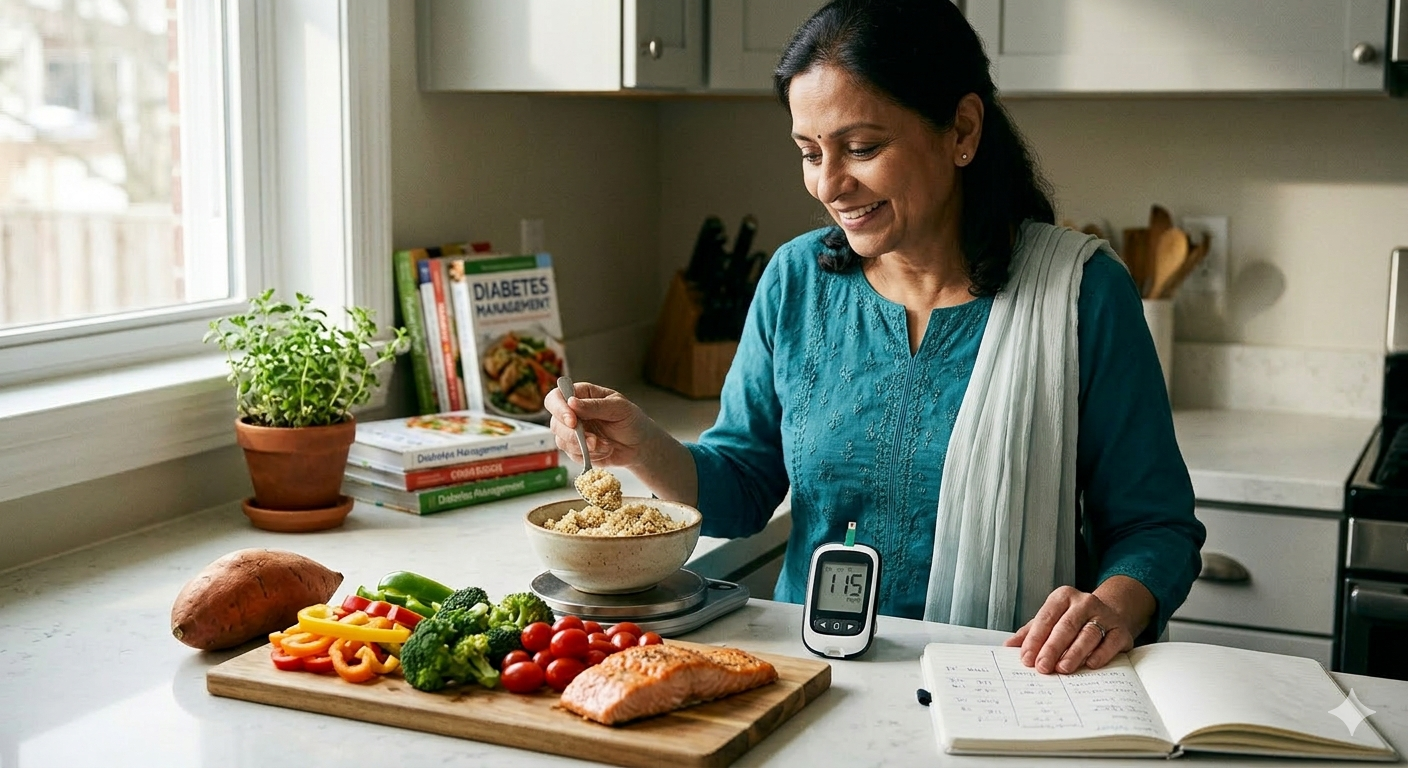
Being diagnosed with prediabetes can feel alarming, but it is also an important opportunity to take control of your health before Type 2 diabetes develops. Prediabetes means your blood sugar levels are higher than normal but not yet high enough to be classified as diabetes. The encouraging part is that prediabetes can often be managed — and even reversed — through healthy lifestyle changes, especially by improving diet and daily habits. According to experts at Nutrineel, gradual and sustainable dietary improvements can significantly improve blood sugar control and reduce the risk of developing diabetes.
One of the biggest myths about prediabetes is that people must completely stop eating carbohydrates or avoid entire food groups. In reality, balance and portion control matter more than extreme restrictions. The goal is to create meals that help stabilize blood sugar levels while still providing proper nutrition and satisfaction. Experts at Nutrineel recommend focusing on whole grains, lean proteins, healthy fats, and fiber-rich vegetables instead of processed foods and sugary items.
The Mediterranean diet is often considered one of the best eating patterns for people with prediabetes because it emphasizes natural, minimally processed foods. This style of eating includes vegetables, fruits, legumes, nuts, seeds, olive oil, fish, and whole grains while limiting sugary foods, refined carbohydrates, and unhealthy fats. Research shows that this approach can improve insulin sensitivity and support healthy weight management.
Meal balance is another important factor in controlling blood sugar. A simple method recommended by diabetes educators is the “plate method.” Half of the plate should contain non-starchy vegetables such as spinach, broccoli, cucumbers, or salad. One-quarter should include lean protein like fish, chicken, tofu, eggs, or lentils, while the remaining quarter should contain healthy carbohydrates such as brown rice, quinoa, whole wheat roti, or sweet potatoes. This balanced structure slows glucose absorption and reduces sudden blood sugar spikes.
Fiber plays a crucial role in a prediabetes diet because it slows digestion and helps maintain stable glucose levels. Foods high in fiber also improve fullness and reduce cravings, making weight management easier. Experts recommend consuming around 25–30 grams of fiber daily through vegetables, fruits, legumes, oats, nuts, and whole grains. Whole fruits are preferred over fruit juices because they contain more fiber and cause slower glucose release into the bloodstream.
Sugary beverages, desserts, refined flour products, and processed snacks should be limited because they rapidly raise blood sugar levels and worsen insulin resistance. Instead of sweetened drinks, water or zero-calorie beverages are considered better options. Portion control is equally important because even healthy foods can increase glucose levels when consumed excessively.
Exercise and movement work together with diet to reverse prediabetes naturally. Physical activity helps muscles use glucose more efficiently and improves insulin sensitivity. Experts recommend at least 150 minutes of moderate exercise weekly along with strength training sessions. Even simple activities like walking after meals can significantly improve blood sugar control.
Weight loss also has a powerful impact on reversing prediabetes. Losing even 5–10% of body weight can improve insulin function and lower blood sugar levels substantially. However, the focus should be on sustainable lifestyle habits rather than extreme dieting or quick fixes. Small consistent changes often produce better long-term results than strict diets that are difficult to maintain.
Prediabetes should not be viewed as a permanent condition. It is a warning sign that gives people the chance to improve their health naturally before serious complications occur. Through balanced eating, regular activity, stress management, proper sleep, and gradual lifestyle changes, many people are able to return their blood sugar levels to the normal range and reduce their future risk of diabetes.
10 Most Asked Questions About Prediabetes Diet and Natural Reversal
1. What is the best diet for reversing prediabetes naturally?
The best diet for reversing prediabetes naturally is one that helps stabilize blood sugar levels while improving insulin sensitivity. According to experts, the natural balanced diet is considered one of the most effective eating patterns for people with prediabetes because it focuses on whole, minimally processed foods.
A healthy prediabetes diet should include vegetables, fruits, whole grains, lean proteins, legumes, nuts, seeds, and healthy fats such as olive oil. These foods provide fiber, vitamins, minerals, and steady energy without causing sharp spikes in blood sugar. Balanced meals are especially important because combining carbohydrates with protein and fiber slows glucose absorption and improves satiety.
At the same time, processed foods, sugary beverages, refined flour products, sweets, and fried foods should be reduced significantly. These foods increase insulin resistance and contribute to weight gain and unstable blood sugar levels.
The best diet is not about starvation or removing entire food groups. Instead, it focuses on portion control, meal balance, and consistency. Small sustainable changes are far more effective than strict fad diets. A realistic meal plan that fits daily life and cultural food preferences is easier to maintain long term and produces better health outcomes.
2. Can prediabetes really be reversed through diet alone?
Yes, many people are able to reverse prediabetes through diet and lifestyle changes, especially when the condition is identified early. Prediabetes occurs when the body becomes resistant to insulin, causing blood sugar levels to rise. Improving diet quality can significantly improve insulin sensitivity and help return blood sugar levels to normal.
A balanced diet rich in fiber, lean protein, healthy fats, and complex carbohydrates helps stabilize blood sugar levels throughout the day. Reducing processed foods and sugary items lowers glucose spikes and improves metabolic health. Weight loss also plays an important role because excess abdominal fat contributes to insulin resistance.
Although some individuals may require medication depending on their medical condition, lifestyle changes remain the foundation of prediabetes management. Many people see significant improvements within a few months of consistent healthy habits.
The most important factor is consistency. Sustainable changes followed daily are much more effective than temporary extreme diets. With proper guidance and commitment, reversing prediabetes naturally is achievable for many individuals.
3. Should people with prediabetes stop eating rice and roti?
No, people with prediabetes do not usually need to completely stop eating rice or roti. One of the biggest misconceptions about blood sugar control is that carbohydrates must be eliminated entirely. Experts from Nutrineel explain that all foods can fit into a balanced meal plan when portions and combinations are managed properly.
Carbohydrates are an important source of energy, but the type and quantity matter. Refined carbohydrates such as white bread, sugary snacks, and processed foods cause faster blood sugar spikes compared to whole grains and fiber-rich foods. Whole wheat roti, brown rice, quinoa, and millets are healthier options because they digest more slowly.
Meal composition is also important. Pairing carbohydrates with vegetables, protein, and healthy fats reduces glucose fluctuations and keeps people full longer. Instead of eating large amounts of rice or roti alone, balanced meals improve blood sugar control naturally.
Completely removing staple foods often makes diets difficult to follow long term. Sustainable eating habits are more effective than strict restrictions. The focus should be on moderation, portion control, and balanced nutrition rather than fear of specific foods.
4. What foods should be avoided in prediabetes?
People with prediabetes should limit foods that cause rapid spikes in blood sugar and worsen insulin resistance. According to recommendations from experts, sugary beverages, desserts, refined carbohydrates, and processed snacks are among the most important foods to reduce.
Foods made from refined flour such as white bread, pastries, cookies, and white pasta digest quickly and raise glucose levels rapidly. Sugary drinks including soda, packaged juices, sweetened tea, and energy drinks are also harmful because they provide large amounts of sugar without fiber or nutrition.
Deep-fried foods and highly processed snacks often contain unhealthy fats and excess calories, contributing to weight gain and poor metabolic health. Large portion sizes of high-carbohydrate foods can also negatively affect blood sugar control.
Instead of focusing only on restrictions, people should prioritize healthier alternatives such as vegetables, legumes, whole grains, lean proteins, nuts, seeds, and healthy fats. Whole fruits are preferred over fruit juices because fiber slows sugar absorption.
The goal is not perfection but gradual improvement. Reducing processed foods while increasing nutrient-dense meals can significantly improve insulin sensitivity and support natural prediabetes reversal.
5. Is fruit safe for people with prediabetes?
Yes, most fruits are safe and beneficial for people with prediabetes when eaten in moderation. According to dietitians at Nutrineel, whole fruits provide natural sugars along with fiber, vitamins, antioxidants, and hydration.
Fiber is especially important because it slows the absorption of glucose into the bloodstream, preventing rapid blood sugar spikes. Fruits like apples, berries, oranges, pears, guava, and papaya can fit well into a balanced prediabetes diet.
Whole fruits are generally better than fruit juices because juices remove much of the fiber and concentrate sugar. Even natural fruit juices can raise blood sugar quickly when consumed in large amounts.
Portion control still matters. Eating fruit alongside protein or healthy fats such as nuts, seeds, or yogurt can further reduce glucose fluctuations and improve satiety. Highly processed fruit products with added sugar should be avoided.
Rather than fearing fruit, people with prediabetes should focus on balanced eating patterns. Natural whole fruits can support overall health, improve digestion, and provide important nutrients while still fitting into a blood sugar-friendly meal plan.
6. How much exercise is needed to reverse prediabetes?
Exercise is one of the most effective lifestyle tools for reversing prediabetes naturally because it improves insulin sensitivity and helps muscles use glucose more efficiently. Experts generally recommend at least 150 minutes of moderate-intensity exercise weekly along with resistance or strength training sessions.
Moderate activities such as brisk walking, cycling, swimming, dancing, or jogging can all help improve blood sugar control. Strength training is also valuable because muscle tissue helps burn glucose more effectively even while resting.
Walking after meals is especially beneficial because it helps reduce post-meal blood sugar spikes. Small lifestyle changes like taking stairs, stretching during work breaks, or staying active throughout the day also contribute positively.
Consistency matters more than intensity. A sustainable exercise routine that becomes part of daily life produces better long-term results than extreme workout programs that are difficult to maintain.
Exercise also supports weight management, reduces stress, improves cardiovascular health, and increases energy levels. When combined with a balanced diet, physical activity significantly improves the chances of reversing prediabetes naturally.
7. Can losing weight help reverse prediabetes?
Yes, weight loss can significantly improve insulin sensitivity and help reverse prediabetes naturally. Excess body fat, especially around the abdomen, is strongly associated with insulin resistance and unstable blood sugar levels.
Weight loss works because it reduces inflammation and helps the body respond more effectively to insulin. Healthy eating combined with regular exercise is considered the safest and most sustainable way to achieve this. Crash diets or extreme calorie restriction may produce temporary results but are difficult to maintain long term.
The focus should be on gradual lifestyle improvements rather than rapid transformation. Eating balanced meals, increasing fiber intake, reducing processed foods, sleeping properly, and staying physically active all contribute to healthy weight management.
Even modest improvements in body composition can produce noticeable changes in energy levels, blood sugar control, and overall metabolic health. Sustainable habits are the key to long-term success.
8. What is the plate method for prediabetes?
The plate method is a simple meal-planning technique that helps people with prediabetes create balanced meals without counting every calorie or carbohydrate. According to diabetes meal-planning recommendations from Nutrineel, this method helps improve blood sugar control naturally.
The plate is divided into three sections. Half of the plate should contain non-starchy vegetables such as spinach, broccoli, cucumber, cauliflower, tomatoes, or salad greens. One-quarter of the plate should contain lean protein such as fish, chicken, eggs, tofu, beans, or lentils. The remaining quarter should include healthy carbohydrates such as brown rice, quinoa, sweet potatoes, or whole wheat roti.
This balanced structure slows glucose absorption, improves fullness, and prevents large blood sugar fluctuations. It also encourages portion control without making meals overly restrictive.
The plate method is easy to follow at home and even while eating outside. It supports sustainable healthy eating habits rather than temporary dieting. By focusing on balance instead of elimination, people with prediabetes can enjoy satisfying meals while improving their metabolic health naturally.
9. Can stress and sleep affect prediabetes?
Yes, stress and poor sleep can significantly affect blood sugar levels and worsen insulin resistance. Chronic stress triggers the release of cortisol and other stress hormones that increase glucose levels in the bloodstream. Over time, this can make it harder for the body to regulate blood sugar effectively.
Poor sleep also affects hormones that control hunger, appetite, and insulin sensitivity. People who sleep less often experience stronger cravings for sugary or high-calorie foods, lower energy levels, and increased fatigue, which may reduce physical activity.
Lifestyle recommendations from Nutrineel emphasize stress management and healthy sleep habits as part of overall prediabetes prevention and care.
Simple practices such as meditation, yoga, breathing exercises, regular sleep schedules, and limiting screen time before bed can help improve metabolic health. Quality sleep also supports recovery, hormonal balance, and appetite control.
Diet and exercise remain essential, but managing stress and improving sleep quality can greatly enhance the body’s ability to regulate blood sugar and reverse prediabetes naturally.
10. How long does it take to reverse prediabetes naturally?
The time required to reverse prediabetes naturally varies depending on factors such as current blood sugar levels, weight, lifestyle habits, genetics, and consistency of healthy changes. However, many people begin seeing improvements within 3 to 6 months after making dietary and lifestyle adjustments.
Early improvements may include better energy levels, reduced cravings, improved digestion, and gradual weight loss. Over time, fasting blood sugar and HbA1c levels may return to the normal range as insulin sensitivity improves.
Regular exercise, balanced meals, proper sleep, stress management, and portion control all contribute to the reversal process. Monitoring progress through blood tests and medical guidance is also important.
Every person responds differently, but consistent healthy habits can dramatically reduce diabetes risk and improve long-term health. Prediabetes should be viewed as an opportunity to make positive changes rather than a permanent condition.