


Best Diet Plan for Type 2 Diabetes: A Complete, Practical Guide
Managing type 2 diabetes starts with what’s on your plate. While medication and monitoring are important, your daily food choices play the biggest role in controlling blood sugar levels. The good news? You don’t need a complicated or extreme diet. The best diet plan for type 2 diabetes is balanced, realistic, and sustainable.
Below, you’ll find this guide divided into 10 detailed topics (200–300 words each) to help you understand, plan, and implement a diabetes-friendly eating strategy that truly works.
- Understanding Type 2 Diabetes and Why Diet Matters
Type 2 diabetes is a condition where the body either doesn’t produce enough insulin or becomes resistant to it. Insulin is the hormone that helps move glucose from the bloodstream into cells for energy. When insulin isn’t working effectively, sugar builds up in the blood, leading to high blood glucose levels.
Over time, uncontrolled blood sugar can increase the risk of serious health problems like heart disease, kidney damage, nerve issues, and vision loss. That’s why proper management is essential — and diet plays a central role.
Every time you eat, especially carbohydrates, your blood sugar rises. The type, quantity, and timing of food directly influence how high and how quickly your glucose levels increase. A well-structured diet helps prevent sudden spikes and crashes, improves insulin sensitivity, and supports weight management.
Unlike fad diets that focus on restriction, a type 2 diabetes diet emphasizes balance. It’s about choosing nutrient-dense foods, managing portion sizes, and eating consistently throughout the day. When done right, diet not only stabilizes blood sugar but also boosts energy, improves mood, and enhances overall quality of life.
- Core Principles of the Best Diet Plan for Type 2 Diabetes
The best diet plan for type 2 diabetes is built on simple but powerful principles. First, balance is key. Each meal should contain a combination of complex carbohydrates, lean protein, and healthy fats. This balance slows digestion and prevents rapid spikes in blood sugar.
Second, focus on whole foods. Highly processed foods often contain added sugars, refined carbohydrates, and unhealthy fats that can disrupt glucose control. Whole grains, fresh vegetables, fruits, legumes, nuts, and seeds provide nutrients along with fiber that supports steady blood sugar levels.
Third, portion control matters. Even healthy foods can cause elevated glucose levels if eaten in large amounts. Learning to recognize appropriate serving sizes is essential.
Consistency is another important principle. Eating at regular intervals helps maintain stable blood sugar and prevents extreme hunger that can lead to overeating.
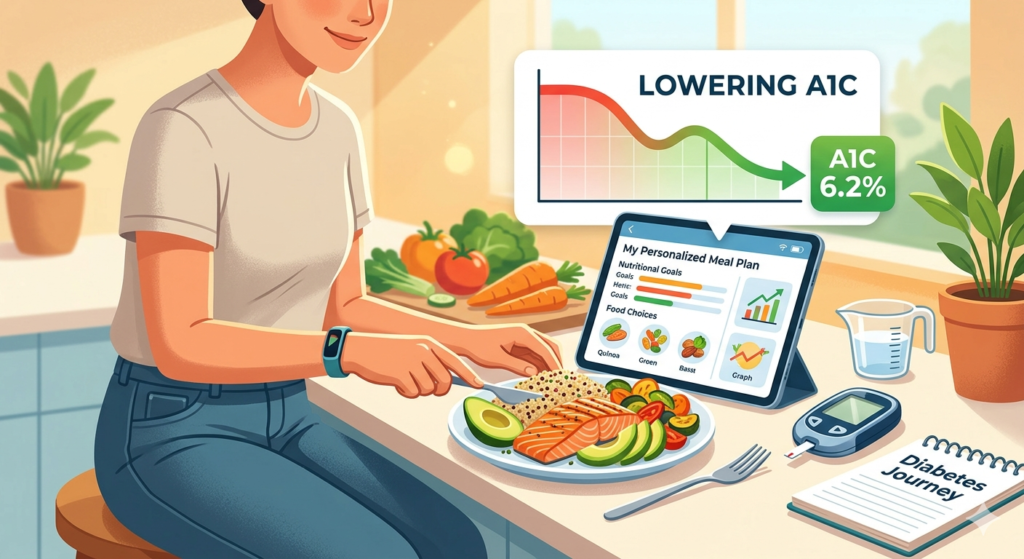
Finally, personalization is crucial. Each person’s body responds differently to foods. Monitoring blood sugar levels and adjusting meals accordingly helps create a customized, effective plan that supports long-term diabetes management.
- Choosing the Right Carbohydrates for Blood Sugar Control
Carbohydrates have the greatest impact on blood sugar, but they are not something you need to eliminate. Instead, the focus should be on selecting high-quality carbohydrates that digest slowly and provide lasting energy.
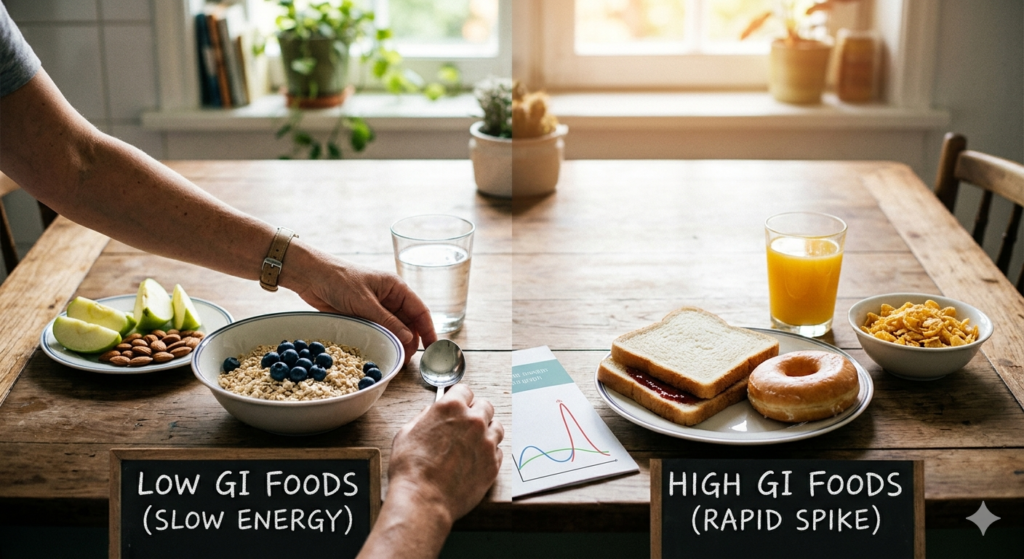
Complex carbohydrates, such as brown rice, quinoa, oats, whole wheat bread, and barley, contain fiber that slows glucose absorption. This prevents sudden blood sugar spikes and keeps you feeling full longer.
Non-starchy vegetables like spinach, broccoli, cauliflower, zucchini, peppers, and green beans are excellent choices. They are low in carbohydrates but rich in vitamins, minerals, and antioxidants.
Legumes, including lentils, chickpeas, and black beans, are also beneficial. They provide fiber, plant-based protein, and slow-digesting carbohydrates that support stable glucose levels.
Fruits can be included in moderation. Berries, apples, pears, and oranges are generally better options because they have more fiber and a lower glycemic impact compared to tropical fruits or fruit juices.
Avoid refined carbohydrates like white bread, white rice, sugary cereals, pastries, and processed snacks, as they quickly raise blood sugar levels.
- The Power of Protein in Managing Type 2 Diabetes
Protein plays a critical role in stabilizing blood sugar levels. Unlike carbohydrates, protein has minimal impact on glucose levels, making it a valuable component of every meal and snack.
Including protein helps slow the digestion of carbohydrates, reducing blood sugar spikes after meals. It also promotes satiety, meaning you feel full longer, which can prevent overeating and assist with weight management — a key factor in type 2 diabetes control.
Excellent sources of lean protein include chicken breast, turkey, fish, eggs, tofu, and low-fat dairy products such as Greek yogurt or cottage cheese. Fatty fish like salmon, sardines, and mackerel are particularly beneficial because they contain omega-3 fatty acids, which support heart health.
Plant-based protein options such as beans, lentils, nuts, seeds, and edamame are also great choices. These options offer the added benefit of fiber, which further supports blood sugar regulation.
Aim to include a palm-sized portion of protein with each main meal. This simple strategy can significantly improve blood sugar balance and make your diabetes diet more satisfying and sustainable.
- Healthy Fats: Essential for Blood Sugar and Heart Health
Healthy fats are often misunderstood, but they are an important part of the best diet plan for type 2 diabetes. The right types of fat can improve insulin sensitivity, reduce inflammation, and protect heart health.
Monounsaturated fats found in olive oil, avocados, almonds, and peanuts are particularly beneficial. These fats support cardiovascular health, which is crucial since individuals with diabetes have a higher risk of heart disease.
Omega-3 fatty acids, present in fatty fish like salmon and flaxseeds, help lower triglycerides and reduce inflammation. Including fish in your diet two to three times per week can offer protective benefits.
However, not all fats are helpful. Saturated fats found in fatty red meats, full-fat dairy, and fried foods should be limited. Trans fats, commonly found in processed and packaged foods, should be avoided altogether.
While healthy fats are beneficial, they are calorie-dense. Moderation is important to maintain a healthy weight, which directly impacts blood sugar control and overall diabetes management.
- Fiber: A Key Nutrient for Stable Blood Sugar
Fiber is one of the most important nutrients for managing type 2 diabetes. It slows digestion and the absorption of sugar, helping prevent sharp increases in blood glucose after meals.
There are two types of fiber: soluble and insoluble. Soluble fiber dissolves in water and forms a gel-like substance in the digestive system. It is especially helpful in lowering blood sugar and cholesterol levels. Foods rich in soluble fiber include oats, beans, lentils, apples, and flaxseeds.
Insoluble fiber adds bulk to stool and supports digestive health. Whole grains, vegetables, nuts, and seeds are good sources.
Most adults with type 2 diabetes should aim for 25 to 35 grams of fiber per day. Unfortunately, many people consume far less than this amount.
Increasing fiber gradually is important to avoid digestive discomfort. Pairing fiber-rich foods with adequate water intake enhances their effectiveness and supports overall gut health.
A high-fiber diet not only improves blood sugar control but also promotes heart health and weight management.
- Sample One-Day Diabetes-Friendly Meal Plan
Creating a structured meal plan can make diabetes management easier and less stressful. A balanced day of eating should include protein, fiber, healthy fats, and controlled portions of carbohydrates.
For breakfast, consider oatmeal topped with fresh berries and a handful of nuts, paired with a boiled egg. This combination provides fiber, protein, and healthy fats for steady energy.
Mid-morning, a serving of Greek yogurt with chia seeds offers protein and additional fiber.
Lunch could include grilled chicken, a generous portion of mixed non-starchy vegetables, and a small serving of quinoa or brown rice drizzled with olive oil.
An afternoon snack might be an apple with a tablespoon of almond butter to balance natural sugars with healthy fat and protein.
Dinner can feature baked salmon, steamed broccoli, and a small portion of sweet potato.
This type of meal structure supports steady blood sugar levels throughout the day while keeping meals enjoyable and satisfying.
- Foods to Limit or Avoid with Type 2 Diabetes
Certain foods can quickly disrupt blood sugar control and should be limited or avoided. Sugary beverages like soda, sweetened tea, and energy drinks are among the biggest culprits. They cause rapid spikes because they contain high amounts of sugar without fiber.
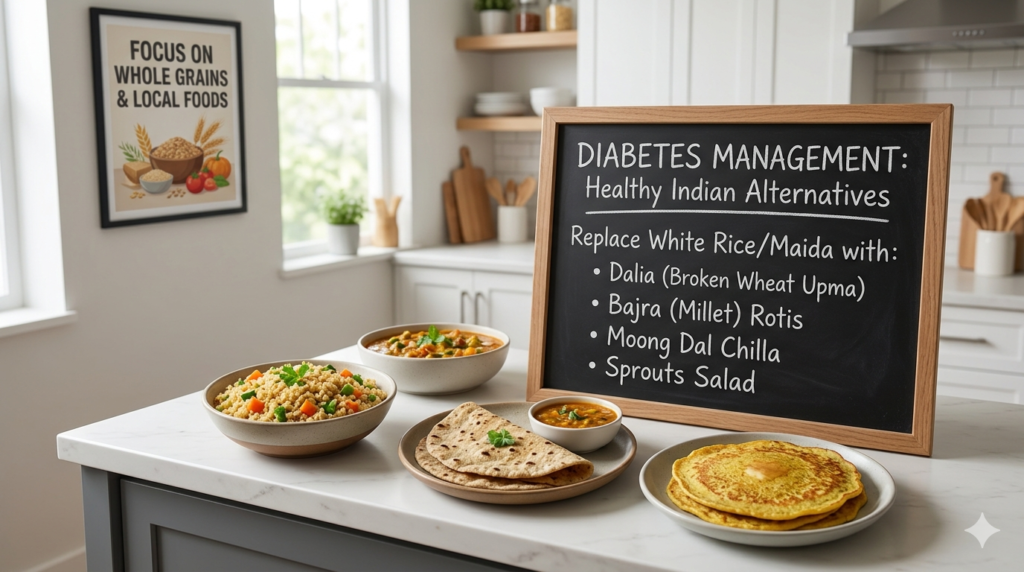
Refined grains such as white bread, white pasta, and white rice digest quickly and raise blood glucose levels. Replacing them with whole-grain alternatives is a healthier option.
Highly processed foods like chips, cookies, pastries, and packaged snacks often contain added sugars, unhealthy fats, and excessive sodium.
Fried foods and fatty cuts of red meat should also be consumed sparingly due to their saturated fat content, which can increase cardiovascular risk.
Alcohol should be consumed cautiously, as it can cause unpredictable blood sugar fluctuations.
Rather than focusing on strict elimination, aim to make gradual substitutions. Replacing unhealthy options with nutrient-dense alternatives helps maintain balance without feeling deprived.
- Portion Control and Meal Timing Strategies
Even healthy foods can raise blood sugar if eaten in large quantities. That’s why portion control is essential in managing type 2 diabetes.
One simple method is the plate method. Fill half your plate with non-starchy vegetables, one quarter with lean protein, and one quarter with whole grains or starchy vegetables. This approach naturally balances nutrients and controls carbohydrate intake.
Meal timing is equally important. Eating every three to four hours helps maintain steady blood sugar levels and prevents extreme hunger that can lead to overeating.
Skipping meals can cause blood sugar fluctuations and may negatively affect energy levels and concentration.
Using measuring cups, reading food labels, and becoming familiar with serving sizes can greatly improve portion awareness.
Consistent meal timing combined with balanced portions creates a strong foundation for long-term blood sugar stability and weight management.
- Lifestyle Habits That Enhance Your Diabetes Diet Plan
Diet is powerful, but combining it with supportive lifestyle habits amplifies results. Regular physical activity improves insulin sensitivity, allowing your body to use glucose more effectively. Even a brisk 30-minute walk daily can significantly lower blood sugar levels.
Adequate sleep is essential. Poor sleep disrupts hormones that regulate blood sugar and appetite, making management more difficult.
Stress management is also critical. Chronic stress increases cortisol levels, which can raise blood sugar. Techniques such as deep breathing, meditation, and yoga can help.
Staying hydrated supports metabolic function and prevents dehydration-related blood sugar fluctuations.
Monitoring blood glucose levels regularly provides insight into how specific foods and activities affect your body.
When healthy eating is combined with exercise, quality sleep, stress management, and regular monitoring, managing type 2 diabetes becomes far more effective and sustainable.