


Why Blood Sugar Spikes Happen (And How to Prevent Them)
Blood sugar spikes are sudden increases in glucose levels in the bloodstream. They can happen to anyone, but they are particularly important for people with diabetes, prediabetes, or insulin resistance. Even individuals without diagnosed metabolic conditions can experience frequent blood sugar fluctuations due to diet and lifestyle habits.
When blood sugar rises too quickly, the body releases insulin to bring glucose levels back down. While this process is normal, repeated spikes can put stress on the body over time. Frequent blood sugar swings may contribute to fatigue, cravings, weight gain, and long-term health problems such as Type 2 diabetes and heart disease.
Understanding why blood sugar spikes occur is essential for maintaining metabolic health. Many factors influence glucose levels, including the types of foods you eat, how active you are, stress levels, sleep patterns, and overall lifestyle.
The good news is that most blood sugar spikes can be prevented with simple changes in diet and daily habits. By choosing balanced meals, staying active, and understanding how your body responds to food, you can maintain stable energy levels throughout the day.
This article explores the causes of blood sugar spikes and provides practical strategies to help keep glucose levels stable.
1. What Is a Blood Sugar Spike?
A blood sugar spike occurs when glucose levels in the bloodstream rise rapidly after eating. This usually happens when the body digests carbohydrates, which are broken down into glucose and absorbed into the bloodstream.
Under normal circumstances, the pancreas releases insulin to help cells absorb glucose and use it for energy. This process keeps blood sugar levels within a healthy range.
However, when large amounts of glucose enter the bloodstream quickly, blood sugar levels can rise sharply before the body has time to respond effectively. This rapid increase is known as a blood sugar spike.
Occasional spikes are normal, especially after consuming carbohydrate-rich meals. But frequent spikes may indicate that the body is struggling to regulate blood sugar properly.
Over time, repeated spikes can lead to insulin resistance, where cells become less responsive to insulin. This makes it harder for glucose to enter cells and keeps blood sugar levels elevated.
Monitoring and understanding blood sugar fluctuations is important because stable glucose levels support better energy, mood, and long-term health.
2. How the Body Normally Regulates Blood Sugar
The body has a complex system designed to keep blood sugar levels stable. After you eat, carbohydrates are digested and converted into glucose, which enters the bloodstream.
As blood glucose rises, the pancreas releases insulin. This hormone acts like a key that unlocks cells in muscles, fat tissue, and the liver, allowing glucose to enter and be used as energy.
When blood sugar levels start to drop, the pancreas releases another hormone called glucagon. Glucagon signals the liver to release stored glucose into the bloodstream to maintain stable levels.
This delicate balance ensures that the body has a steady supply of energy without allowing blood sugar to become too high or too low.
However, certain factors can disrupt this system. Eating large amounts of refined carbohydrates, being physically inactive, or experiencing chronic stress can interfere with insulin’s ability to work effectively.
When the body’s regulatory system is overwhelmed, blood sugar spikes become more frequent and more difficult to control.
Maintaining healthy habits helps support the body’s natural ability to regulate glucose.
3. Refined Carbohydrates and Sugary Foods
One of the most common causes of blood sugar spikes is consuming foods high in refined carbohydrates and added sugars.
Refined carbohydrates are processed grains that have had their fiber removed. Examples include white bread, pastries, sugary cereals, and white rice.
Because these foods contain little fiber, they are digested quickly and release glucose into the bloodstream at a rapid rate.
Sugary beverages such as soda, fruit juices, energy drinks, and sweetened coffee drinks can also cause dramatic spikes in blood sugar.
Unlike whole foods, these drinks often contain large amounts of sugar without protein, fiber, or fat to slow down digestion.
When glucose enters the bloodstream too quickly, the pancreas must release a large amount of insulin to control it. This sudden insulin surge may later cause blood sugar levels to drop rapidly, leading to fatigue and hunger.
Choosing whole, minimally processed carbohydrates instead of refined ones can help prevent rapid blood sugar spikes.
Foods rich in fiber slow digestion and lead to a more gradual rise in glucose levels.
4. Large Portion Sizes
Even healthy foods can cause blood sugar spikes when eaten in large quantities.
Carbohydrates are the primary nutrient that affects blood glucose levels. When a meal contains a large amount of carbohydrates, the body must process a significant amount of glucose at once.
This can overwhelm the body’s ability to regulate blood sugar efficiently, leading to a spike.
Portion sizes play a particularly important role for foods such as rice, pasta, potatoes, and bread.
While these foods can be part of a balanced diet, consuming them in excessive portions may lead to sudden increases in blood sugar levels.
Many people underestimate portion sizes, especially when eating out or consuming packaged foods.
Practicing mindful eating and being aware of portion sizes can help maintain stable glucose levels.
Combining carbohydrates with protein, fiber, and healthy fats can also slow digestion and reduce the likelihood of spikes.
Balanced meals provide steady energy and prevent sudden fluctuations in blood sugar.
5. Lack of Physical Activity
Physical activity plays a significant role in controlling blood sugar levels.
When muscles contract during exercise, they use glucose as a source of energy. This helps remove glucose from the bloodstream and lowers blood sugar levels.
However, when a person is sedentary for long periods, the body’s ability to use glucose efficiently decreases.
Without regular movement, glucose remains in the bloodstream for longer periods, increasing the likelihood of spikes after meals.
Even short periods of activity can make a difference. Walking after meals, stretching, or performing light exercises can help muscles absorb glucose more effectively.
Regular physical activity also improves insulin sensitivity. This means the body requires less insulin to move glucose into cells.
Over time, consistent exercise can significantly improve blood sugar regulation and reduce the frequency of spikes.
Incorporating movement into daily routines is one of the most effective strategies for maintaining stable glucose levels.
6. Stress and Hormonal Changes
Stress can have a powerful impact on blood sugar levels.
When the body experiences stress, it releases hormones such as cortisol and adrenaline. These hormones prepare the body for a “fight-or-flight” response by increasing blood sugar levels to provide quick energy.
While this response can be helpful in short-term situations, chronic stress keeps blood sugar levels elevated for longer periods.
Over time, persistent high cortisol levels may contribute to insulin resistance and make it more difficult for the body to regulate glucose effectively.
Stress can also influence eating habits. Many people crave sugary or high-carbohydrate foods during stressful periods, which further contributes to blood sugar spikes.
Learning to manage stress is an important part of maintaining healthy glucose levels.
Practices such as meditation, deep breathing, yoga, and spending time outdoors can help reduce stress hormones and support metabolic balance.
7. Poor Sleep and Blood Sugar Imbalance
Sleep plays a crucial role in regulating metabolism and hormone balance.
When a person does not get enough quality sleep, the body becomes less sensitive to insulin. This means glucose remains in the bloodstream longer, increasing the likelihood of spikes.
Sleep deprivation also disrupts hormones that regulate hunger, such as ghrelin and leptin. This can increase cravings for sugary or high-carbohydrate foods.
Poor sleep is also linked to increased stress hormones, which can further raise blood sugar levels.
Studies have shown that even a few nights of inadequate sleep can negatively affect insulin sensitivity.
Maintaining a consistent sleep schedule and aiming for 7–9 hours of rest each night supports healthy blood sugar regulation.
Creating a relaxing bedtime routine and limiting screen exposure before sleep can also improve sleep quality.
Good sleep habits are an often overlooked but important factor in preventing blood sugar spikes.
8. The Glycemic Index and Its Impact
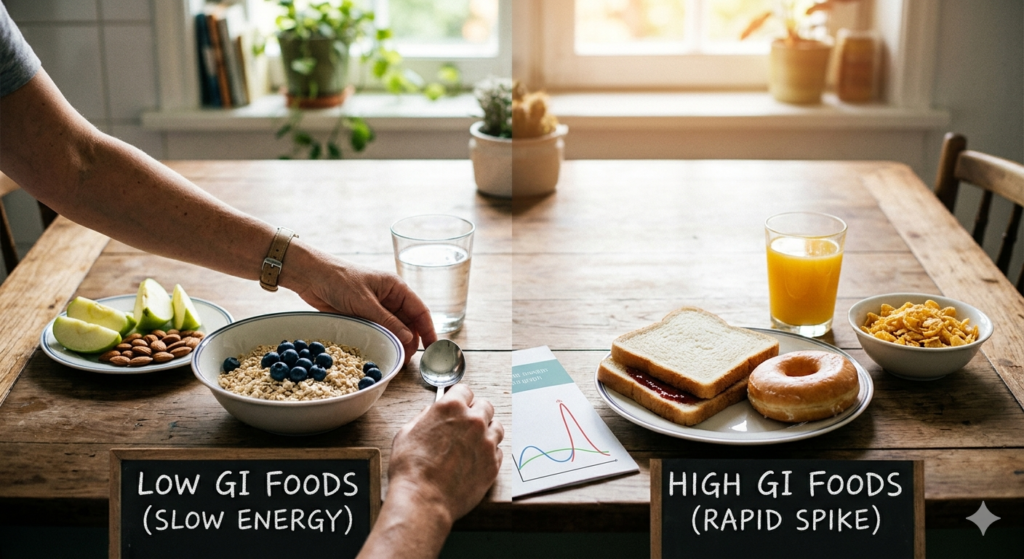
The glycemic index (GI) is a system that ranks foods based on how quickly they raise blood sugar levels.
Foods with a high glycemic index are digested rapidly and cause sharp increases in blood glucose. Examples include white bread, sugary cereals, and processed snacks.
Low-glycemic foods are digested more slowly and produce a gradual rise in blood sugar. These include vegetables, legumes, whole grains, and most fruits.
Choosing lower-GI foods can help maintain more stable glucose levels throughout the day.
However, the glycemic index is not the only factor that matters. The overall composition of a meal also affects how quickly glucose enters the bloodstream.
For example, eating carbohydrates alongside protein, fiber, and healthy fats can reduce the glycemic impact of a meal.
Understanding the glycemic index can help individuals make smarter food choices that support better blood sugar control.
9. Practical Strategies to Prevent Blood Sugar Spikes
Preventing blood sugar spikes does not require extreme diets or complicated routines. Small, consistent changes can make a significant difference.
One of the most effective strategies is eating balanced meals that include protein, fiber, and healthy fats.
Starting meals with vegetables or protein may also reduce post-meal glucose spikes.
Choosing whole foods over processed foods is another important step. Whole grains, vegetables, fruits, and legumes provide fiber that slows glucose absorption.
Staying physically active throughout the day helps muscles use glucose more efficiently.
Drinking enough water can also support metabolic health and help the body regulate blood sugar levels.
Limiting sugary drinks and highly processed snacks is another key strategy.
Consistency is more important than perfection. Developing sustainable habits allows the body to maintain stable glucose levels over the long term.
10. Why Stable Blood Sugar Matters for Overall Health
Maintaining stable blood sugar levels is essential for both short-term well-being and long-term health.
Frequent spikes and crashes can lead to fatigue, irritability, difficulty concentrating, and increased hunger.
Over time, repeated blood sugar spikes may contribute to insulin resistance, weight gain, and metabolic disorders.
Stable glucose levels support steady energy, better mood, and improved mental clarity throughout the day.
Long-term blood sugar control also reduces the risk of chronic diseases such as Type 2 diabetes, heart disease, and metabolic syndrome.
The key to stability lies in balanced nutrition, regular physical activity, good sleep, and effective stress management.
By understanding the causes of blood sugar spikes and taking proactive steps to prevent them, individuals can support their metabolic health and overall well-being.
Small daily choices can make a powerful difference in maintaining healthy blood sugar levels.