

What Is the Glycemic Index? A Simple Guide
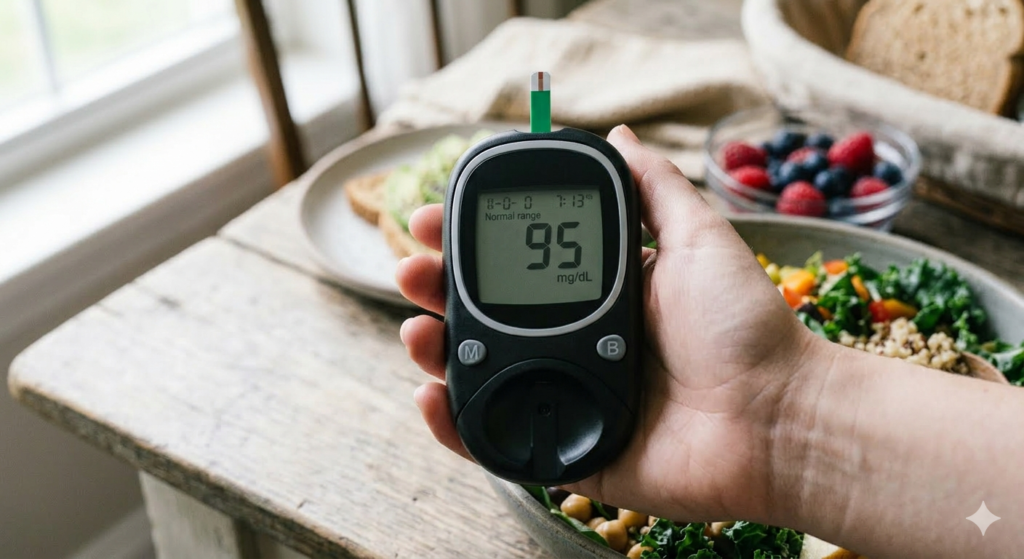
Understanding how food affects blood sugar levels is essential for maintaining good health, especially for people managing diabetes, weight, or energy levels. One of the most helpful tools for understanding this relationship is the glycemic index (GI). The glycemic index ranks foods based on how quickly they raise blood sugar after consumption.
Foods that digest quickly cause a rapid spike in blood sugar, while foods that digest slowly release glucose gradually into the bloodstream. By learning how the glycemic index works, individuals can make better food choices that support stable energy, improved metabolism, and overall health.
This guide explains the glycemic index in simple terms, why it matters, and how you can use it to build a healthier diet.
- What Is the Glycemic Index?
The glycemic index (GI) is a numerical system that measures how quickly carbohydrates in food raise blood sugar levels. Foods are ranked on a scale from 0 to 100, based on how they affect blood glucose compared to pure glucose, which has a GI of 100.
When you eat carbohydrates, your body breaks them down into glucose, which enters the bloodstream. However, not all carbohydrates behave the same way. Some foods release glucose rapidly, causing a quick spike in blood sugar, while others release it slowly and steadily.
Foods are typically categorized into three GI groups:
- Low GI foods: 55 or less
- Medium GI foods: 56–69
- High GI foods: 70 or higher
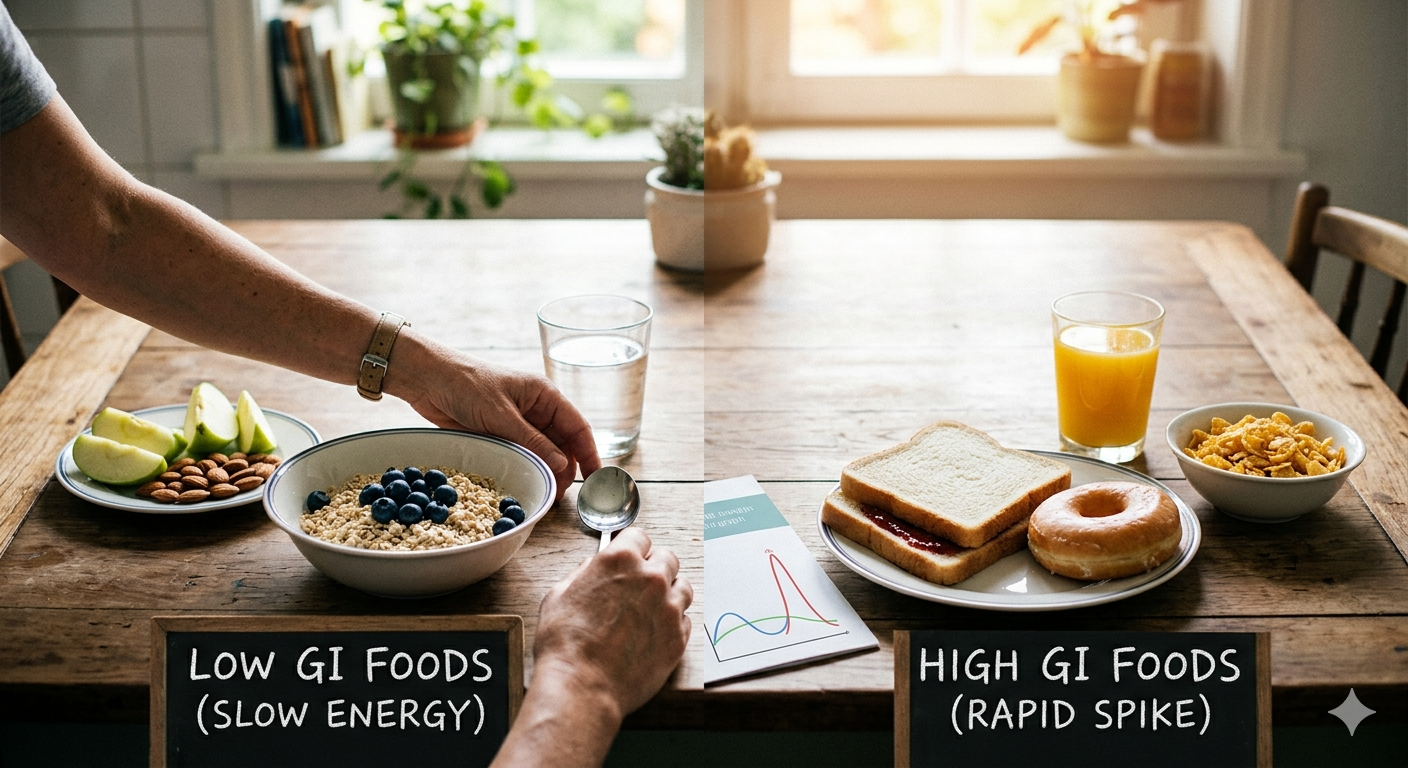
Low GI foods are digested more slowly, helping maintain stable blood sugar levels. High GI foods, on the other hand, can cause rapid increases in blood glucose followed by sudden drops, which may lead to fatigue and hunger.
The glycemic index is especially important for individuals with diabetes because it helps them choose foods that prevent sudden blood sugar spikes. However, it can also benefit anyone looking to maintain steady energy levels, improve heart health, or manage weight.
By understanding GI values, people can make smarter dietary decisions and support better long-term health.
- How the Glycemic Index Works
The glycemic index works by comparing how much a specific food raises blood sugar levels relative to pure glucose. Scientists measure this by feeding participants a portion of food containing a fixed amount of carbohydrates and then monitoring their blood glucose levels over time.
If a food causes a rapid increase in blood sugar, it receives a higher GI score. If it leads to a slower, gradual increase, it receives a lower GI score.
For example, foods like white bread and sugary snacks are digested quickly, resulting in a fast release of glucose into the bloodstream. This causes a sharp spike in blood sugar levels. On the other hand, foods such as whole grains, beans, and vegetables contain fiber and complex carbohydrates that slow digestion and glucose absorption.
Several factors influence a food’s glycemic index, including:
- The type of carbohydrate
- The amount of fiber
- Cooking methods
- Food processing
- The presence of fat or protein
For instance, a baked potato has a higher GI than a sweet potato because of differences in starch structure.
Understanding how the glycemic index works allows people to choose foods that maintain steady energy levels and prevent large fluctuations in blood sugar.
- Low Glycemic Index Foods
Low glycemic index foods are those that cause a slow and steady rise in blood sugar levels. These foods usually contain fiber, protein, or healthy fats, which slow digestion and help maintain stable glucose levels.
Examples of low GI foods include:
- Whole grains such as oats and barley
- Legumes like lentils and chickpeas
- Most fruits, including apples, pears, and berries
- Non-starchy vegetables such as broccoli, spinach, and carrots
- Nuts and seeds
Because these foods digest slowly, they help prevent sudden spikes and crashes in blood sugar. This leads to more stable energy levels throughout the day.
Low GI foods are particularly beneficial for people with diabetes because they help maintain better blood sugar control. They also support heart health, improve digestion, and promote longer feelings of fullness.
Incorporating more low GI foods into your diet can also help with weight management. Since they keep you full for longer periods, they reduce the likelihood of overeating or frequent snacking.
Overall, building meals around low GI foods is a smart way to support long-term health and maintain balanced energy levels.
- High Glycemic Index Foods
High glycemic index foods are foods that cause rapid increases in blood sugar levels. These foods are typically highly processed and contain refined carbohydrates or added sugars.
Examples of high GI foods include:
- White bread
- Sugary cereals
- White rice
- Cakes and pastries
- Candy and sugary drinks
- French fries and processed snacks
These foods digest quickly because they lack fiber and other nutrients that slow digestion. As a result, glucose enters the bloodstream rapidly, leading to a sharp rise in blood sugar.
After this spike, blood sugar levels often drop quickly, which may cause fatigue, hunger, and cravings for more sugary foods. Over time, frequent blood sugar spikes may contribute to insulin resistance, weight gain, and an increased risk of type 2 diabetes.
High GI foods are not necessarily harmful when eaten occasionally, but regular consumption can negatively affect metabolic health.
Limiting high GI foods and replacing them with whole, nutrient-rich options can significantly improve blood sugar control and overall health.
- Glycemic Index vs Glycemic Load
While the glycemic index measures how quickly a food raises blood sugar, it does not account for portion size. This is where glycemic load (GL) becomes important.
Glycemic load considers both:
- The glycemic index of the food
- The amount of carbohydrates in a serving
This provides a more accurate picture of how a food affects blood sugar levels.
For example, watermelon has a high glycemic index but contains relatively few carbohydrates per serving. Because of this, its glycemic load is actually low.
Glycemic load categories include:
- Low GL: 10 or less
- Medium GL: 11–19
- High GL: 20 or more
By considering glycemic load, individuals can make better dietary choices that balance both food quality and portion size.
Using both GI and GL together provides a more practical approach to blood sugar management.
- Why the Glycemic Index Matters
The glycemic index plays an important role in maintaining overall health. Foods that cause rapid blood sugar spikes can place stress on the body’s insulin system.
Over time, this may increase the risk of several health conditions, including:
- Type 2 diabetes
- Heart disease
- Obesity
- Metabolic syndrome
Low GI diets help maintain stable blood sugar levels, which can improve energy levels and reduce fatigue. They also help control hunger and prevent overeating.
Research suggests that diets rich in low GI foods may also reduce inflammation and support better cholesterol levels.
For individuals with diabetes, the glycemic index can be a valuable tool for managing blood sugar and preventing complications.
Even for people without diabetes, understanding the glycemic index can help create balanced meals that support long-term health.
- Factors That Affect Glycemic Index
The glycemic index of food can vary depending on several factors. One major factor is food processing. Highly processed foods often have higher GI values because processing removes fiber and breaks down carbohydrates.
Cooking methods also affect GI. For example, overcooking pasta can increase its glycemic index because it becomes easier to digest.
Ripeness is another factor. Fruits such as bananas have a higher GI when they are fully ripe because their natural sugars increase during the ripening process.
The combination of foods in a meal also affects blood sugar response. Eating carbohydrates with protein, fat, or fiber can slow glucose absorption.
For instance, pairing bread with peanut butter results in a slower blood sugar rise than eating bread alone.
Understanding these factors helps people make better dietary choices and manage blood sugar more effectively.
- Benefits of a Low Glycemic Diet
Following a low glycemic diet can offer several health benefits. One of the most significant advantages is improved blood sugar control, which is especially important for people with diabetes.
Low GI foods release energy slowly, helping maintain stable glucose levels throughout the day. This prevents sudden spikes and crashes that can lead to fatigue and irritability.
A low GI diet may also support weight management. Because these foods keep you feeling full longer, they reduce the likelihood of overeating.
Additionally, research suggests that low GI diets may improve heart health by lowering cholesterol levels and reducing inflammation.
People who follow low GI diets often report better energy levels and improved concentration.
Overall, focusing on low GI foods can contribute to better metabolic health and a reduced risk of chronic diseases.
- How to Use the Glycemic Index in Daily Life
Using the glycemic index in everyday life does not require strict dieting or complicated calculations. Instead, it involves making simple food swaps and choosing more whole foods.
Some practical tips include:
- Replace white bread with whole-grain bread
- Choose brown rice instead of white rice
- Snack on nuts, fruits, or yogurt instead of sugary snacks
- Add fiber-rich vegetables to every meal
Combining foods is another effective strategy. Pairing carbohydrates with protein or healthy fats can reduce the overall glycemic impact of a meal.
For example, adding avocado or eggs to toast can slow the digestion of carbohydrates.
Gradually incorporating these habits can make it easier to maintain balanced blood sugar levels without drastically changing your diet.
- Limitations of the Glycemic Index
Although the glycemic index is a useful tool, it does have limitations. One limitation is that GI values are measured under controlled laboratory conditions and may vary in real-world situations.
Different individuals may respond differently to the same food depending on factors such as metabolism, physical activity, and overall health.
Additionally, the glycemic index does not consider the nutritional quality of food. For example, chocolate may have a lower GI due to its fat content, but it is still high in calories and sugar.
This means the glycemic index should not be the only factor guiding food choices.
A balanced diet that includes whole grains, lean proteins, healthy fats, and plenty of fruits and vegetables remains the best approach to good nutrition.
Using the glycemic index as a guideline rather than a strict rule can help individuals make smarter and healthier food decisions.
Conclusion
The glycemic index is a valuable tool for understanding how different foods affect blood sugar levels. By choosing foods with lower GI values and balancing meals with fiber, protein, and healthy fats, individuals can maintain stable energy levels and improve overall health.
While the glycemic index is especially useful for people with diabetes, it can benefit anyone looking to build healthier eating habits.
Making small, consistent dietary changes—such as choosing whole grains, reducing processed foods, and focusing on balanced meals—can make a significant difference in long-term health and well-being.