


How to Lose Weight Safely on Keto (A Complete Guide for Beginners)
The ketogenic diet, or keto, has become one of the most popular diets for weight loss. Its focus on low carbohydrates, moderate protein, and high fat encourages the body to enter a metabolic state called ketosis, where fat becomes the primary source of energy. While the keto diet is effective, doing it incorrectly can lead to side effects like nutrient deficiencies, fatigue, and unsustainable results.
This guide explains how to lose weight safely on keto by combining proper meal planning, lifestyle habits, and professional guidance from dieticians. By understanding the science behind the diet and following practical steps, you can achieve sustainable fat loss and improve your overall health.
1. Understanding the Keto Diet (≈300 words)
The ketogenic diet is a low-carb, high-fat dietary approach designed to shift the body’s metabolism from using glucose to using fat as the primary fuel. Normally, when you eat carbohydrates, your body converts them into glucose, which is used for energy. Insulin is then released to help transport glucose into cells.
On keto, by drastically reducing carbs (usually to 20–50 grams per day), glucose availability decreases. This triggers the liver to produce ketones from stored fat, a process called ketosis, which provides an alternative energy source for the brain and muscles.
Ketosis is not just about burning fat; it also stabilizes blood sugar, reduces insulin spikes, and may improve insulin sensitivity over time. This is why keto is often recommended not only for weight loss but also for managing conditions like prediabetes and type 2 diabetes.
However, beginners often misunderstand the diet. Some focus solely on cutting carbs without getting enough fat, which can lead to fatigue, nutrient deficiencies, and slowed metabolism. Others overconsume protein, which may be converted to glucose, potentially slowing ketosis.
A proper understanding of keto helps you approach it safely, ensuring weight loss without harming energy levels or overall health. By combining this knowledge with structured meal planning, hydration, and exercise, you can achieve sustainable results.
2. Set Realistic Weight Loss Goals (≈300 words)
One of the most important steps before starting keto is setting realistic weight loss goals. Many beginners expect rapid results, but sustainable weight loss is gradual. Losing 1–2 pounds per week is considered safe for most adults.
Rapid weight loss may occur in the first week of keto, primarily due to water loss rather than fat loss. This can create a false sense of progress. Focusing only on the scale can lead to frustration and make you more likely to abandon the diet. Instead, track other indicators, such as changes in energy levels, waist measurements, clothing fit, and overall health markers.
Realistic goals also reduce the risk of negative side effects. For example, extreme calorie restriction or very low-carb intake can cause fatigue, muscle loss, and nutrient deficiencies. Gradual, consistent weight loss ensures the body adjusts to using fat as fuel while maintaining muscle mass.
Setting clear goals also helps you stay motivated. Break larger goals into smaller milestones, such as reducing 1–2 inches from your waist in a month or losing a certain percentage of body fat over 12 weeks. Celebrate progress in non-scale ways to maintain consistency.
Consulting a ketogenic dietician can help you set personalized goals based on your age, weight, activity level, and health conditions. With realistic expectations, you can enjoy steady weight loss without stress or disappointment.
3. Track Your Carbohydrate Intake Carefully (≈300 words)
On a ketogenic diet, tracking carbohydrates is crucial to achieving and maintaining ketosis. Typically, carbs make up only 5–10% of daily calories, roughly 20–50 grams per day. Exceeding this limit can prevent the body from entering ketosis, slowing fat loss.
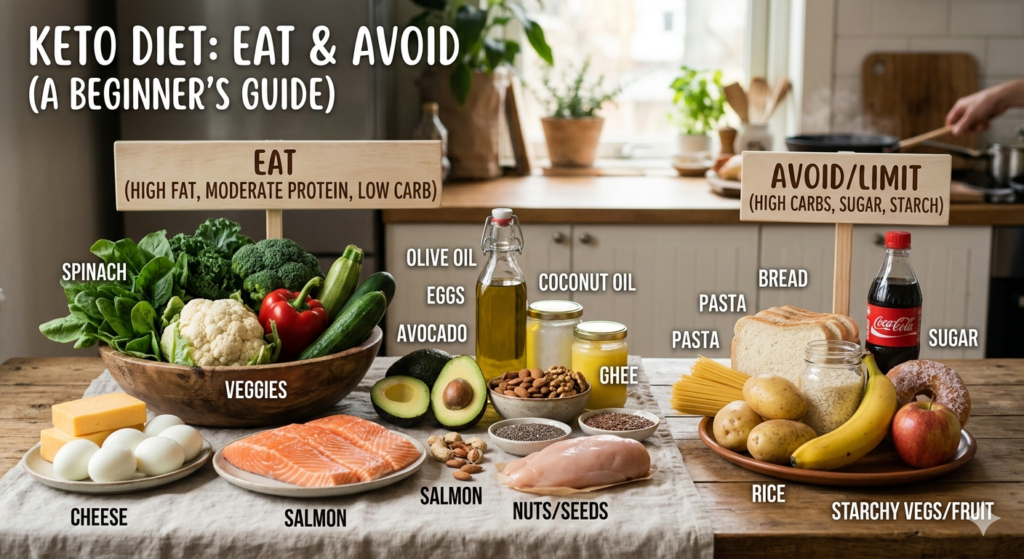
Tracking carbs also ensures you include nutrient-dense vegetables instead of processed low-carb foods. Leafy greens, zucchini, cauliflower, and broccoli are excellent low-carb options that provide fiber, vitamins, and minerals. Avoid sugary drinks, bread, pasta, rice, and starchy vegetables that can spike blood sugar and insulin.
Many beginners underestimate the carb content in foods. Condiments, sauces, and beverages often contain hidden sugars. Using apps or keeping a food diary helps monitor carb intake accurately and reveals patterns that may affect weight loss.
In addition to total carbs, tracking net carbs—total carbs minus fiber—is essential. Fiber does not impact blood sugar significantly and can aid digestion and satiety. Consistently staying within your carb limit ensures the body remains in ketosis, burning fat efficiently.
Regular tracking also provides awareness of portion sizes, preventing accidental overeating. Combined with a balanced intake of fats and protein, carb tracking is a key step in safe and effective weight loss on keto.
4. Prioritize Healthy Fats (≈300 words)
Fat is the cornerstone of the ketogenic diet, but not all fats are created equal. Healthy fats provide energy, satiety, and support heart and brain health, while unhealthy fats can increase inflammation and harm metabolism.
Focus on healthy sources such as avocados, olive oil, coconut oil, fatty fish (salmon, mackerel), nuts, and seeds. These fats provide essential fatty acids, fat-soluble vitamins, and antioxidants that support overall wellness.
Avoid trans fats, highly processed oils, and packaged snacks marketed as “keto” that may contain hydrogenated oils. These can undermine health and hinder weight loss.
Proper fat intake also helps prevent fatigue during the transition to ketosis. Many beginners experience the “keto flu”—symptoms like headache, nausea, and low energy—because fat intake is too low or electrolytes are not balanced.
Balancing fats with moderate protein and low carbs ensures that your body has sufficient energy while continuing to burn fat stores. Tracking fat intake as a percentage of calories (usually around 70–75% of daily calories) ensures you are getting enough without overdoing it, which could slow progress.
Healthy fats are not just for energy—they also improve satiety, reduce cravings, and make the keto diet sustainable in the long term.
5. Moderate Protein Intake (≈300 words)
Protein is essential for maintaining muscle mass, supporting metabolism, and repairing tissues, but on keto, moderation is key. Excess protein can lead to gluconeogenesis, where surplus protein converts to glucose, potentially disrupting ketosis.
A balanced keto diet generally consists of 20–25% protein, 5–10% carbohydrates, and 70–75% fats. Good protein sources include eggs, lean meats, poultry, dairy, and plant-based options like tofu and tempeh.
Overconsuming protein can also affect satiety signals, causing overeating or unbalanced nutrient intake. On the other hand, too little protein may lead to muscle loss, reduced metabolism, and fatigue.
Adjust protein intake based on your activity level. Active individuals or those doing strength training may require slightly more protein to maintain muscle mass while still remaining in ketosis.
Moderate protein intake ensures that your body efficiently burns fat for energy without compromising muscle preservation. Combined with healthy fats and low carbs, it supports sustainable, safe weight loss.