


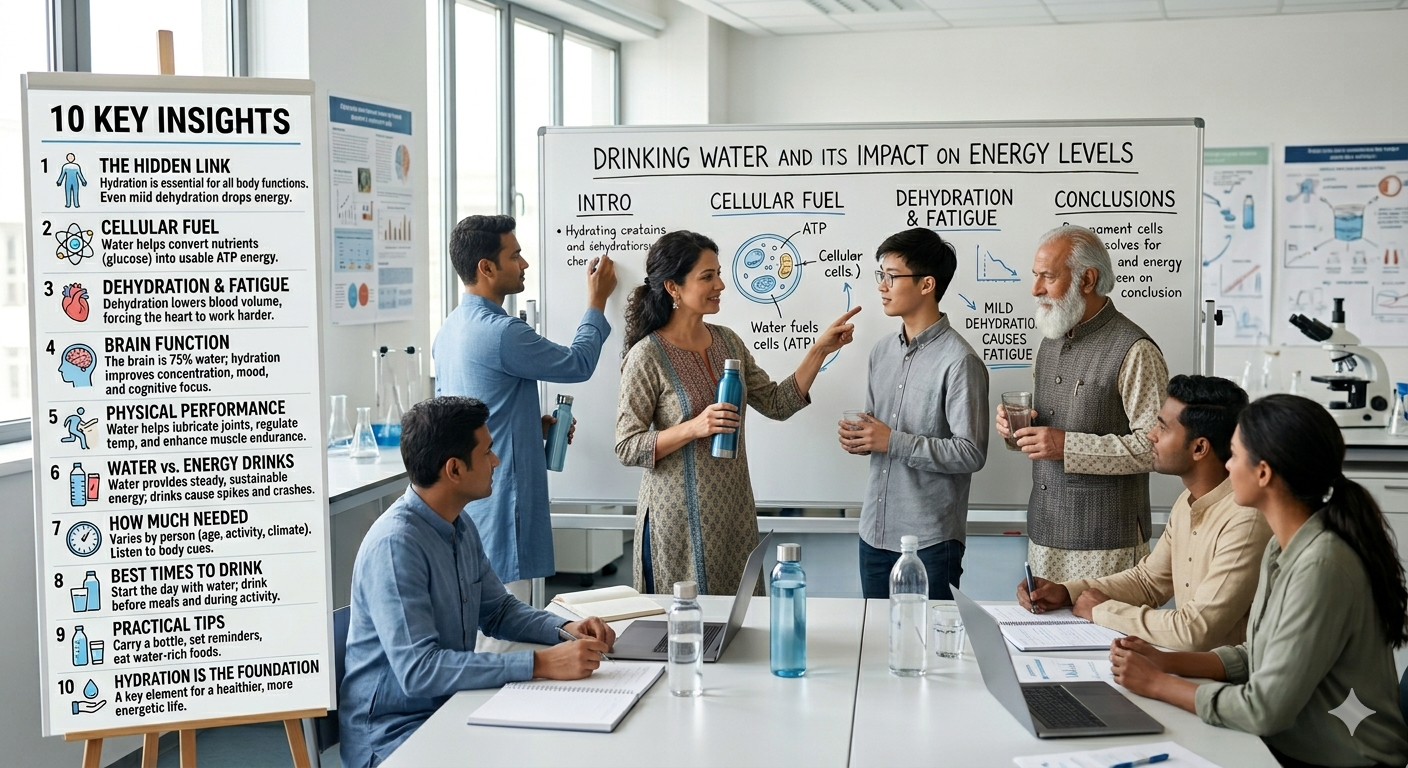
Drinking Water and Its Impact on Energy Levels
1. Introduction: The Hidden Link Between Hydration and Energy
Water is often overlooked when discussing energy levels, yet it plays a fundamental role in how our bodies function throughout the day. While people commonly rely on caffeine or sugar for quick boosts, hydration is a more sustainable and natural way to maintain consistent energy. Every cell, tissue, and organ in the body depends on water to operate efficiently, making it essential for both physical and mental performance.
Even mild dehydration can lead to noticeable drops in energy. When the body lacks adequate fluids, it struggles to carry out basic processes like circulation, temperature regulation, and nutrient transport. This results in feelings of fatigue, sluggishness, and reduced focus. Many individuals mistake dehydration for general tiredness, often turning to stimulants instead of addressing the root cause.
Understanding the connection between drinking water and energy levels can help individuals make smarter lifestyle choices. By prioritizing hydration, it is possible to improve productivity, enhance mood, and maintain stamina throughout the day without relying on temporary fixes.
2. How Water Fuels the Body at a Cellular Level
At the most basic level, water is essential for cellular function. Cells rely on water to maintain their structure and to facilitate chemical reactions that produce energy. One of the key processes involved is the production of ATP (adenosine triphosphate), which serves as the body’s primary energy currency.
Water helps transport nutrients like glucose, vitamins, and minerals into cells, where they are converted into usable energy. Without adequate hydration, this process becomes less efficient, leading to reduced energy production. Additionally, water plays a role in removing waste products that can accumulate and cause fatigue.
Electrolyte balance is another critical factor influenced by hydration. Proper levels of sodium, potassium, and other electrolytes are necessary for nerve function and muscle contractions. When hydration levels drop, this balance is disrupted, leading to weakness, cramps, and decreased performance.
By supporting these cellular processes, drinking enough water ensures that the body can generate and sustain energy effectively throughout the day.
3. Dehydration and Its Direct Impact on Fatigue
Dehydration is one of the most common yet underestimated causes of low energy. When the body loses more fluids than it takes in, blood volume decreases, making it harder for the heart to pump oxygen and nutrients to muscles and organs. This results in a feeling of tiredness and reduced endurance.
Even a small loss of body water—around 1–2%—can significantly impact energy levels. Symptoms may include dizziness, headaches, dry mouth, and difficulty concentrating. As dehydration worsens, these symptoms become more severe, affecting both physical and mental performance.
The body also has to work harder to regulate temperature when dehydrated, which can further drain energy. This is especially noticeable in hot climates or during physical activity, where fluid loss through sweat is higher.
Recognizing the signs of dehydration early and addressing them by drinking water can prevent unnecessary fatigue. Staying consistently hydrated helps maintain optimal body function and keeps energy levels stable throughout the day.
4. Hydration and Brain Function
The brain is highly sensitive to hydration levels, and even mild dehydration can impair cognitive performance. Since the brain is composed of approximately 75% water, it relies heavily on proper fluid balance to function efficiently.
When hydration levels drop, individuals may experience reduced concentration, slower reaction times, and difficulty with memory. This can lead to decreased productivity and mental fatigue, even if physical energy seems unaffected. Mood changes, such as irritability and increased stress, are also common.
Water supports the delivery of oxygen and essential nutrients to the brain, ensuring that it operates at peak efficiency. It also helps regulate neurotransmitters, which play a key role in maintaining alertness and focus.
By staying hydrated, individuals can improve mental clarity, enhance decision-making abilities, and sustain cognitive energy throughout the day. This makes drinking water an essential habit for students, professionals, and anyone engaged in mentally demanding tasks.
5. The Role of Water in Physical Performance
Physical energy is directly influenced by hydration levels. During exercise or daily activities, the body loses water through sweat, which must be replenished to maintain performance. Without adequate hydration, muscles fatigue more quickly, and endurance decreases.
Water helps lubricate joints, regulate body temperature, and transport oxygen to muscles. These functions are essential for maintaining strength and stamina. Dehydration, on the other hand, can lead to muscle cramps, reduced coordination, and an increased risk of injury.
Athletes and active individuals are particularly vulnerable to the effects of dehydration. Even slight fluid loss can result in noticeable declines in performance. This is why proper hydration before, during, and after physical activity is crucial.
Maintaining optimal hydration supports sustained physical energy, allowing individuals to perform better and recover faster. Whether it’s a workout or everyday tasks, drinking enough water ensures that the body remains strong and efficient.
6. Water vs Energy Drinks: What’s Better?
Many people turn to energy drinks or caffeinated beverages for a quick boost, but these are often short-lived solutions. While they may provide temporary alertness, they can also lead to energy crashes and dehydration due to their caffeine and sugar content.
Water, on the other hand, offers a steady and natural way to maintain energy levels. It supports the body’s internal processes without introducing stimulants or excess calories. Unlike sugary drinks, water does not cause spikes and crashes in blood sugar levels.
Additionally, relying on energy drinks can mask the underlying issue of dehydration. Instead of addressing the root cause, they provide a temporary fix that may worsen fatigue in the long run.
Choosing water as the primary source of hydration is a healthier and more sustainable approach. It helps maintain consistent energy levels without the negative side effects associated with other beverages.
7. How Much Water Do You Really Need?
The amount of water an individual needs can vary based on factors such as age, activity level, climate, and overall health. While the common recommendation is around 8 glasses per day, this is not a one-size-fits-all solution.
A more personalized approach is to consider body weight and lifestyle. For example, individuals who are physically active or live in hot environments may require more fluids to compensate for increased sweat loss. Similarly, certain health conditions may affect hydration needs.
Listening to the body’s signals is also important. Thirst, urine color, and frequency can provide valuable insights into hydration status. Light-colored urine typically indicates proper hydration, while darker shades suggest the need for more fluids.
By understanding individual needs and staying mindful of hydration habits, it becomes easier to maintain optimal energy levels and overall health.
8. Best Times to Drink Water for Maximum Energy
Timing can play a significant role in how effectively water supports energy levels. Starting the day with a glass of water helps rehydrate the body after hours of sleep and kickstarts metabolism. This simple habit can improve alertness and set a positive tone for the day.
Drinking water before meals can aid digestion and prevent overeating, while staying hydrated during meals supports nutrient absorption. Consuming water throughout the day, rather than in large amounts at once, ensures a steady supply of fluids.
Hydration is particularly important before, during, and after physical activity to maintain performance and prevent fatigue. Additionally, drinking water during periods of mental work can help sustain focus and productivity.
By strategically timing water intake, individuals can maximize its benefits and maintain consistent energy levels throughout the day.
9. Practical Tips to Stay Hydrated Daily
Maintaining proper hydration does not have to be complicated. Simple habits can make a significant difference in ensuring consistent water intake. Carrying a reusable water bottle, setting reminders, and incorporating water-rich foods like fruits and vegetables are effective strategies.
Flavored water, infused with natural ingredients like lemon or mint, can make hydration more enjoyable for those who struggle with plain water. Establishing routines, such as drinking a glass of water upon waking and before bed, can also help build consistency.
Monitoring hydration levels through urine color and paying attention to thirst cues are practical ways to stay on track. Avoiding excessive consumption of dehydrating beverages like alcohol and caffeine can further support hydration.
By making small, sustainable changes, individuals can develop habits that support long-term energy and overall well-being.
10. Conclusion: Hydration as a Foundation for Energy
Drinking water is one of the simplest yet most effective ways to maintain and improve energy levels. From supporting cellular function to enhancing brain performance and physical endurance, hydration plays a vital role in overall health.
Rather than relying on temporary solutions like caffeine or sugar, prioritizing water intake provides a stable and sustainable source of energy. It helps prevent fatigue, improves focus, and supports long-term well-being.
Incorporating proper hydration into daily routines is a small change with significant benefits. By recognizing the impact of water on energy levels, individuals can take proactive steps toward a healthier and more energized lifestyle.