

What to Look for in a Diabetes Weight Loss Program (A Complete Guide)
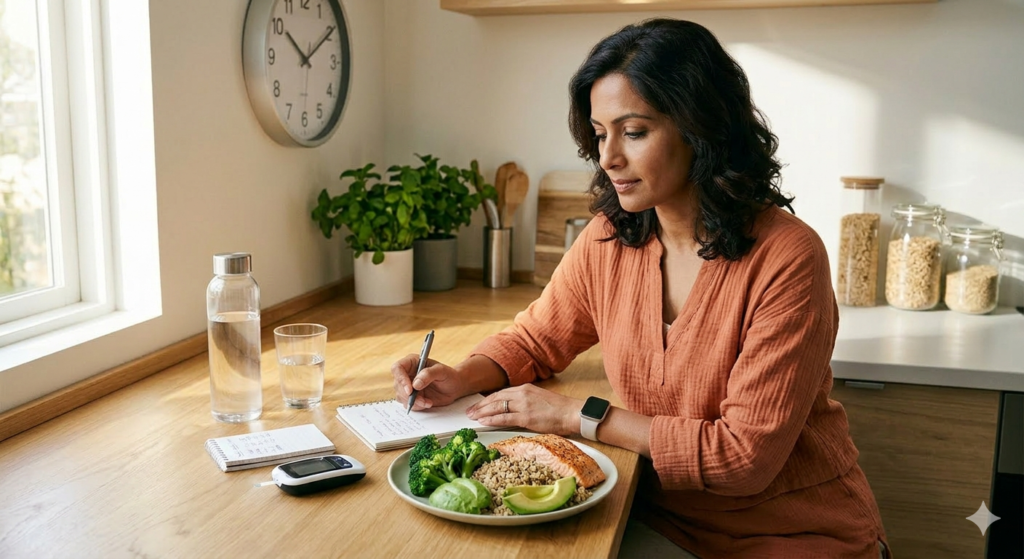
Managing diabetes while trying to lose weight can feel overwhelming. You’re not just counting calories—you’re balancing blood sugar levels, medications, energy, and long-term health risks. The truth is, not every weight loss program is suitable for someone with diabetes. In fact, choosing the wrong one can do more harm than good.
If you’re navigating this journey, the key is to find a program that works with your body—not against it. This guide will walk you through exactly what to look for in a diabetes-friendly weight loss program, so you can make a safe, sustainable, and effective choice.
Why Weight Loss Matters in Diabetes
Before diving into the “how,” it’s important to understand the “why.”
For people with diabetes—especially Type 2—losing even 5–10% of body weight can:
- Improve insulin sensitivity
- Lower blood sugar levels
- Reduce dependence on medication
- Decrease risk of complications (heart disease, nerve damage, etc.)
But here’s the catch: weight loss must be done strategically. Crash diets or extreme routines can cause dangerous blood sugar fluctuations.
1. A Personalized Approach (Not One-Size-Fits-All)
The first thing to look for is personalization.
Your body, lifestyle, and diabetes management plan are unique. A good program should consider:
- Your current blood sugar levels
- Type of diabetes (Type 1, Type 2, or prediabetes)
- Medications or insulin use
- Daily routine and eating habits
- Activity level
Programs that give generic meal plans or rigid rules often fail because they ignore individual needs.
👉 Look for programs that offer:
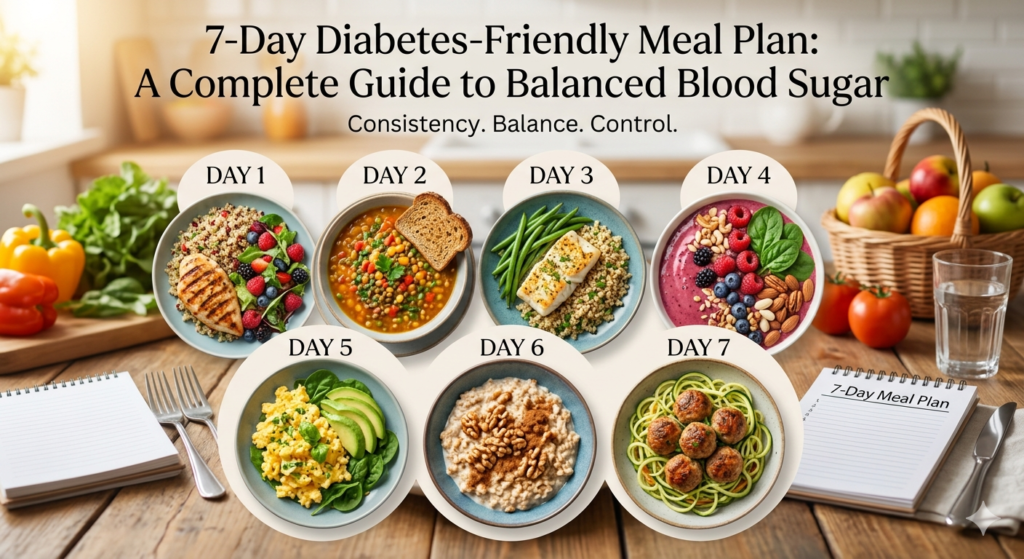
- Custom meal planning
- Flexible calorie targets
- Adjustments based on progress
2. Balanced Nutrition (Not Extreme Dieting)
A diabetes-friendly weight loss program should focus on balanced, sustainable eating—not extreme restrictions.
Avoid programs that:
- Eliminate entire food groups (like carbs completely)
- Promote very low-calorie diets without supervision
- Rely heavily on supplements or “miracle” foods
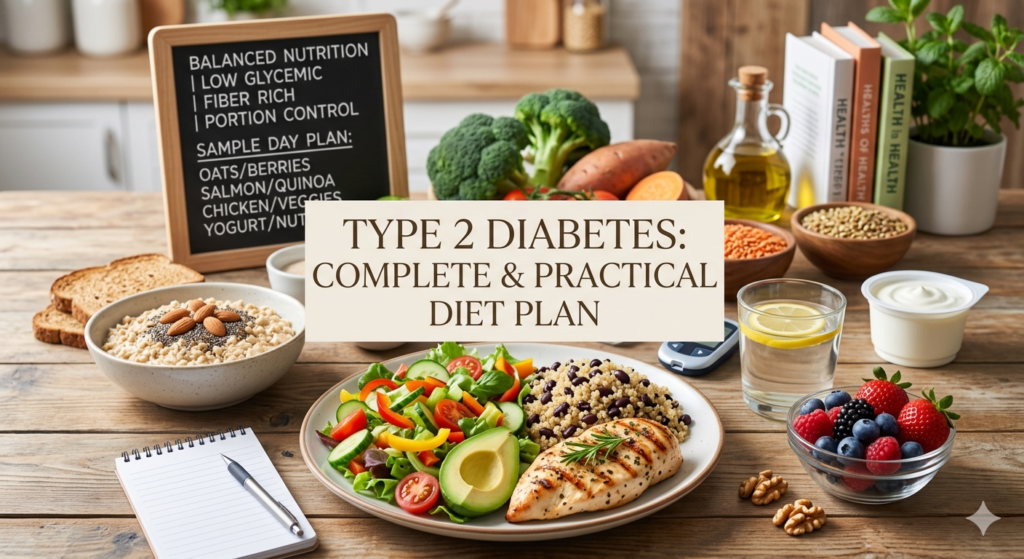
Instead, a good program will include:
✔ Controlled Carbohydrates
Carbs directly affect blood sugar. The goal isn’t to eliminate them—but to choose the right types:
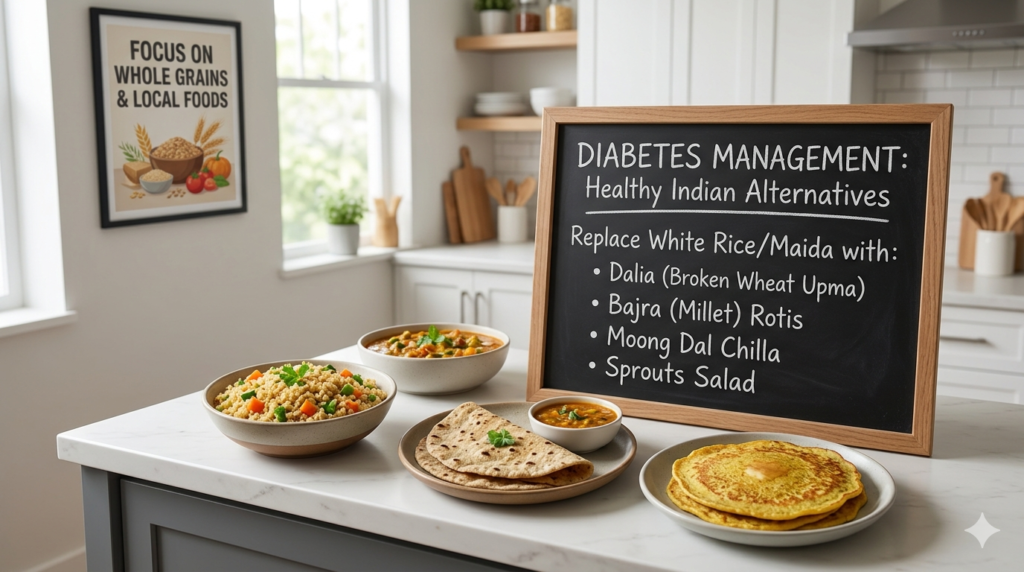
- Whole grains
- Vegetables
- Low-glycemic fruits
✔ Healthy Fats
- Nuts, seeds
- Olive oil
- Avocados
✔ Lean Proteins
- Eggs
- Chicken
- Fish
- Plant-based proteins
✔ Fiber-Rich Foods
Fiber slows down sugar absorption and keeps you full longer.
3. Focus on Blood Sugar Stability
This is where diabetes-specific programs differ from regular weight loss plans.
A good program should help you:
- Avoid blood sugar spikes (hyperglycemia)
- Prevent sudden drops (hypoglycemia)
- Maintain consistent energy levels
Key features to look for:
- Low glycemic index (GI) food recommendations
- Meal timing guidance
- Snack planning (to prevent sugar crashes)
If a program ignores blood sugar tracking, it’s not designed for diabetes.
4. Integration with Medical Care
Weight loss with diabetes isn’t just a lifestyle change—it’s a medical journey.
A reliable program should encourage:
- Regular check-ins with your doctor
- Medication adjustments if needed
- Blood sugar monitoring
⚠️ Red flag: Any program that tells you to stop medication without medical advice.
5. Realistic and Sustainable Goals
Let’s be honest—fast weight loss sounds tempting. But for diabetes, slow and steady wins every time.
Healthy expectations:
- 0.5 to 1 kg per week
- Gradual fat loss, not muscle loss
- Long-term habit building
Programs promising:
- “Lose 10 kg in 10 days”
- “Guaranteed results without effort”
👉 These are not just unrealistic—they’re risky.
6. Exercise That Supports Blood Sugar Control
Physical activity is a game-changer for both weight loss and diabetes management.
But again, it must be done smartly.
A good program includes:
✔ Combination of Exercises
- Cardio: Walking, cycling, swimming
- Strength training: Builds muscle and improves insulin sensitivity
- Flexibility & mobility: Yoga or stretching
✔ Safe Progression
- Beginner-friendly plans
- Gradual increase in intensity
✔ Blood Sugar Awareness
- When to exercise (not during very low/high sugar levels)
- Pre/post workout nutrition guidance
7. Behavioral and Lifestyle Coaching
Weight loss is not just physical—it’s mental and emotional.
The best programs address:
- Emotional eating
- Stress management
- Sleep patterns
- Consistency challenges
Look for:
- Coaching or counseling support
- Habit-building strategies
- Accountability systems
Because the biggest challenge isn’t starting—it’s sticking with it.
8. Education, Not Just Instructions
A great diabetes weight loss program doesn’t just tell you what to do—it teaches you why.
This includes:
- Understanding food labels
- Carb counting basics
- Portion control
- Recognizing blood sugar patterns
The more you understand your body, the more control you have.
9. Flexibility for Real Life
Let’s be real—you won’t always eat perfect meals or follow a strict routine.
Your program should allow:
- Occasional indulgences
- Eating out strategies
- Travel-friendly options
If a plan is too rigid, it won’t last.
10. Progress Tracking Beyond the Scale
Weight is just one part of the story.
A good program tracks:
- Blood sugar levels
- HbA1c improvements
- Energy levels
- Waist circumference
- Strength and fitness
Because sometimes, your health improves before the scale shows it.
11. Safety First: Avoid These Red Flags
When choosing a program, stay away from:
🚫 Extremely low-calorie diets (without supervision)
🚫 Detox or “cleanse” programs
🚫 Supplements claiming to “cure” diabetes
🚫 Programs ignoring medical advice
🚫 Zero-carb or highly restrictive diets
These can lead to:
- Dangerous sugar fluctuations
- Nutrient deficiencies
- Long-term health issues
12. Community and Support System
Having support can make a huge difference.
Look for programs that offer:
- Community groups
- Peer support
- Progress sharing
- Motivation systems
Because doing it alone is harder than it needs to be.
13. Technology Integration (Optional but Helpful)
Modern programs often include:
- Apps for tracking meals and sugar levels
- Wearables for activity tracking
- Online coaching
These tools can:
- Increase accountability
- Provide real-time insights
- Make tracking easier
Final Thoughts
Choosing the right diabetes weight loss program isn’t about finding the fastest results—it’s about finding the safest and most sustainable path.
The ideal program should:
- Respect your body’s needs
- Support stable blood sugar levels
- Build lifelong habits
- Work alongside your medical care
Remember, this isn’t just about losing weight—it’s about gaining control over your health, your energy, and your future.
Quick Checklist
Before committing to any program, ask yourself:
✔ Is it personalized?
✔ Does it support blood sugar control?
✔ Is it medically safe?
✔ Are the goals realistic?
✔ Can I sustain this long-term?
If the answer is “yes” to most of these—you’re on the right track.