

Keto vs Low-Carb: What’s the Difference? (Complete Guide for Beginners)
In recent years, low-carb diets have taken over the health and fitness space. Among them, the ketogenic diet has gained massive popularity, often being confused with a standard low-carb diet. While both approaches focus on reducing carbohydrate intake, they are not the same. Understanding the difference between keto and low-carb is essential if you want to choose the right diet for your body, lifestyle, and goals.
This article breaks down the differences in a simple, practical, and science-backed way so you can make an informed decision.
1. What Is a Low-Carb Diet?
A low-carb diet is a flexible eating approach that reduces carbohydrate intake compared to a typical diet. Instead of focusing heavily on carbs like rice, bread, and sugar, it prioritizes protein, healthy fats, and vegetables. However, unlike strict diets, there is no single definition of “low-carb.”
Generally, a low-carb diet allows anywhere between 50 to 150 grams of carbohydrates per day. This means you can still eat fruits, some grains, and even occasional treats while maintaining a lower carb intake. It is more about balance than restriction.
People choose low-carb diets for various reasons, including weight loss, improved blood sugar control, and better energy levels. Since it is less restrictive, it is easier for beginners to follow and sustain long-term.
The flexibility of a low-carb diet makes it suitable for a wide range of individuals, including those who want gradual lifestyle changes rather than extreme dietary shifts. It allows room for personalization, which is one of its biggest advantages.
2. What Is a Ketogenic (Keto) Diet?
The ketogenic diet, or keto, is a much stricter form of a low-carb diet designed to put your body into a metabolic state called ketosis. In ketosis, your body burns fat for fuel instead of carbohydrates.
To achieve this state, carbohydrate intake is drastically reduced, usually to around 20–50 grams per day. At the same time, fat intake is significantly increased, making up about 70–80% of daily calories, with moderate protein consumption.
This shift forces the body to produce ketones, which become the primary energy source. The keto diet is not just about eating fewer carbs—it is about completely changing how your body generates energy.
Because of its strict structure, keto requires careful planning and tracking. Even small amounts of extra carbs can knock the body out of ketosis, making consistency extremely important.
3. Key Difference: Carbohydrate Intake
The most obvious difference between keto and low-carb diets lies in carbohydrate consumption. While both reduce carbs, the degree of restriction is what sets them apart.
A low-carb diet allows a moderate intake of carbs, typically up to 100–150 grams per day depending on individual goals. This means you can still include foods like fruits, legumes, and whole grains in controlled portions.
On the other hand, the keto diet is extremely restrictive, often limiting carbs to under 50 grams per day. This level of restriction eliminates most carb-rich foods, including many fruits, grains, and even some vegetables.
This difference plays a major role in how each diet affects the body. While low-carb diets reduce insulin spikes and improve metabolic health, keto pushes the body into a completely different metabolic state.
For many people, this strict limitation is the biggest challenge of following keto compared to a low-carb diet.
4. The Role of Ketosis
Ketosis is the defining factor that separates keto from a standard low-carb diet. It is a metabolic state where the body burns fat instead of glucose for energy.
In a low-carb diet, your body still relies on glucose as its primary fuel source, even though carb intake is reduced. There is no requirement to enter ketosis, and most people do not.
In contrast, the keto diet is specifically designed to induce and maintain ketosis. This requires strict carb control, adequate fat intake, and consistency.
When in ketosis, the body produces ketones from fat, which are used as fuel by the brain and muscles. This is why keto is often associated with rapid fat loss and stable energy levels.
However, achieving ketosis takes time and discipline, and not everyone finds it easy or necessary for their health goals.
5. Macronutrient Breakdown
Another major difference between keto and low-carb diets is how macronutrients—carbohydrates, proteins, and fats—are distributed.
A typical low-carb diet might consist of 20–30% carbs, 30–40% protein, and 30–40% fat. This balance allows for a variety of foods and makes the diet easier to follow without strict calculations.
In contrast, the keto diet has a very specific macronutrient ratio. Around 70–80% of calories come from fat, 10–20% from protein, and only 5–10% from carbohydrates.
This high-fat requirement often surprises beginners. Foods like butter, cheese, nuts, and oils become staples, while protein intake must be controlled to avoid disrupting ketosis.
The structured nature of keto requires more tracking and awareness, whereas low-carb diets offer more flexibility in daily food choices.
6. Weight Loss: Keto vs Low-Carb
Both keto and low-carb diets are effective for weight loss, but they work in slightly different ways.
Low-carb diets help reduce calorie intake by limiting high-carb, processed foods. They also improve satiety, meaning you feel fuller for longer, which naturally reduces overeating.
Keto, on the other hand, often leads to faster initial weight loss. This is partly due to water loss when glycogen stores are depleted, as well as increased fat burning in ketosis.
In the long term, both diets can be equally effective if followed consistently. The key difference lies in sustainability. Many people find low-carb diets easier to maintain, while keto may feel too restrictive over time.
Ultimately, the best diet for weight loss is the one you can stick to consistently.
7. Health Benefits and Risks
Both diets offer several health benefits, especially when compared to high-carb, processed diets. These include improved blood sugar control, reduced cravings, and better metabolic health.
Keto has been studied for its potential benefits in managing conditions like epilepsy, type 2 diabetes, and even certain neurological disorders. Its ability to stabilize blood sugar levels makes it particularly useful for some individuals.
Low-carb diets also provide similar benefits but with fewer restrictions, making them more accessible for a broader audience.
However, keto may come with side effects such as “keto flu,” nutrient deficiencies, and digestive issues if not planned properly. Low-carb diets are generally safer and easier to balance nutritionally.
Choosing between the two depends on your health goals and how your body responds to dietary changes.
8. Sustainability and Lifestyle Fit
One of the most important factors when choosing a diet is sustainability. A diet is only effective if you can follow it long-term.
Low-carb diets are easier to maintain because they allow more food variety and flexibility. You can eat out, attend social events, and still stay within your dietary goals without feeling restricted.
Keto, on the other hand, requires strict adherence. Even small deviations can disrupt ketosis, making it harder to maintain consistency.
For people with busy lifestyles, frequent travel, or social commitments, low-carb diets often fit better into daily routines.
However, some individuals enjoy the structure of keto and find it easier to follow once they adapt to the rules.
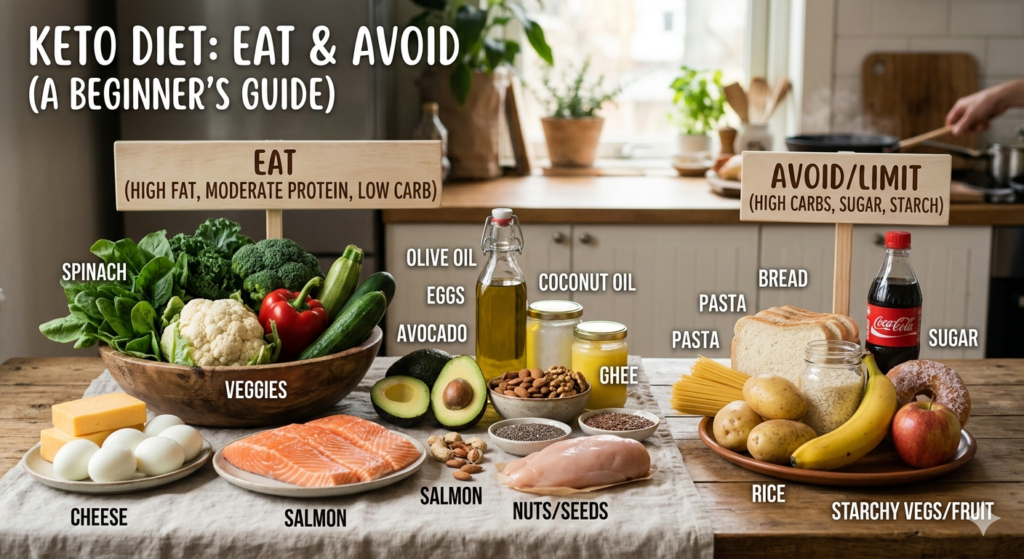
9. Food Choices: What You Can Eat
Food choices differ significantly between keto and low-carb diets, even though they share some similarities.
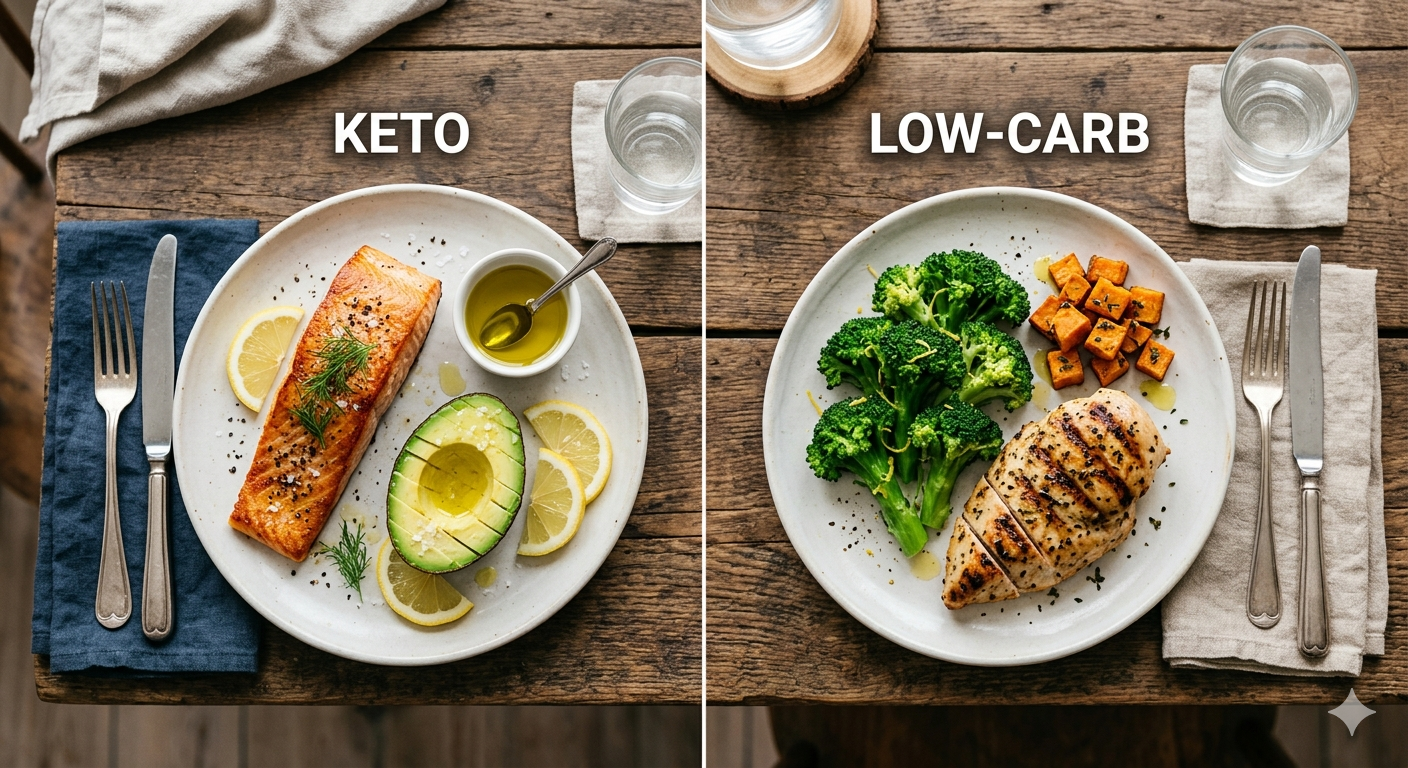
On a low-carb diet, you can enjoy lean meats, vegetables, nuts, dairy, and moderate amounts of fruits and whole grains. It allows for a balanced plate with fewer restrictions.
In contrast, keto focuses heavily on high-fat foods like avocados, butter, oils, fatty cuts of meat, and cheese. Carb-rich foods such as rice, bread, and most fruits are strictly limited.
Even some healthy foods like bananas and potatoes are avoided on keto due to their high carb content.
This difference in food choices can impact how enjoyable and practical each diet feels, especially for beginners.
10. Who Should Choose Keto vs Low-Carb?
Choosing between keto and low-carb depends on your personal goals, health conditions, and lifestyle.
Keto may be suitable for individuals looking for rapid fat loss, better blood sugar control, or therapeutic benefits under professional guidance. It is also preferred by people who enjoy structured eating patterns.
Low-carb diets are ideal for beginners, those looking for gradual weight loss, or individuals who want a balanced and flexible approach to healthy eating.
If you are new to dieting, starting with a low-carb approach is often recommended before transitioning to keto if needed.
Consulting a nutritionist or dietician can also help you choose the right approach based on your individual needs.
11. Final Verdict: Which Is Better?
There is no one-size-fits-all answer when it comes to keto vs low-carb diets. Both have their advantages and can be effective for weight loss and overall health.
Keto is more structured and can deliver faster results, but it requires strict discipline and careful planning. Low-carb diets offer flexibility, making them easier to sustain in the long run.
The best choice depends on your lifestyle, preferences, and how your body responds to each approach.
Instead of focusing on which diet is “better,” it is more important to choose one that aligns with your goals and is sustainable for you. Consistency always matters more than perfection.