


Foods to Avoid If You Have Diabetes
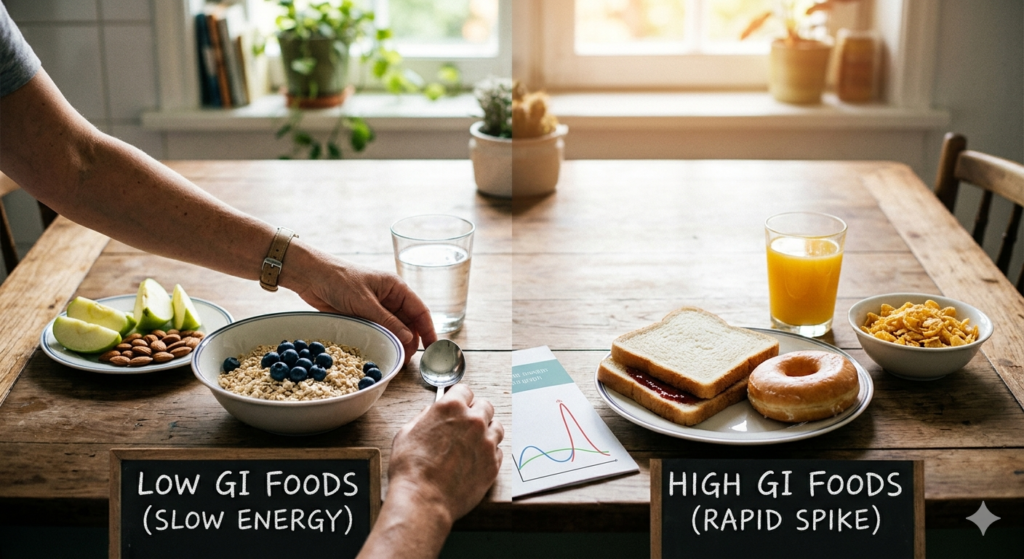
Managing diabetes requires more than just medication—it demands mindful eating habits. The food choices you make every day play a crucial role in controlling blood sugar levels. Certain foods can cause sudden spikes in glucose levels, increasing the risk of complications such as heart disease, nerve damage, and kidney issues.
For people living with diabetes, understanding which foods to avoid is just as important as knowing what to eat. Many common foods that seem harmless may contain high amounts of sugar, refined carbohydrates, or unhealthy fats that negatively affect blood sugar control.
This guide highlights the top foods diabetics should avoid and explains why they can be harmful. By learning about these foods and choosing healthier alternatives, individuals with diabetes can maintain stable blood sugar levels and improve overall health.
- Sugary Beverages
Sugary beverages are one of the worst choices for people with diabetes. Drinks such as soda, energy drinks, sweetened tea, and flavored coffees contain extremely high amounts of sugar and carbohydrates. These beverages cause rapid spikes in blood glucose levels because the body absorbs liquid sugar much faster than solid food.
For example, a single can of soda may contain more than 35–40 grams of sugar, which is already higher than the recommended daily sugar intake for many individuals. Since these drinks lack fiber, protein, or healthy fats, they provide little nutritional value and mainly contribute to increased blood sugar levels.
Frequent consumption of sugary beverages is also linked to weight gain and insulin resistance, which can worsen diabetes management. Additionally, these drinks can increase the risk of heart disease and metabolic disorders.
Instead of sugary beverages, people with diabetes should opt for healthier alternatives like water, sparkling water, unsweetened tea, or infused water with lemon or cucumber. These options help keep the body hydrated without causing harmful blood sugar spikes.
Reducing sugary drinks is one of the simplest and most effective steps in controlling diabetes and maintaining long-term health.
- Refined Carbohydrates
Refined carbohydrates are another category of foods that people with diabetes should limit or avoid. These include white bread, white rice, pasta made from refined flour, and many packaged snack foods. During processing, refined carbohydrates lose most of their fiber, vitamins, and minerals.
Without fiber, the body digests these foods quickly, leading to rapid increases in blood sugar levels. This sudden spike can make it difficult for the body to regulate glucose effectively, especially for individuals with diabetes.
Regular consumption of refined carbohydrates can also contribute to weight gain and increased insulin resistance. Over time, this may worsen blood sugar control and increase the risk of diabetes-related complications.
Instead of refined grains, it is better to choose whole grains such as brown rice, quinoa, oats, and whole wheat bread. Whole grains contain fiber, which slows digestion and helps stabilize blood sugar levels.
Portion control is also important. Even healthier carbohydrates should be consumed in moderate amounts to maintain balanced glucose levels.
By replacing refined carbs with whole, fiber-rich options, individuals with diabetes can enjoy more stable energy levels and improved overall health.
- White Bread and Baked Goods
White bread, pastries, cakes, and many baked goods are highly problematic for people with diabetes. These foods are typically made from refined flour and contain large amounts of added sugar.
When consumed, white bread quickly converts into glucose in the bloodstream, causing a rapid spike in blood sugar levels. Similarly, baked goods like muffins, donuts, and croissants contain a combination of refined carbohydrates, sugar, and unhealthy fats.
This combination makes them particularly harmful for blood sugar management. Additionally, these foods are often calorie-dense but nutritionally poor, meaning they provide little benefit to the body.
Frequent consumption of baked goods can lead to weight gain and increased insulin resistance, making diabetes harder to control.
People with diabetes should consider healthier alternatives such as whole-grain bread, almond flour baked goods, or homemade low-sugar snacks. These options provide more fiber and nutrients while having a lower impact on blood sugar levels.
Reducing intake of white bread and sugary baked goods can significantly help maintain stable blood glucose levels and support long-term diabetes management.
- Fried Foods
Fried foods such as french fries, fried chicken, and deep-fried snacks are another category that people with diabetes should avoid. These foods are typically high in unhealthy fats and calories, which can contribute to weight gain and increased insulin resistance.
While fried foods may not always contain high amounts of carbohydrates, the unhealthy fats they contain can negatively affect heart health. People with diabetes already have a higher risk of cardiovascular disease, making fried foods particularly harmful.
Deep frying also increases the calorie density of foods, which can lead to overeating and poor weight management. Maintaining a healthy weight is essential for effective diabetes control.
Instead of fried foods, individuals should consider cooking methods such as baking, grilling, steaming, or air frying. These techniques reduce excess fat while preserving flavor and nutrients.
Choosing lean proteins, vegetables, and healthy cooking methods can help people with diabetes maintain balanced blood sugar levels and improve overall health.
Reducing fried foods not only supports diabetes management but also lowers the risk of heart disease and other health complications.
- Sweetened Breakfast Cereals
Many breakfast cereals appear healthy but contain large amounts of added sugar and refined carbohydrates. For individuals with diabetes, starting the day with sugary cereal can lead to a rapid spike in blood sugar levels.
Some cereals contain more than 20 grams of sugar per serving, which is comparable to eating dessert for breakfast. Since these cereals often lack sufficient fiber or protein, they fail to provide long-lasting energy.
This can lead to a quick rise and fall in blood sugar levels, leaving individuals feeling hungry soon after eating.
A better alternative is choosing whole-grain cereals with no added sugar. Options such as oatmeal, steel-cut oats, or high-fiber cereals can provide sustained energy and help regulate blood glucose.
Adding protein sources like nuts, seeds, or Greek yogurt can further improve blood sugar stability.
By making smarter breakfast choices, people with diabetes can start their day with balanced energy levels and better glucose control.
- Candy and Sweets
Candy, chocolates, and sugary desserts are obvious foods that people with diabetes should avoid. These foods contain concentrated amounts of sugar that can cause immediate spikes in blood glucose levels.
Unlike natural foods, candy typically contains little to no fiber, protein, or healthy fats. This means the sugar enters the bloodstream quickly, making it difficult to maintain stable blood sugar levels.
Regular consumption of sweets can also lead to weight gain, which may worsen insulin resistance and make diabetes management more challenging.
While occasional treats may be acceptable in small amounts, they should be consumed carefully and balanced with other nutrients.
Healthier alternatives include dark chocolate with high cocoa content, fresh fruits, or sugar-free desserts made with natural sweeteners.
Practicing moderation and making healthier choices can help people with diabetes satisfy cravings without compromising blood sugar control.
- Processed Snack Foods
Processed snack foods such as chips, crackers, and packaged snacks are often high in refined carbohydrates, unhealthy fats, and sodium. These foods provide minimal nutritional value and can negatively impact blood sugar levels.
Because they are highly processed, these snacks are usually digested quickly, leading to rapid glucose spikes. Additionally, they are often designed to be highly palatable, making it easy to overconsume them.
Frequent snacking on processed foods can contribute to weight gain and increased insulin resistance.
A healthier approach is choosing whole-food snacks such as nuts, seeds, yogurt, or fresh vegetables with hummus. These options provide essential nutrients and help maintain stable blood sugar levels.
Mindful snacking can make a significant difference in diabetes management and overall health.
- Flavored Yogurt
While yogurt can be a healthy food, flavored yogurts often contain large amounts of added sugar. Some flavored varieties may contain as much sugar as a dessert.
For people with diabetes, this hidden sugar can lead to unexpected spikes in blood glucose levels.
Plain yogurt, especially Greek yogurt, is a much better choice because it contains protein and beneficial probiotics without excessive sugar.
Individuals can add natural sweetness by mixing in fresh fruits, cinnamon, or nuts instead of choosing pre-sweetened versions.
Making this simple switch can significantly improve blood sugar control while still allowing people to enjoy yogurt as part of a healthy diet.
- Dried Fruits
Although fruits are generally healthy, dried fruits can be problematic for people with diabetes. During the drying process, most of the water is removed, which concentrates the sugar content.
This means a small serving of dried fruit may contain significantly more sugar than fresh fruit.
Because they are easy to overeat, dried fruits can lead to rapid increases in blood sugar levels.
Fresh fruits, especially those with lower glycemic indexes such as berries, apples, and pears, are usually better choices.
If dried fruits are consumed, they should be eaten in small portions and ideally paired with protein or healthy fats to slow sugar absorption.
- Alcoholic Drinks
Alcohol can have unpredictable effects on blood sugar levels. Some alcoholic drinks contain high amounts of sugar, particularly cocktails, flavored liquors, and sweet wines.
Additionally, alcohol can interfere with the liver’s ability to regulate blood glucose levels. In some cases, it may even cause dangerously low blood sugar levels.
People with diabetes should be cautious with alcohol consumption and consult their healthcare provider about safe limits.
If alcohol is consumed, it is best to choose low-sugar options and drink in moderation while eating food.
Responsible alcohol consumption is important for maintaining stable blood sugar levels and protecting overall health.
Conclusion
Living with diabetes does not mean giving up all enjoyable foods, but it does require making smarter dietary choices. Avoiding foods high in sugar, refined carbohydrates, and unhealthy fats can significantly improve blood sugar control.
By focusing on whole foods, balanced meals, and mindful eating habits, people with diabetes can manage their condition effectively and reduce the risk of complications.
Small dietary changes made consistently over time can lead to significant improvements in health and quality of life.