


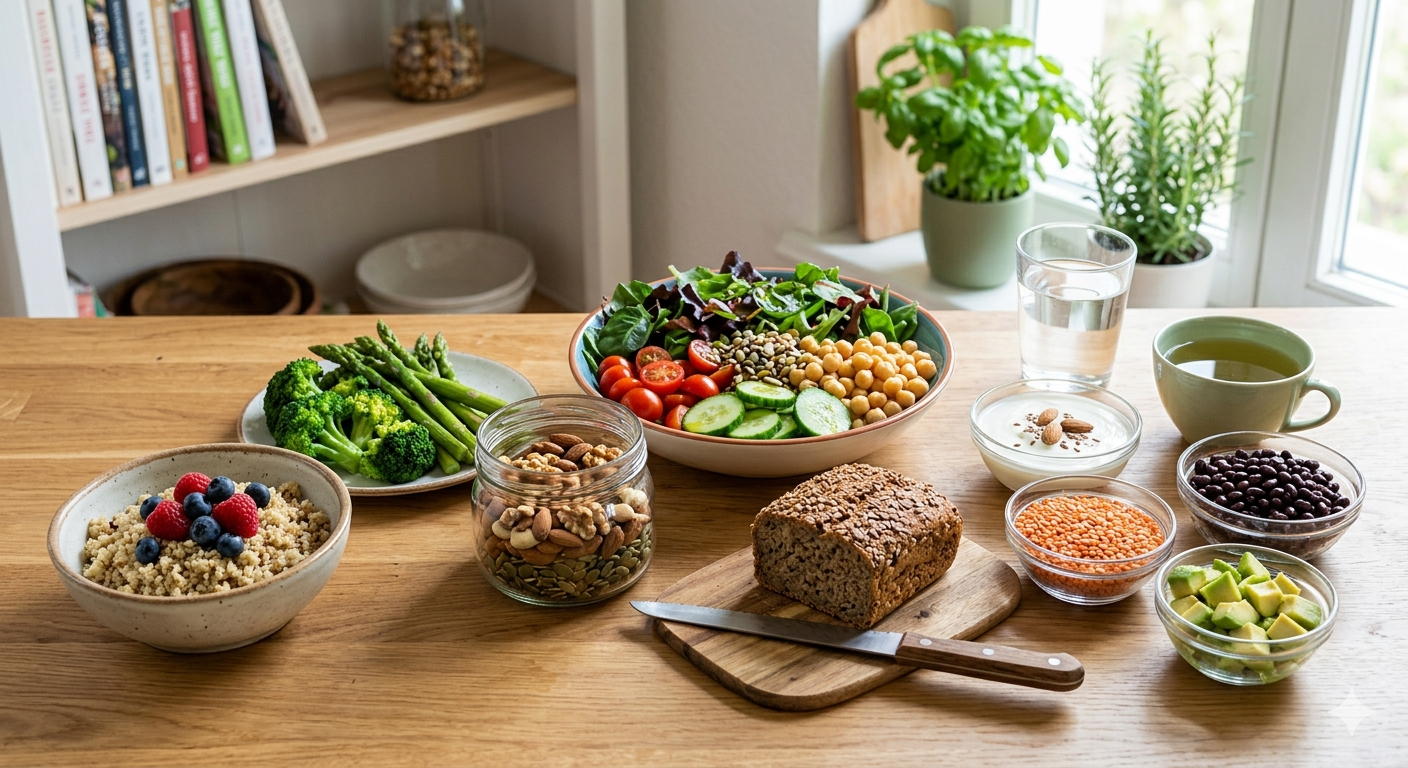
Low-Glycemic Foods for Better Insulin Control: A Complete Guide
Maintaining healthy insulin levels is essential for overall metabolic health. Insulin, the hormone responsible for regulating blood sugar, can be significantly influenced by diet. Consuming high-glycemic foods causes rapid spikes in blood sugar, leading to increased insulin production. Over time, this may contribute to insulin resistance, type 2 diabetes, and weight gain.
In contrast, low-glycemic foods release glucose slowly, promoting steady blood sugar levels, reducing insulin spikes, and supporting long-term health. This guide explores the best low-glycemic foods and how to incorporate them into your daily diet.
1. Understanding Glycemic Index and Insulin Response
The Glycemic Index (GI) measures how quickly a food raises blood sugar levels after consumption. Foods with a high GI cause rapid blood sugar spikes, prompting the pancreas to release more insulin. Chronic high insulin levels can lead to insulin resistance, a key factor in type 2 diabetes.
Low-GI foods, typically below 55 on the scale, release glucose gradually, resulting in minimal insulin surges. Choosing foods with a low glycemic index helps maintain steady energy, reduce hunger, and prevent fat storage triggered by excessive insulin.
Understanding GI allows you to select meals that support insulin sensitivity and long-term metabolic health. Pairing low-GI foods with fiber, protein, and healthy fats can further stabilize blood sugar levels and improve satiety.
2. The Importance of Insulin Control
Proper insulin control is vital for maintaining weight, energy, and preventing metabolic diseases. When insulin levels remain high due to frequent blood sugar spikes, the body is more likely to store excess glucose as fat, particularly in the abdominal region.
Consistently elevated insulin levels can also impair fat burning, making weight loss more difficult. Managing insulin through diet reduces the risk of type 2 diabetes, heart disease, and metabolic syndrome.
Low-glycemic foods play a crucial role in this process by preventing sudden blood sugar rises and helping the pancreas function efficiently. Over time, a diet rich in low-GI foods can improve insulin sensitivity and reduce cravings caused by rapid glucose fluctuations.
3. Whole Grains for Steady Blood Sugar
Whole grains are rich in fiber and have a lower glycemic index compared to refined grains. Foods like oats, quinoa, barley, and brown rice release glucose slowly, supporting steady insulin levels.
Fiber in whole grains slows digestion, reduces blood sugar spikes, and increases satiety, which helps prevent overeating. Quinoa, for instance, is a complete protein with a GI of around 53, making it ideal for those aiming for insulin control.
Replacing white rice, white bread, and pasta with whole grains is an effective strategy to manage blood sugar and reduce the risk of insulin resistance over time.
4. Legumes and Pulses
Legumes like lentils, chickpeas, black beans, and kidney beans are excellent low-glycemic foods. They are high in fiber and protein, which slows carbohydrate absorption and keeps blood sugar stable.
The complex carbs in legumes break down gradually, preventing insulin spikes while providing sustained energy. Additionally, legumes contain vitamins and minerals that support metabolic health, including magnesium and potassium, which are important for insulin sensitivity.
Incorporating legumes into salads, soups, and stews can enhance nutrition while keeping insulin levels balanced.
5. Non-Starchy Vegetables
Non-starchy vegetables such as spinach, broccoli, zucchini, cauliflower, bell peppers, and asparagus are low in carbohydrates and high in fiber. They have a very low glycemic index, making them ideal for insulin control.
These vegetables are rich in antioxidants and micronutrients that reduce inflammation, a factor that contributes to insulin resistance. Eating a variety of colorful vegetables ensures a mix of vitamins and phytonutrients, supporting overall metabolic health.
Including non-starchy vegetables in every meal helps maintain satiety, reduce calorie intake, and stabilize blood sugar.
6. Fruits with Low Glycemic Index
While some fruits are high in sugar, others have a low glycemic index, making them suitable for blood sugar control. Examples include berries, cherries, apples, pears, and grapefruit.
These fruits provide natural sweetness, fiber, and antioxidants without causing rapid insulin spikes. Berries, in particular, are rich in polyphenols, which improve insulin sensitivity and reduce oxidative stress.
Consuming fruits in moderation, preferably whole rather than juiced, ensures that blood sugar remains stable while providing essential vitamins and minerals.
7. Nuts and Seeds
Nuts like almonds, walnuts, and pistachios, and seeds such as chia, flax, and pumpkin seeds, are low-GI foods rich in healthy fats, protein, and fiber.
These foods slow digestion and help maintain steady blood sugar, reducing the need for excessive insulin secretion. Additionally, nuts and seeds contain magnesium and other nutrients that support insulin sensitivity and cardiovascular health.
Snacking on a small portion of nuts or adding seeds to meals can enhance satiety, reduce cravings, and stabilize insulin levels.
8. Dairy and Fermented Foods
Dairy products, especially plain yogurt, kefir, and cheese, have a low glycemic index. They provide protein and probiotics, which help regulate blood sugar and support gut health.
Probiotics in fermented foods improve gut microbiota, which has been linked to better insulin sensitivity. Consuming dairy in moderation can contribute to a diet that stabilizes blood sugar and prevents insulin spikes.
9. Healthy Fats for Insulin Regulation
Healthy fats do not raise blood sugar and can improve insulin control when combined with low-GI foods. Sources include avocado, olive oil, coconut oil, fatty fish, and nuts.
Fats slow digestion and promote satiety, preventing overeating and sharp blood sugar increases. Including healthy fats in meals enhances nutrient absorption and supports metabolic health.
10. Beverages That Support Insulin Sensitivity
Some drinks can help stabilize blood sugar and insulin levels. Green tea, black coffee (without sugar), herbal teas, and water are excellent choices.
Green tea contains polyphenols that improve insulin sensitivity, while coffee in moderation may lower the risk of type 2 diabetes. Avoid sugary beverages and fruit juices that cause rapid insulin spikes.
Hydration also supports kidney function, digestion, and overall metabolism, making it an essential component of blood sugar management.
11. Meal Planning and Combining Foods
Combining low-glycemic foods with protein and healthy fats enhances insulin control. For example:
- Pair oatmeal with nuts and berries
- Combine lentil soup with olive oil drizzle
- Make a salad with leafy greens, avocado, and grilled chicken
This approach slows digestion, prevents insulin spikes, and maintains energy throughout the day. Structured meal planning is crucial for long-term insulin regulation and metabolic health.
12. Final Thoughts: Make Low-Glycemic Foods a Habit
Incorporating low-glycemic foods into your daily diet is one of the most effective strategies for controlling insulin, preventing insulin resistance, and reducing the risk of type 2 diabetes.
By choosing whole grains, legumes, non-starchy vegetables, low-GI fruits, nuts, seeds, and healthy fats, you can maintain stable blood sugar, improve insulin sensitivity, and support long-term health.
Combining these dietary strategies with physical activity, hydration, and stress management creates a holistic approach that promotes metabolic balance and overall wellness.