


Is Intermittent Fasting Safe for Prediabetes? A Complete Evidence-Based Guide
Intermittent fasting (IF) has become one of the most popular health trends in recent years, praised for its potential to aid weight loss, improve metabolism, and regulate blood sugar levels. But for individuals with prediabetes—a condition marked by elevated blood glucose levels that have not yet reached diabetic thresholds—the question is more nuanced:
Is intermittent fasting safe for prediabetes?
The answer is not a simple yes or no. Emerging research suggests that intermittent fasting can offer benefits for people with prediabetes, but it also carries potential risks and requires careful implementation. This article explores the science, safety, benefits, and precautions of intermittent fasting for prediabetes in a comprehensive and SEO-optimized format.
What Is Prediabetes?
Prediabetes is a metabolic condition where blood sugar levels are higher than normal but not high enough to be diagnosed as type 2 diabetes. It is often associated with insulin resistance, excess body weight, and sedentary lifestyles.
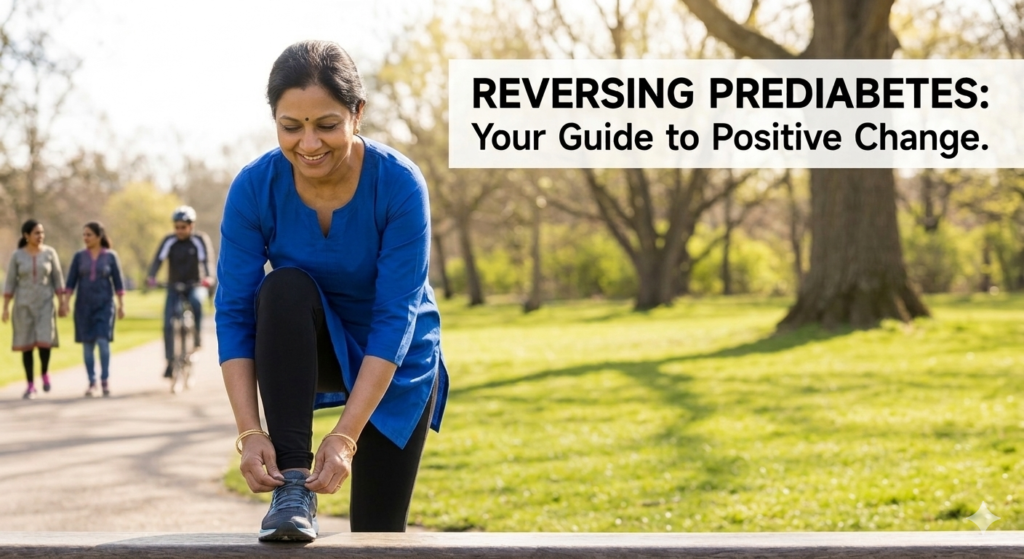
If left unmanaged, prediabetes significantly increases the risk of developing type 2 diabetes, heart disease, and other complications. The good news? Lifestyle changes—including diet and physical activity—can reverse or delay progression.
What Is Intermittent Fasting?
Intermittent fasting is an eating pattern that cycles between periods of eating and fasting. Unlike traditional diets, it focuses more on when you eat rather than what you eat.
Common types include:
- 16:8 method – Fast for 16 hours, eat within an 8-hour window
- 5:2 diet – Eat normally 5 days a week, restrict calories on 2 days
- Alternate-day fasting – Fast every other day
These approaches aim to improve metabolic health by giving the body time to rest from constant food intake.
How Intermittent Fasting Affects Blood Sugar
When you fast, your body undergoes several metabolic changes:
- Blood sugar levels drop
- Insulin levels decrease
- The body shifts from glucose to fat as a fuel source
These changes can improve insulin sensitivity—a key factor in managing prediabetes.
Research shows that intermittent fasting can lead to better glycemic control and reduced fasting blood sugar levels. (ScienceDirect)
Benefits of Intermittent Fasting for Prediabetes
1. Improved Blood Sugar Control
Clinical studies indicate that intermittent fasting can lower fasting blood glucose and HbA1c levels in people with prediabetes. (PubMed)
In one randomized clinical trial, participants following a 5:2 intermittent fasting diet showed significant improvements in:
- Fasting blood sugar
- HbA1c levels
- Body mass index (BMI) (PubMed)
2. Weight Loss and Fat Reduction
Excess body weight is one of the biggest drivers of insulin resistance. Intermittent fasting often leads to reduced calorie intake, which can help with weight loss.
Studies have shown that IF can reduce body weight and fat mass, both of which are critical in reversing prediabetes. (National Institutes of Health (NIH))
3. Lower Risk of Progression to Diabetes
Long-term research suggests that combining intermittent fasting with a low-carbohydrate diet can significantly reduce the risk of developing type 2 diabetes.
In one study, the progression rate to diabetes was 2.1% in the fasting group vs. 6.9% in the control group. (PubMed)
4. Improved Insulin Sensitivity
Intermittent fasting helps the body use insulin more efficiently, which is crucial for people with prediabetes.
Better insulin sensitivity means:
- Lower blood sugar spikes
- Improved energy utilization
- Reduced risk of complications
Potential Risks and Concerns
While intermittent fasting shows promise, it is not risk-free—especially for individuals with metabolic conditions.
1. Risk of Low Blood Sugar (Hypoglycemia)
Fasting can sometimes lead to excessively low blood sugar levels, particularly if:
- You skip meals for too long
- You are on medication affecting glucose
Symptoms may include dizziness, fatigue, and confusion.
2. Unpredictable Blood Sugar Fluctuations
Fasting may cause irregular blood sugar patterns in some individuals. According to health reports, fasting can lead to unpredictable glucose levels, especially in people with metabolic conditions. (Verywell Health)
3. Not Suitable for Everyone
Intermittent fasting may not be safe for:
- Pregnant or breastfeeding women
- Individuals with eating disorders
- People with chronic illnesses without medical supervision
4. Mixed Scientific Evidence
Although many studies show benefits, others suggest that intermittent fasting is not significantly better than traditional calorie-restriction diets. (The Guardian)
This highlights that IF is not a “magic solution,” but rather one of many dietary strategies.
What Do Experts Say?
Most health experts agree on one key point:
Intermittent fasting can be safe and effective for prediabetes—but only when done correctly and under proper guidance.
Medical organizations emphasize:
- Personalization of diet plans
- Monitoring blood sugar levels
- Ensuring nutritional adequacy
Best Practices for Intermittent Fasting with Prediabetes
If you are considering intermittent fasting, follow these guidelines:
1. Start Slowly
Begin with a shorter fasting window (e.g., 12–14 hours) before progressing to longer fasts.
2. Focus on Nutrient-Dense Foods
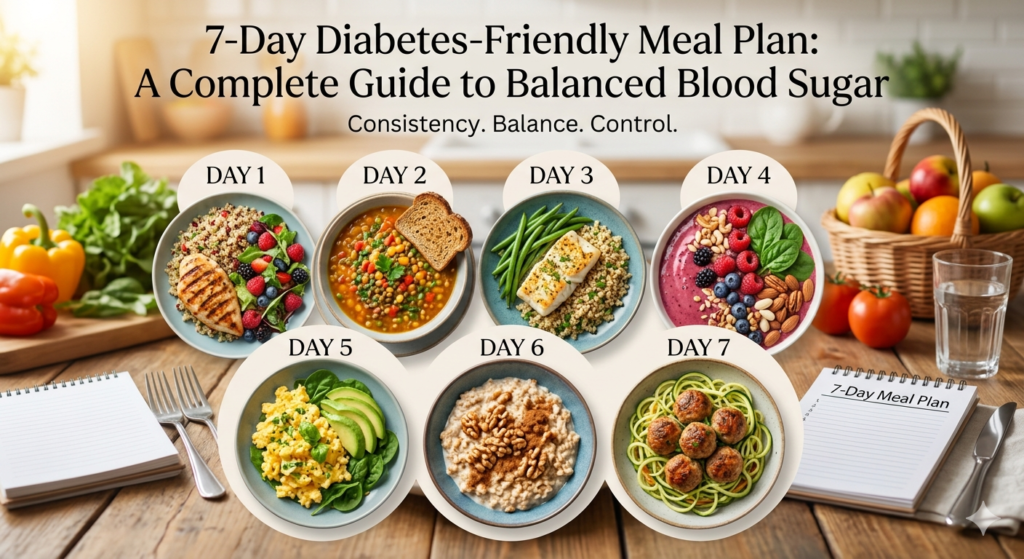
During eating periods, prioritize:
- Whole grains
- Lean proteins
- Healthy fats
- Fiber-rich vegetables
3. Stay Hydrated
Drink plenty of water during fasting periods to prevent dehydration.
4. Monitor Blood Sugar Levels
Track your glucose levels regularly to ensure stability.
5. Avoid Overeating
Fasting is not an excuse to binge during eating windows.
6. Consult a Healthcare Professional
Always seek medical advice before starting intermittent fasting—especially if you have prediabetes.
Real-World Experiences (Community Insights)
Online communities often share anecdotal success stories about intermittent fasting and prediabetes.
For example, one Reddit user reported:
“With a little over a month of IF… my number has come down by 0.3 already.” (Reddit)
Another user claimed to have reversed prediabetes within months through a combination of fasting, walking, and dietary changes. (Reddit)
While inspiring, these stories should be interpreted cautiously, as individual results can vary significantly.
Intermittent Fasting vs Traditional Diets
| Factor | Intermittent Fasting | Traditional Diet |
|---|---|---|
| Focus | Meal timing | Calorie restriction |
| Flexibility | Moderate | High |
| Evidence | Promising but mixed | Well-established |
| Sustainability | Varies by person | Generally easier |
Ultimately, the best diet is one you can maintain long-term.
Who Should Avoid Intermittent Fasting?
Intermittent fasting may not be appropriate if you:
- Have a history of eating disorders
- Experience frequent hypoglycemia
- Take medications affecting blood sugar
- Have complex medical conditions
Final Verdict: Is Intermittent Fasting Safe for Prediabetes?
Yes—with caution.
Intermittent fasting can be a safe and effective strategy for managing prediabetes when:
- It is done under medical supervision
- It includes balanced nutrition
- Blood sugar levels are regularly monitored
Scientific evidence suggests that it may improve blood sugar control, support weight loss, and reduce the risk of progression to diabetes. However, it is not a one-size-fits-all solution, and its long-term effects are still being studied.
Key Takeaways
- Intermittent fasting can improve insulin sensitivity and blood sugar control
- It may reduce the risk of developing type 2 diabetes
- Risks include hypoglycemia and inconsistent glucose levels
- Results vary from person to person
- Medical guidance is essential before starting
Conclusion
Intermittent fasting represents a promising dietary approach for people with prediabetes, but it should be approached thoughtfully. Rather than viewing it as a quick fix, it’s best seen as part of a broader lifestyle strategy that includes healthy eating, physical activity, and regular monitoring.
If you’re considering intermittent fasting, consult your healthcare provider to create a plan tailored to your individual needs.