

Are Online Diabetes Diet Plans Effective? A Complete, Honest Guide
In today’s digital world, managing health has become more accessible than ever. From fitness apps to virtual doctor consultations, everything is just a click away—including diet plans. For people living with diabetes, this convenience can feel like a game-changer. But one important question remains:
Are online diabetes diet plans actually effective?
The short answer is: they can be—but only if you choose the right one and use it correctly.
This article dives deep into how online diabetes diet plans work, their benefits, limitations, and what you should look for before trusting your health to a digital program.
Understanding Diabetes and Diet
Before evaluating online diet plans, it’s essential to understand the role diet plays in diabetes management.
Diabetes—especially Type 2—is closely linked to how your body processes glucose (sugar). Food choices directly impact:
- Blood sugar levels
- Insulin response
- Energy levels
- Weight management
A well-structured diet can:
- Stabilize blood sugar
- Reduce insulin resistance
- Support healthy weight loss
- Prevent complications
That’s why diet planning is not optional—it’s foundational.
What Are Online Diabetes Diet Plans?
Online diabetes diet plans are structured nutrition programs delivered digitally. These can include:
- Personalized meal plans
- Calorie and carb tracking tools
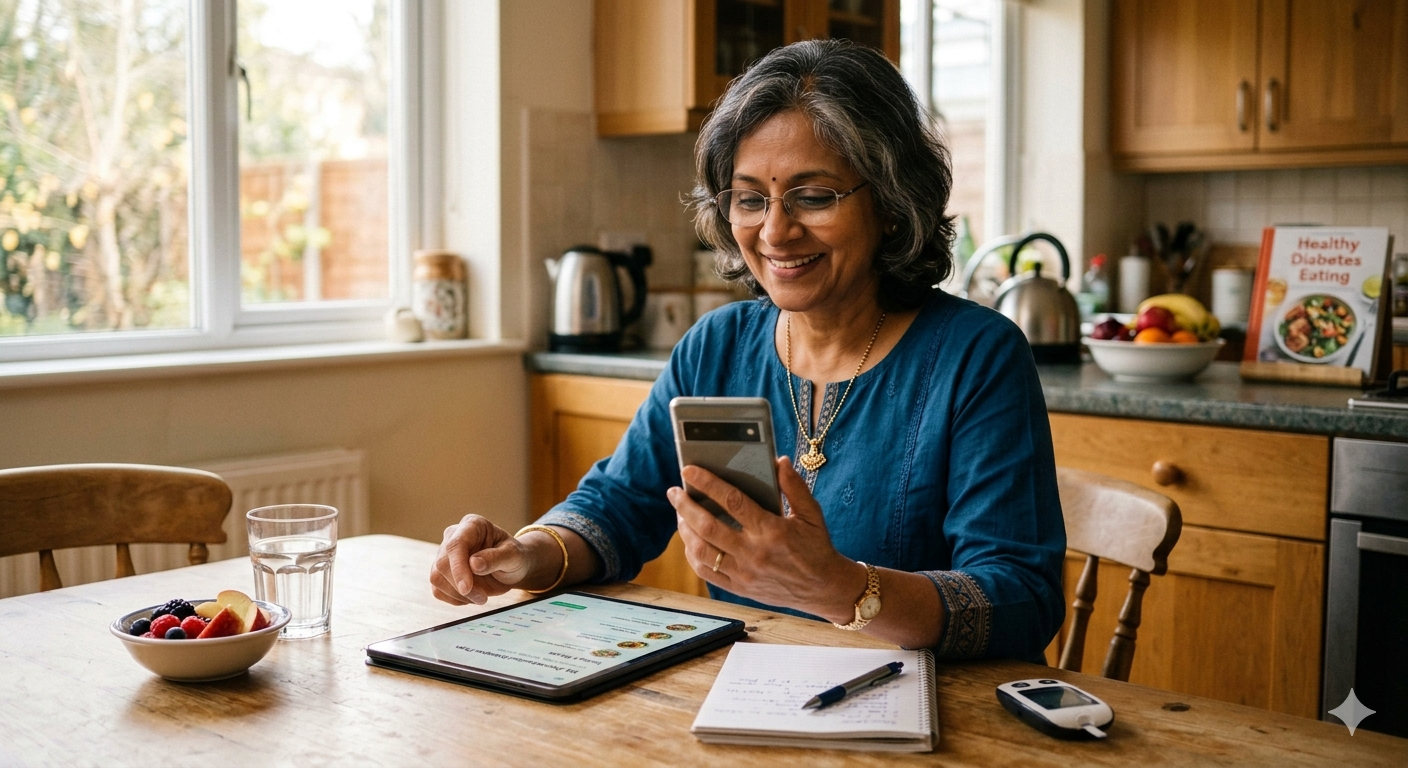
- Mobile apps or web dashboards
- Virtual consultations with dietitians
- Educational content and recipes
Some are fully automated, while others involve real human coaching.
The Rise of Digital Health Programs
The popularity of online diet plans has grown rapidly due to:
- Convenience (access anytime, anywhere)
- Lower cost compared to in-person consultations
- Availability of personalized tools
- Integration with fitness trackers and apps
For someone managing diabetes daily, having guidance in your pocket can be incredibly powerful.
Are Online Diabetes Diet Plans Effective?
Let’s address the core question.
Yes, online diabetes diet plans can be highly effective—but their success depends on three key factors:
- Quality of the program
- Level of personalization
- User consistency and commitment
When these align, online plans can deliver results comparable to traditional, in-person programs.
Benefits of Online Diabetes Diet Plans
1. Convenience and Accessibility
One of the biggest advantages is ease of access.
You don’t need to:
- Travel to clinics
- Wait for appointments
- Adjust your schedule significantly
Everything—from meal plans to consultations—is available on your phone or laptop.
This makes it easier to stay consistent, which is crucial for diabetes management.
2. Personalization at Scale
Modern platforms use data to tailor plans based on:
- Age and weight
- Blood sugar patterns
- Dietary preferences
- Activity levels
Some even adjust recommendations in real-time based on your progress.
This level of customization was once only available through one-on-one coaching.
3. Continuous Monitoring and Feedback
Many online programs allow you to track:
- Blood glucose levels
- Daily food intake
- Physical activity
- Weight changes
This creates a feedback loop where you can:
- Identify what foods spike your sugar
- Adjust meals accordingly
- Make informed decisions
Over time, this builds awareness and control.
4. Cost-Effectiveness
Compared to traditional dietitian visits, online plans are often more affordable.
You may get:
- Monthly subscriptions instead of per-session fees
- Access to multiple resources (recipes, tools, coaching)
- Long-term support at a lower cost
For many people, this makes consistent care more sustainable.
5. Education and Awareness
Good programs don’t just tell you what to eat—they teach you:
- How carbohydrates affect blood sugar
- How to read nutrition labels
- How to manage portion sizes
- How to balance meals
This knowledge empowers you to make better choices even outside the plan.
6. Flexibility for Real Life
Unlike rigid diets, online plans often allow:
- Meal swaps
- Cheat meals (in moderation)
- Cultural and regional food preferences
This flexibility increases the chances of long-term success.
7. Community Support
Some platforms offer:
- Peer groups
- Forums
- Success stories
- Challenges and motivation
Having a support system—even a virtual one—can significantly improve adherence.
Limitations of Online Diabetes Diet Plans
While they offer many benefits, online plans are not perfect.
1. Lack of Hands-On Medical Supervision
Not all programs involve certified professionals.
Without proper medical oversight:
- Diet changes may conflict with medications
- Blood sugar fluctuations may go unnoticed
- Risks of hypoglycemia or hyperglycemia increase
This is especially important for people on insulin.
2. Generic Plans Masquerading as Personalized
Some platforms claim to be “customized” but actually provide:
- Standard templates
- Minimal adjustments
- One-size-fits-all recommendations
These plans often fail because they don’t address individual needs.
3. Over-Reliance on Technology
Apps and tools are helpful—but they can also become overwhelming.
Common issues include:
- Too much data tracking
- Notification fatigue
- Difficulty using the interface
If the platform is not user-friendly, consistency drops.
4. Requires Self-Discipline
Online programs don’t physically monitor you.
Success depends on:
- Logging meals honestly
- Following recommendations
- Staying consistent
Without discipline, even the best plan won’t work.
5. Risk of Misinformation
The internet is full of diet trends and myths.
Some online plans promote:
- Extreme low-carb diets without supervision
- “Miracle” foods or supplements
- Quick-fix solutions
These can be harmful, especially for diabetes.
Who Can Benefit the Most?
Online diabetes diet plans are particularly effective for:
- People with Type 2 diabetes
- Individuals trying to lose weight
- Those with busy schedules
- People comfortable using apps and technology
- Individuals seeking long-term lifestyle changes
Who Should Be Cautious?
Extra care is needed if you:
- Use insulin regularly
- Have Type 1 diabetes
- Have other medical conditions
- Experience frequent blood sugar fluctuations
In such cases, always consult a healthcare professional alongside any online plan.
What to Look for in an Effective Online Diabetes Diet Plan
To ensure effectiveness, choose a program that includes:
✔ Certified Nutrition Experts
- Dietitians or diabetes educators
- Not just automated algorithms
✔ True Personalization
- Based on your medical history
- Adjusted regularly
✔ Blood Sugar Integration
- Tracks glucose levels
- Offers insights based on data
✔ Balanced Nutrition
- Not extreme or restrictive
- Includes carbs, proteins, and fats
✔ Behavior and Lifestyle Support
- Habit-building strategies
- Stress and sleep guidance
✔ Easy-to-Use Interface
- Simple tracking
- Clear instructions
Real-World Effectiveness: What Research Suggests
Studies on digital health interventions have shown that:
- Structured online programs can improve HbA1c levels
- Weight loss is achievable with guided digital plans
- Engagement and consistency are key predictors of success
In simple terms:
The more consistently you follow the plan, the better the results.
Tips to Make an Online Diet Plan Work for You
To maximize effectiveness:
1. Be Consistent
Log your meals, follow the plan, and stay committed.
2. Monitor Your Blood Sugar
Track how your body responds to different foods.
3. Don’t Skip Meals
Irregular eating can destabilize blood sugar levels.
4. Stay Active
Combine diet with regular exercise.
5. Stay in Touch with Your Doctor
Always inform your healthcare provider about dietary changes.
Online vs Offline Diet Plans: Which Is Better?
Both have their pros and cons.
| Factor | Online Plans | Offline Plans |
|---|---|---|
| Convenience | High | Moderate |
| Cost | Lower | Higher |
| Personal Interaction | Limited | High |
| Flexibility | High | Moderate |
| Medical Supervision | Varies | Strong |
Best approach?
A hybrid model—using online tools with periodic medical consultation.
The Future of Diabetes Management
Digital health is evolving rapidly.
Future online diet programs may include:
- AI-driven personalization
- Continuous glucose monitoring integration
- Real-time meal recommendations
- Predictive health insights
This means online diabetes management will only become more effective over time.
Final Verdict
So, are online diabetes diet plans effective?
Yes—but they are not magic.
They work best when:
- The program is high-quality and personalized
- You stay consistent and engaged
- You combine it with medical guidance
Think of it as a tool—not a shortcut.
Conclusion
Managing diabetes is a lifelong journey, and diet plays a central role in it. Online diabetes diet plans offer a modern, flexible, and often effective way to take control of your health.
But success doesn’t come from downloading an app—it comes from daily choices, consistency, and awareness.
Choose wisely, stay committed, and use these tools to build a healthier, more balanced life.
FAQs
1. Can online diet plans reverse diabetes?
They can help manage and, in some cases, significantly improve Type 2 diabetes—but “reversal” depends on multiple factors.
2. Are free online diet plans safe?
Some are helpful, but many lack personalization. Be cautious and verify credibility.
3. How long does it take to see results?
Most people see improvements in 4–12 weeks with consistent effort.
4. Do I still need a doctor if I use an online plan?
Yes. Online plans should complement—not replace—medical care.